
How to Kill Cleat Odor Fast: The Five Quickest Ways to Deodorize Softball Cleats
- The Moisture Trap Softball cleats trap sweat because their durable materials lack airflow.
- Skip the Wash Avoid the washing machine to protect the adhesives and sole plate.
- Dry Fast Newspaper and sunlight are your best friends for removing deep-set moisture.

You know that specific moment when the tournament weekend ends, and you open the trunk of your car? That wall of scent hits you like a physical force. It’s not just "dirty laundry" smell. It’s a concentrated, eye-watering funk that seems to radiate specifically from a pair of softball cleats. If you’re the parent or the player who has to live with that gear, you’ve probably wondered if there’s a way to fix it that doesn't involve burning the car down.
Softball cleats are unique because they’re built to survive dirt, clay, and sweat. But the very materials that make them tough—synthetic leathers and thick foams—also make them a perfect home for odors. Once the smell sets in, it feels permanent. But it isn't. You can save those expensive cleats and your sense of smell at the same time.
Why Do Softball Cleats Smell So Bad Compared to Other Shoes?
Softball cleats smell intensely because the synthetic materials used for durability trap moisture and sweat against the skin, creating a damp environment where odor-causing particles thrive. Unlike mesh running shoes, cleats have minimal airflow, which prevents them from drying out naturally between games.
When you're out on the diamond, your feet are working overtime. The average person has about 250,000 sweat glands on their feet, and during a double-header, those glands are in high gear. In a normal sneaker, some of that moisture can escape through the mesh. But softball cleats are often designed to be water-resistant to handle damp grass. This means the moisture is locked inside.
Think of the inside of a cleat like a tiny, dark, humid basement. When sweat gets trapped in the footbed and the tongue, it starts to break down. This process creates the chemical compounds we recognize as "stink." If you leave them in a gear bag or a hot trunk, you’re basically incubating that smell. And because cleats are often worn with thick socks, the problem only gets worse as the layers of fabric absorb more liquid. This is why a simple "airing out" usually isn't enough once the season is in full swing.
You don't need a chemistry degree to fix this. You just need a bottle of this stuff by the door:
What You'll Need
- Microfibre cloth for mud removal
- Old newspaper for moisture absorption
- Extra Strength Shoe Deodorizer Spray Check Price →
- Cedar shoe inserts for shape and scent
Can You Wash Softball Cleats in the Washing Machine?
You should never put softball cleats in the washing machine because the heat and agitation can warp the sole plate, weaken the adhesives holding the shoe together, and damage the integrity of the studs. Hand-cleaning and targeted deodorizing are the only safe ways to maintain them.
It's tempting to just toss the whole mess into the wash and hope for the best. I've seen parents do it, and I've seen the results: cleats with soles that start to peel off midway through a slide into second base. The high heat of a dryer is even worse; it can actually melt the synthetic components or cause the leather to crack and stiffen.
Instead of the machine, start by taking a microfibre cloth and wiping away the surface mud. This prevents the dirt from grinding into the fabric while you work on the odor. If you're looking for a better way to handle shoes without the risk of a wash cycle, check out this guide on why you should stop washing your shoes and use a more targeted approach instead. It’s a lot cheaper to buy a spray than it is to buy a new pair of New Balances or Nikes every two months.
What Are the Five Quickest Ways to Deodorize Softball Cleats?

The five quickest ways to deodorize softball cleats are using an enzyme-based spray, stuffing them with newspaper to pull out moisture, placing them in direct sunlight, using cedar inserts, and applying a preventative powder.
Here is exactly how to execute these steps so you can actually smell your garage again:
1. Use a High-Power Natural Spray
This is the fastest method. A spray like the Extra Strength Shoe Deodorizer Spray doesn't just cover the smell with a fake "ocean breeze" scent. It uses essential oils like eucalyptus and lemon to tackle the source of the odor. Give each cleat two or three good sprays right after the game. It takes ten seconds and does most of the heavy lifting for you.
2. The Newspaper Stuffing Trick
Moisture is the enemy. To get it out fast, take some old newspaper, crinkle it into tight balls, and shove them into the cleats all the way to the toes. The paper acts like a sponge, pulling the sweat out of the foam padding. If the shoes are soaked from a rainy game, swap the paper out every couple of hours.
3. Sunlight and Airflow
UV rays are nature's best deodorizer. Open the laces as wide as they'll go, pull the tongue out, and set the cleats in a sunny spot. Just don't leave them out in the rain! The fresh air helps move the dampness out, and the sun helps neutralize the funk. Even a couple of hours on the back porch makes a huge difference.
Use a blow dryer on the cool setting for 60 seconds before applying your deodorizer spray. This helps open up the fibers of the footbed so the natural oils can penetrate deeper and work more effectively.
4. Cedar Inserts
If you have cedar inserts or shoe trees, use them. Cedar is naturally absorbent and has its own clean, woody scent. It also helps the cleat keep its shape. Once you've removed the newspaper and the shoes are mostly dry, slide the cedar in to finish the job. It's a classic trick that works just as well for athletic gear as it does for dress shoes.
5. Preventative Powder
The best way to deal with a smell is to never let it start. Using a Natural Foot Powder before the game starts creates a barrier. It absorbs the sweat as it happens, so the cleat stays drier. It’s like putting a raincoat on your feet, but for sweat.
I tested our natural spray against the big-brand aerosols you find at the grocery store. The difference isn't just in the smell—it's in the chemistry. Here is how they actually compare when you're dealing with serious sports funk:
| Feature | Extra Strength Shoe Deodorizer Spray | Generic Aerosol Sprays |
|---|---|---|
| Scent Source | Natural Essential Oils | Synthetic Fragrance |
| Residue | Zero sticky buildup | Powdery white film |
| Chemicals | Plant-based & Safe | Butane & Propane aerosols |
| Effectiveness | Neutralizes source funk | Briefly masks odors |
How Can You Prevent Cleat Odor Before It Starts?

To prevent cleat odor, you should always wear moisture-wicking socks, use a foot powder before every game, and never store cleats inside a closed bag overnight. Consistent maintenance is easier than trying to "cure" a shoe that already smells like a locker room.
Prevention really comes down to habits. We’ve all been there—you get home late from a game, everyone is tired, and the bag stays in the hallway. But that’s when the smell wins. The moment you walk through the door, get those cleats out of the bag. If you can make "powder before, spray after" a habit, you'll never have to deal with the eye-watering trunk smell again.
Another big factor is the socks. Avoid 100% cotton. Cotton is like a sponge; it holds onto sweat and keeps it right against the shoe. Synthetic blends or wool-based athletic socks move that moisture away from the foot, making it easier for your deodorizing tools to do their work. For more tips on keeping specific athletic shoes fresh, you might find this guide on simple deodorizing steps helpful for your everyday sneakers too.
One of our customers, a "Softball Mom" from Texas, told us: "Lumi Outdoors Extra Strength Lemon & Eucalyptus spray is the go-to solution for our family. My daughter’s cleats used to stay in the garage because they were too bad for the house. Now, we spray them after every practice and it’s like they’re brand new."
Is the natural route perfect? Mostly, but it does require consistency. Here's the honest breakdown of what you can expect:
- Instantly refreshes even the worst smelling gear
- Completely natural and safe for kids and pets
- Extends the life of expensive footwear by preventing rot
- Easy to use with a quick spray-and-forget application
- Strong initial scent of eucalyptus and lemon (fades quickly)
- Requires consistent use for the best results in extreme cases
At the end of the day, you've spent good money on your sports gear. It doesn't make sense to let a little sweat ruin it. Whether you're dealing with a teenager's daily practice or your own weekend league, these five steps will keep your shoes in the game longer. Start by getting the moisture out, then hit it with a spray that actually works.
Ready to eliminate softball cleat odor for good?
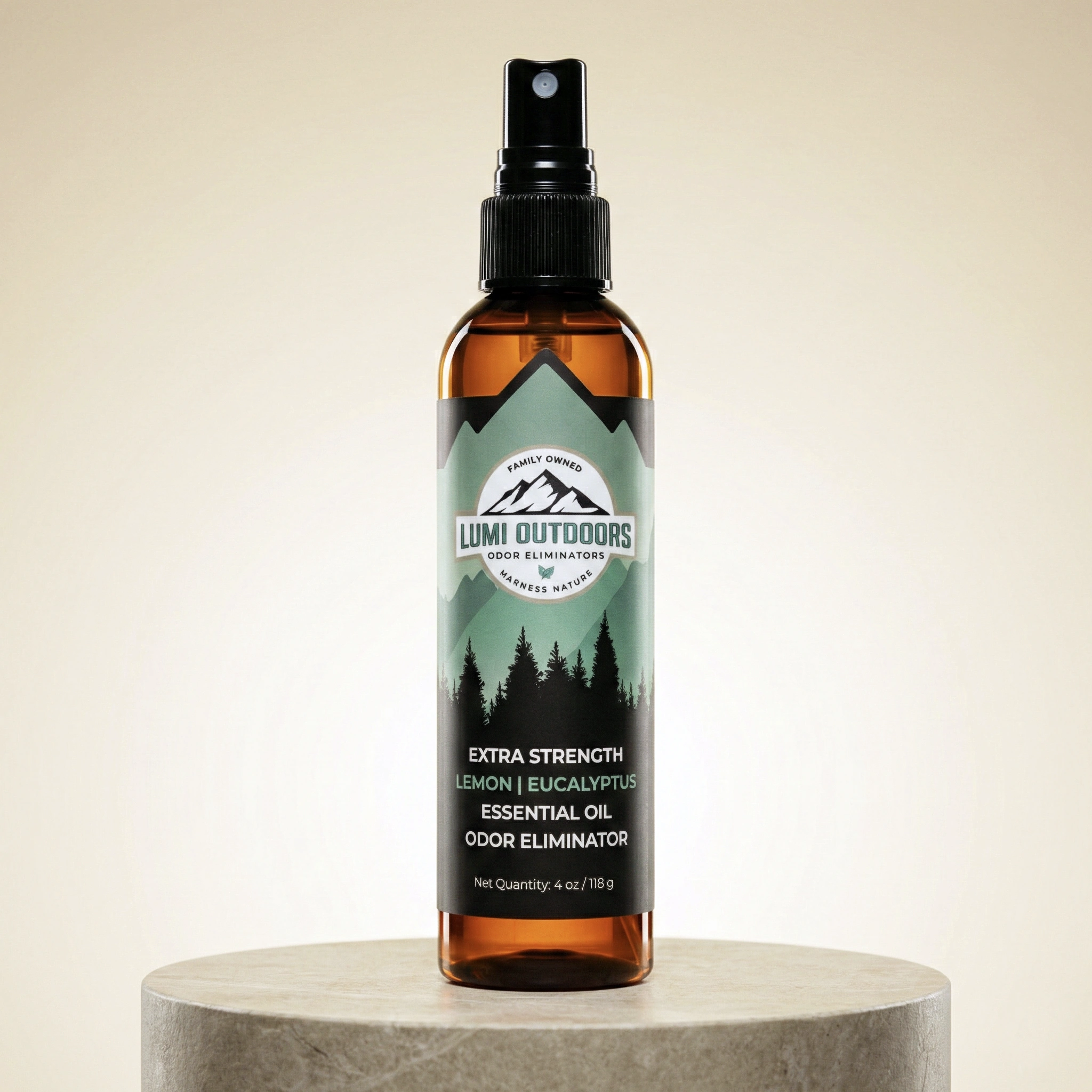
Join 1 Million+ Other People Who Chose Lumi to Conquer Their Shoe Odor.
- DESTROYS ODOR AT THE SOURCE, DOESN'T JUST MASK IT
- ALL-NATURAL & PLANT-BASED INGREDIENTS
- PROUDLY FAMILY-OWNED & MADE IN UTAH
- THE "FRESH CONFIDENCE" GUARANTEE