
Stop 'Teacher Feet'! 3 Talc-Free Powders for 8-Hour Days [2026]
- Moisture Control Powder creates a dry environment that stops odors before they even start.
- Safe Ingredients Modern talc-free formulas use cornstarch and clay for safer, more effective absorption.
- Mess-Free Application Use a shaker or brush to apply powder cleanly without staining professional clothes.

You know that feeling. It's 3:00 PM, the final bell just rang, and you're finally sitting down at your desk to grade a mountain of papers. But as you kick off your shoes, a familiar, unwelcome scent drifts up. It’s "Teacher Feet." We’ve all been there—spending eight hours pacing across a classroom, pulling lunch duty in the sun, and racing to the faculty lounge. By the end of the day, your shoes feel more like a swamp than footwear.
It’s not just about the smell, though. It’s that nagging social anxiety during parent-teacher conferences. You wonder if the person sitting across from you can smell your commute. You worry your favorite leather flats are being ruined from the inside out. And let's be honest, nobody wants to come home and have their partner ask, "What is that smell?" as soon as the boots come off.
The good news? You don't have to live with it. You also don't have to resort to harsh chemicals or powders filled with talc. I've spent years figuring out how to keep a household smelling fresh despite kids in soccer and a spouse who works ten-hour shifts. Here is how you can reclaim your confidence and keep your feet dry from the first bell to the last.
Why Do Teachers Struggle With Persistent Foot Odor?
Teaching involves long hours of standing in closed footwear, which creates a warm, moist environment where odor thrives. Using a talc-free powder helps absorb this sweat before it turns into a smell that carries across the classroom.
Our feet have more sweat glands per inch than almost anywhere else on our bodies. When you're a teacher, you aren't just sitting behind a desk. You’re on the move. That constant friction and movement generate heat. Since most professional shoes—like leather loafers or waterproof boots—don't breathe well, that moisture gets trapped.
When sweat has nowhere to go, it soaks into the lining of your shoes and your socks. This leads to a condition doctors call bromodosis, which is just a fancy way of saying smelly feet. Over time, that moisture can even break down the materials of your expensive shoes, making them wear out much faster than they should. If you want to keep your feet happy, you have to manage the moisture before it starts to settle.
If you want to stop the moisture before it starts, you need a heavy-duty absorber. This is the one we keep by the door:
What You'll Need
- Shaker bottle
- Small makeup brush
- Natural Foot Powder Check Price →
- Moisture-wicking socks
How Can You Apply Foot Powder Without Making a Mess?

The best way is to apply powder directly into your socks or shoes using a dedicated shaker bottle before you leave the house. If you need a midday touch-up, use a small makeup brush to apply powder to specific "hot spots" without getting it on your clothes.
I know the struggle of trying to use powder in a rush. You tilt the bottle, and suddenly there's a white cloud all over your dark trousers. Not a great look for a professional environment. To avoid the "powder explosion," I recommend using a shaker bottle with small holes. This gives you much better control than a wide-open container.
Another trick I've learned is to use a small makeup brush. Keep a clean, fluffy brush in your bag. If you feel your feet getting "swampy" during your lunch break, you can dip the brush in your powder and dabs it right between your toes or on the balls of your feet. It keeps the powder exactly where you want it and off your floor. Finally, always start with moisture-wicking socks. Powder works ten times better when it has a good fabric base to cling to.
Don't just powder your shoes; apply it directly to your socks. Turn your socks inside out, sprinkle the powder, then flip them back. This ensures the powder is trapped against your skin where sweat starts, rather than just sitting at the bottom of your shoe.
Which Talc-Free Powders Actually Work for 8-Hour Shifts?

The top three talc-free options include simple cornstarch-based DIY blends, kaolin clay-heavy boutique powders, and high-performance mineral powders like Lumi Outdoors. These ingredients absorb moisture safely without the health concerns associated with traditional talc.
Not all powders are created equal. For years, talc was the gold standard, but many of us are moving away from it for health reasons. Luckily, nature has some pretty incredible alternatives that actually work better at staying dry all day. Here are the three best paths you can take:
1. The DIY Pantry Mix
If you're in a pinch, you can make a decent powder right in your kitchen. A mix of cornstarch and a little bit of baking soda can do wonders. Cornstarch is incredibly silky and great at absorbing liquid. Just be careful—baking soda can be a bit abrasive for some people with sensitive skin, so don't overdo it. It’s a great "right now" fix, but it can sometimes get cakey if you're a heavy sweater.
2. The Botanical Clay Blend
Some higher-end natural powders use kaolin clay or arrowroot powder. These are fantastic because they stay powdery even when they get damp. They don't turn into that weird "paste" that cheap powders do. They often come with essential oils like lavender or eucalyptus, which help mask the scent while the clay does the heavy lifting of keeping you dry.
3. The Professional Mineral Defense
Then there’s the "easy button." This is where a product like Natural Foot Powder comes in. It uses a specific blend of minerals and plant-based ingredients like lemongrass to create a barrier. It’s designed for people who are on their feet for 8, 10, or 12 hours. Unlike the DIY version, it’s formulated to stay silky and prevent that "gritty" feeling in your shoes by the end of the day. It’s the smart way to handle shoes like Hey Dudes that you might wear without socks.
I tested the DIY route against a professional bottle for a week. The difference isn't just in the smell—it's in the chemistry. Here is how they actually stack up when you're in the trenches of a school day:
| Feature | Natural Foot Powder | Standard DIY Cornstarch Mix |
|---|---|---|
| All-Day Dryness | 8-12 Hours of Protection | 3-4 Hours (clumps when wet) |
| Ease of Use | Convenient Shaker Bottle | Messy kitchen container |
| Odor Neutralization | Active Mineral & Lemongrass Blend | Basic odor masking |
| Skin Feel | Silky & Non-Gritty | Can feel chalky or pasty |
I’ve heard from so many other teachers who were embarrassed to take their shoes off at the gym or at home. One customer, Sarah, told us: "Lumi Outdoors makes the best products! I've tried many and keep coming back. As a teacher, this is a lifesaver for my sneakers." It's stories like that that remind me why switching to a natural, high-performance powder is worth it. You’re not just buying a product; you’re buying peace of mind.
Is the natural route perfect? Mostly, but it does require a bit of consistency. You can't just apply it once a month and expect miracles. Here is the honest breakdown of what to expect:
- Stops odor before it starts by controlling sweat
- Extends the life of expensive teaching shoes
- Talc-free and safe for daily use on sensitive skin
- Pleasant, light scent that isn't overpowering
- Requires daily application for best results
- Can be messy if you don't use a shaker bottle
At the end of the day, you have enough to worry about without wondering if your feet are clearing the room. Taking thirty seconds in the morning to apply a high-quality, talc-free powder can change the entire "vibe" of your workday. Your feet will stay dry, your shoes will last longer, and you can finally focus on what matters—your students.
Ready to ditch the "Teacher Feet" for good? Grab a bottle of Natural Foot Powder and see the difference by next Friday. Your nose (and your family) will thank you.
Ready to eliminate teacher feet for good?
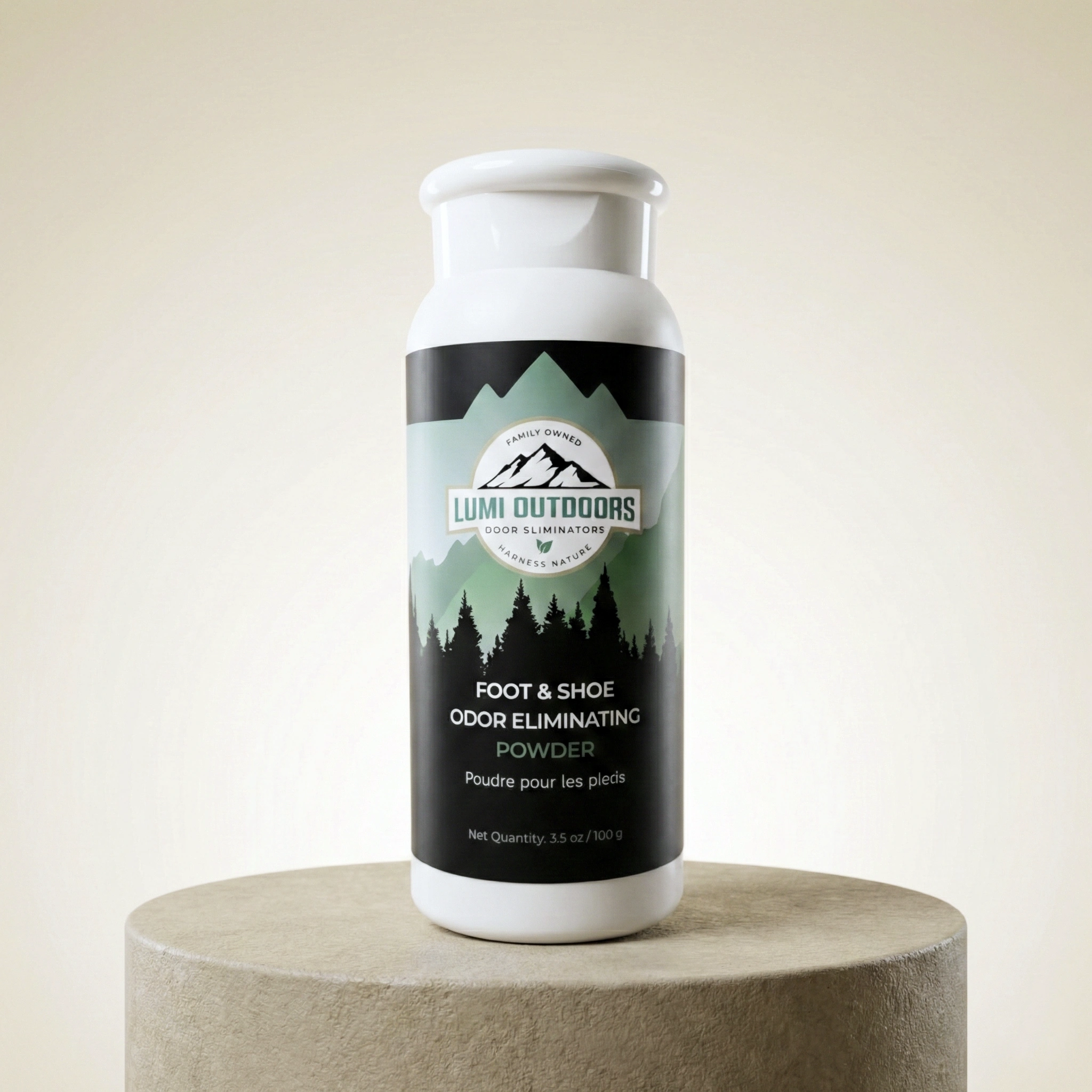
The best way to fight odor is to stop it before it starts. Our all-natural, talc-free foot powder is your first line of defense against mois...
- ABSORBS SWEAT & NEUTRALIZES ODOR
- ALL-NATURAL & TALC-FREE FORMULA
- PROUDLY FAMILY-OWNED & MADE IN UTAH
- THE "FRESH CONFIDENCE" GUARANTEE