

Why Do Water Shoes Stink? (And How to Keep Them Fresh)
- The Root Cause Trapped organic matter and sweat in neoprene create the perfect environment for odors.
- Proper Care Rinsing with fresh water and air drying away from heat are essential first steps.
- Natural Solutions Natural essential oils like Eucalyptus effectively neutralize odors without harsh chemicals.

You know that specific, nose-crinkling smell. You just spent a glorious Saturday at the lake or the creek with the kids. Everyone had a blast, the sun was out, and the water was perfect. But then Monday morning rolls around. You open the trunk of the car or walk into the mudroom, and it hits you. A thick, swampy, sour stench that seems to have its own zip code.
Your expensive water shoes—the ones you bought specifically for these adventures—now smell like they’ve been fermenting in a damp basement for a decade. It’s frustrating. You want to be the "prepared parent" who has all the gear ready for the next outing, but right now, you’re considering tossing those shoes directly into the trash. Don't do that just yet. We've all been there, standing over a pair of soggy Keens or Nikes, wondering how something designed for water can end up smelling so... un-fresh.
The Science of the "Swamp Foot" Smell
Water shoes are a bit of a paradox. They’re built to get wet, but they aren't always great at getting dry. Most are made from synthetic materials like neoprene or mesh. While these fabrics are durable and quick-drying in theory, they have thousands of tiny nooks and crannies. When you’re wading through a river or walking along a beach, you aren't just picking up water. You're picking up organic matter—bits of algae, microscopic lake life, and skin cells.
Once you step out of the water, your feet start to sweat. That sweat, combined with the lake "gunk" and the warm, dark environment inside the shoe, creates a perfect party for odor. It's not the water itself that stinks; it's what happens when that moisture gets trapped and starts breaking down those organic bits. If you throw them in a gym bag or a dark closet while they’re still damp, you’re basically building an incubator for funk.
For parents of active kids, this is a double whammy. Kids’ feet sweat significantly more than adults' do, and they aren't exactly known for carefully air-drying their gear after a day at the park. You're left dealing with the aftermath: a mudroom that smells like a wet dog and a pair of shoes that feel "slimy" even when they're dry. It's embarrassing when guests come over, and it's a waste of money if you have to replace footwear every single season.
If you're tired of holding your breath every time you open the gear closet, there's a better way to handle the heavy-duty odors.
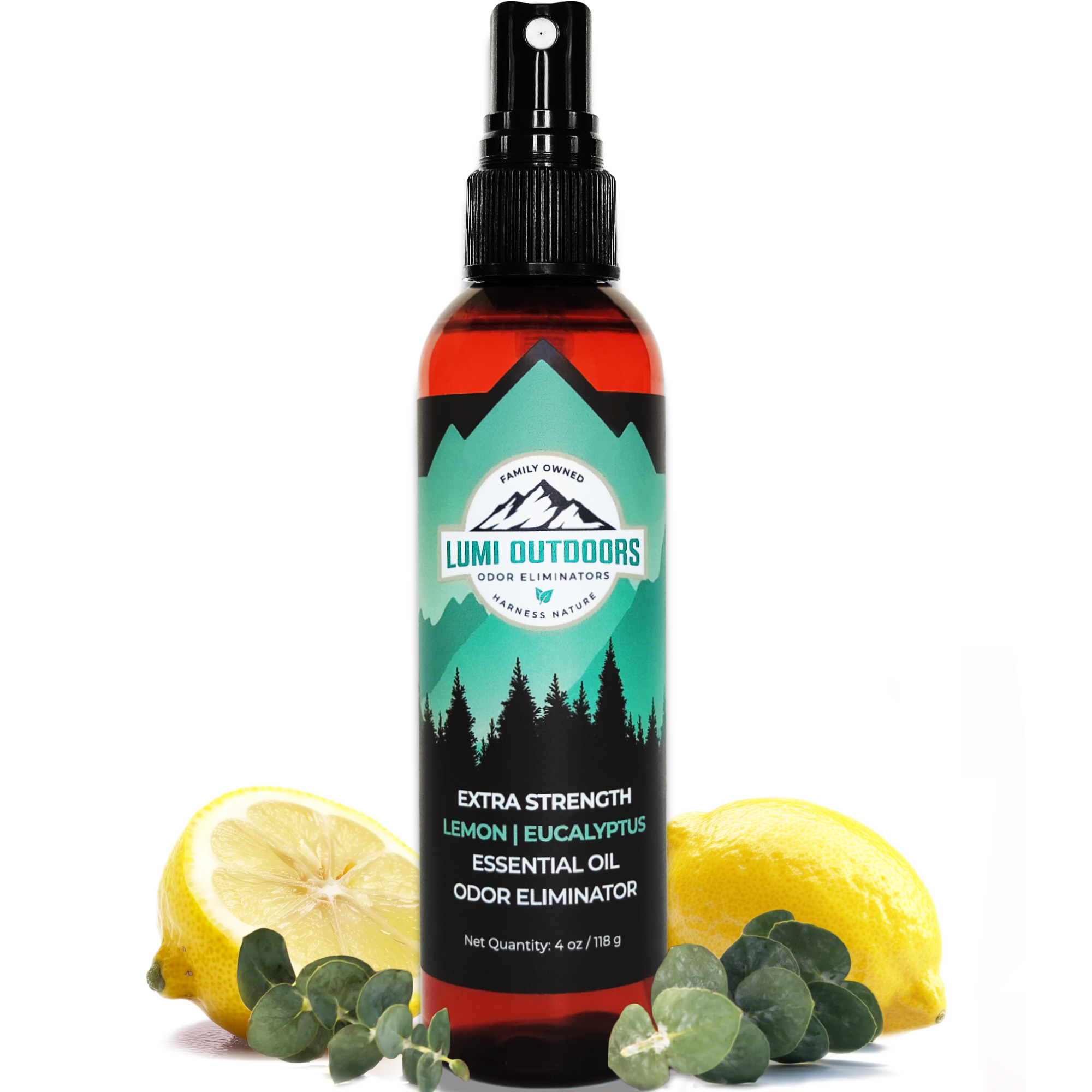
Natural Extra Strength Lemon Eucalyptus Shoe Deodorizer Spray
Our strongest formula designed to tackle the toughest, swampiest odors. Perfect for water shoes, athletic gear, and the whole family's footwear.
- DESTROYS ODOR AT THE SOURCE, DOESN'T JUST MASK IT
- ALL-NATURAL & PLANT-BASED INGREDIENTS
- PROUDLY FAMILY-OWNED & MADE IN UTAH
- THE "FRESH CONFIDENCE" GUARANTEE
$13.95
Shop Now →Why Your Water Shoes Are Odor Magnets

Standard sneakers have socks to absorb some of that moisture. Water shoes? You usually wear those barefoot. That means every drop of sweat and every dead skin cell goes directly into the footbed. Over time, these layers build up. Even if the outside of the shoe looks clean, the "innards" are holding onto a history of every puddle and pond you’ve visited this summer.
The material matters too. Neoprene—the stuff wetsuits are made of—is notorious for holding onto smells. It's a closed-cell foam, meaning it's great at insulating, but it's also great at trapping oils from your skin. If you don't strip those oils away, they go rancid. That’s where that sharp, sour smell comes from. It isn't just "dirt"; it's a chemical reaction happening right under your toes.
Think about the last time you left your water shoes in the car on a hot day. The heat accelerates the breakdown process. By the time you remember to bring them inside, the odor has already settled deep into the fibers. You might try to wash them with regular detergent, but often, that just masks the smell for an hour or two before the swamp returns with a vengeance. You need something that actually neutralizes the source, not just covers it up with "ocean breeze" chemicals.
We’ve found that a systematic approach works best, especially for families who are in and out of the water all week. Here's how we compare to the standard methods people try.
| Feature | Lumi Outdoors Sprays | Generic Grocery Sprays |
|---|---|---|
| Ingredient Base | Pure Essential Oils | Synthetic Fragrances & Alcohol |
| Effectiveness | Neutralizes Organic Odors | Masks Smells Temporarily |
| Scent Experience | Fresh Lemon & Eucalyptus | Artificial 'Chemical' Floral |
How to Deep Clean Stinky Water Shoes
If the smell is already at a "code red" level, a quick spray won't be enough. You need to perform a deep clean. First, rinse them thoroughly with fresh water immediately after use. This gets rid of the salt, sand, and lake muck before it has a chance to dry and harden. If you've been in salt water, this step is non-negotiable—salt is incredibly hard on shoe materials.
Next, use a gentle, natural soap and a soft brush to scrub the footbed. Pay special attention to the toe area, as that's where most of the organic buildup happens. Avoid the temptation to use bleach. It can break down the adhesives that hold your shoes together, and it's not something you want soaking into your skin next time you get wet.
For more tips on handling different types of footwear, you might find our guide on how to clean stinky shoes with 3 natural fixes helpful. Once they're clean, the most important step is drying. Never toss them in the dryer! The high heat can warp the soles. Instead, find a spot with good airflow but out of direct sunlight, which can make the materials brittle. Stuffing them with newspaper for the first hour can help pull moisture out of the tight spots.
Preventing the Funk Before It Starts

The best way to deal with water shoe odor is to never let it start in the first place. This is where most of us fail. We get home tired, the kids are cranky, and the gear stays in the bag. If you can make "the spray" part of your post-adventure routine, you'll save yourself hours of scrubbing later.
As soon as the shoes are off, give them a quick blast with a natural deodorizer. Something like the Natural Citrus Tea Tree Shoe Deodorizer Spray is perfect for this. The tea tree and citrus oils go to work on the odors immediately, so they don't have a chance to settle in while the shoe dries. It's a five-second habit that makes a world of difference.
Another pro tip: rotate your shoes. If you're on a week-long camping trip, try not to wear the same pair two days in a row. Giving them a full 24 hours to dry out completely is the "secret sauce" for keeping them fresh. If your feet are naturally sweaty, you might also want to look into foot powders for kids' shoes to help keep things dry before the shoes even go on.
"I used this on my son's water shoes that usually smell like a stagnant pond. After one wash and a few sprays of the Lumi Lemon Eucalyptus, they actually smell like nothing. Not even a hint of the old smell. It's a lifesaver for our mudroom!"
— Sarah M., Verified Buyer
Natural Fixes vs. Harsh Chemicals
A lot of people reach for those blue aerosol cans at the grocery store. They might work for a minute, but they're often packed with synthetic fragrances and propellants that can irritate sensitive skin—especially when your feet are wet and your pores are open. Since water shoes are often worn by kids, many parents prefer a plant-based spray without harsh chemicals.
Natural oils like lemon eucalyptus, peppermint, and tea tree don't just smell better; they are incredibly effective at neutralizing the organic compounds that cause odor. They don't just sit on top of the smell—they help break it down. Plus, you don't have to worry about "chemical runoff" next time you step into a pristine mountain stream. It’s better for your family and better for the places you love to explore.
Before you make your final choice on how to save your summer gear, let's look at the bottom line.
- Incredible at neutralizing organic odors.
- Uses high-quality, plant-based ingredients.
- Works on all types of footwear beyond just water shoes.
- Natural oils require a few hours to fully dry and set.
- Not available in travel-sized bottles yet.
Keeping your water shoes from smelling doesn't have to be a full-time job. It's about understanding that moisture is the enemy and organic "gunk" is the fuel. By rinsing them off, letting them dry properly, and using a high-quality natural deodorizer, you can keep your mudroom smelling like a home instead of a swamp. Grab a bottle of Natural Extra Strength Lemon Eucalyptus Shoe Deodorizer Spray and get back to enjoying the water without the worry. Your nose (and your passengers in the car) will thank you.
Tired of shoe odor? Buy Now.
Join 1 Million+ Other People Who Chose Lumi to Conquer Their Shoe Odor.
- DESTROYS ODOR AT THE SOURCE, DOESN'T JUST MASK IT
- ALL-NATURAL & PLANT-BASED INGREDIENTS
- PROUDLY FAMILY-OWNED & MADE IN UTAH
- THE "FRESH CONFIDENCE" GUARANTEE
Frequently Asked Questions
Can I put my water shoes in the washing machine?
How often should I deodorize my water shoes?
Why do my shoes still smell after washing them?