
Smelly Climbing Shoes: 7 Natural Tricks to Kill the Funk
- Skip the Heat Washing machines and high heat will melt the glue and ruin the performance of your climbing rubber.
- Air it Out Trapped moisture is the primary cause of odor, so airing your shoes out after every session is non-negotiable.
- Natural Neutralizers Natural essential oils like tea tree and eucalyptus neutralize smells without the need for harsh chemicals.

Climbing shoes are built for performance, not for comfort—and certainly not for breathability. You've been there. You finish a grueling session, pull your feet out of those tight rubber slippers, and a wave of something truly foul hits your nose. It's that sour, sharp, gym-bag-at-the-bottom-of-the-closet smell. We call it "the funk." While some climbers wear that stench like a badge of honor, your partner, your roommates, and your own nostrils probably beg to differ.
The problem is that climbing shoes are the perfect petri dish. They're tight, they're made of non-porous rubber and synthetic (or leather) uppers, and they spend hours soaking in your sweat. Unlike your running shoes, you can't just toss these in the wash. Heat and agitation are the enemies of high-performance rubber and the specialized glue that holds your aggressive downturn in place. If you've been wondering how to clean rock climbing shoes without melting them into expensive scraps of rubber, you're in the right place.
Ignoring the smell only makes it worse. Over time, the salts and oils from your skin can actually break down the materials of your shoes, shortening their lifespan and making them feel "slimy" on the inside. Nobody wants to lose their footing on a tiny chip because their foot is sliding around inside a swampy shoe. It's time to take control of the situation before your shoes become a biohazard.
For those ready to solve this problem with a professional-grade solution that won't damage your gear, we recommend a targeted approach.
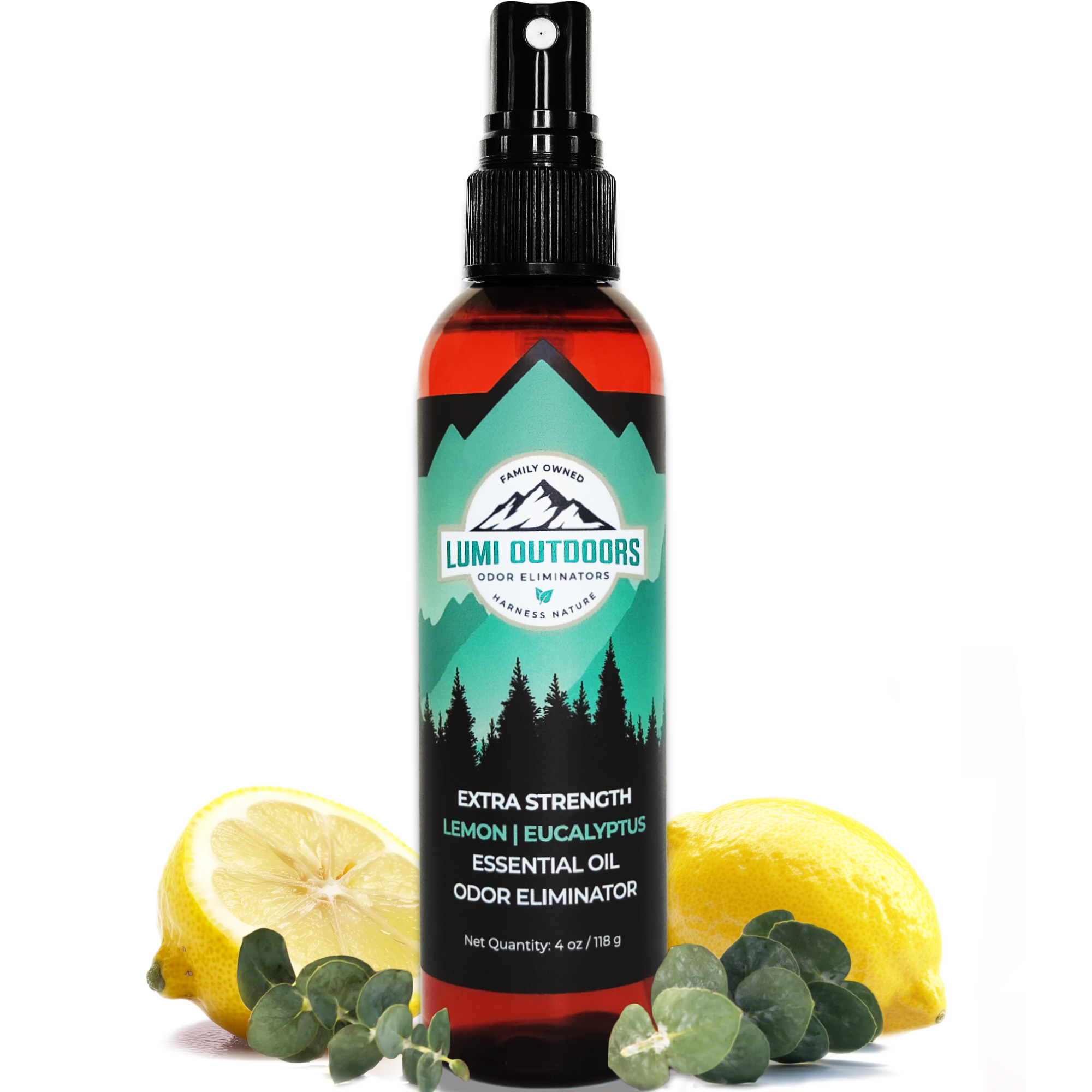
Natural Extra Strength Lemon Eucalyptus Shoe Deodorizer Spray
Stop the 'funk' in its tracks with our most powerful formula. Designed for the toughest athletic odors, this lemon and eucalyptus blend works overnight to refresh your climbing shoes without damaging ...
- DESTROYS ODOR AT THE SOURCE, DOESN'T JUST MASK IT
- ALL-NATURAL & PLANT-BASED INGREDIENTS
- PROUDLY FAMILY-OWNED & MADE IN UTAH
- THE "FRESH CONFIDENCE" GUARANTEE
$13.95
Shop Now →1. The Golden Rule: Let Them Breathe
The worst thing you can do for your shoes is to finish your climb, zip them into your chalk-covered bag, and leave them in the trunk of your car. You're essentially creating a sauna for the smell to grow. As soon as you finish your session, take your shoes out. Clip them to the outside of your pack with a carabiner. The airflow helps dry out the moisture that the odor-causing particles need to survive.
Once you get home, don't just leave them in the hallway. Put them in a cool, dry place with plenty of circulation. Avoid direct sunlight—UV rays can make the rubber brittle and fade the uppers. If you're serious about maintenance, check out these quick fresh fixes for overnight deodorizing.
2. The Soft Brush and Cold Water Scrub
Sometimes the smell is coming from a layer of dead skin and old sweat caked onto the footbed. You don't need fancy detergents. Grab an old toothbrush and some cold water. Lightly scrub the inside of the shoe to loosen the grime.
If they're really bad, you can use a tiny drop of mild, plant-based soap. Wipe them out with a damp cloth afterward. Crucially, never submerge them entirely unless they are specifically labeled as machine washable (which most high-end shoes are not). Damp, not soaked, is the goal. This protects the glue that keeps your toe box intact.
3. Use a Natural Deodorizing Spray
Traditional "freshness" sprays are often just heavy perfumes that try to mask the smell. They mix with the funk to create a weird, floral-trash aroma that's arguably worse than the original scent. Instead, look for sprays that use essential oils like eucalyptus, lemon, or lavender. These oils work to neutralize the odor at its source rather than just hiding it.
We recommend the Natural Citrus Tea Tree Shoe Deodorizer Spray for its bright, clean scent. It's powerful enough for the toughest gym shoes but gentle enough for delicate climbing rubber. Just a couple of spritzes after a session can prevent the smell from becoming permanent.
Let's see how this stacks up against the competition.
| Feature | Lumi Outdoors Natural Sprays | Standard Grocery Store Sprays |
|---|---|---|
| Main Ingredients | Essential Oils & Plant-based extracts | Synthetic perfumes & harsh chemicals |
| Rubber Safety | Safe for sensitive climbing rubber | May contain solvents that degrade glue |
| Scent Profile | Bright, natural citrus/eucalyptus | Strong, overwhelming chemical smell |
| Odor Action | Neutralizes at the source | Masks odor temporarily |
4. Moisture Control with Natural Powders
If you're a heavy sweater, a spray might not be enough on its own. You need to stop the moisture before it settles into the fabric. A talc-free powder can be a lifesaver. Look for something that uses cornstarch or baking soda as a base.
Dust a little Natural Foot Powder into your shoes before you put them on, or right after you take them off. It absorbs the sweat immediately. This keeps the interior of the shoe dry, which is the most important factor in stopping "the funk" from taking hold. For more tips on keeping things dry, especially if you also wear heavy boots for work, see our guide on how to keep feet dry in work boots.
5. The Freezer Trick (With a Warning)
You might have heard that putting your shoes in the freezer kills the odor. It's a classic climber myth. While the cold can temporarily neutralize the smell, it doesn't actually remove the sweat and oils that cause it. Once the shoes warm back up, the smell usually returns.
More importantly, extreme cold can make the rubber on your shoes contract and potentially crack. If you have expensive Vibram rubber on your soles, don't risk it. Stick to methods that actually clean or neutralize the interior environment of the shoe.
6. Charcoal Inserts or Chalk Bags
Activated charcoal is like a magnet for bad smells. You can buy small charcoal bags that slide right into your shoes when you aren't wearing them. They work silently to pull moisture and odor out of the material.
If you're in a pinch, even some clean climbing chalk can help absorb excess moisture. Just remember to shake it out thoroughly before you climb again. You don't want your feet sliding around on a layer of loose powder when you're trying to stick a heel hook.
7. Clean Feet, Clean Shoes
It sounds obvious, but the best way to keep your shoes fresh is to start with clean feet. Wash your feet before you head to the gym. If you're coming straight from work, keep some body wipes in your gym bag. Removing the initial layer of oils and old sweat prevents them from ever entering your shoes.
Some climbers swear by thin socks. While "true" climbers might scoff at the loss of sensitivity, modern thin socks are designed to give you a great feel while acting as a barrier for sweat. If your shoes are already prone to smelling, this might be the single best habit you can adopt. We've actually written an entire piece on how to stop shoes smelling without socks if you prefer the barefoot feel.
Let's weigh the pros and cons of these cleaning methods.
- Uses natural oils to neutralize smells effectively.
- Safe for expensive climbing rubber.
- Cost-effective way to extend the life of your footwear.
- Plant-based formula with no harsh chemicals.
- Requires consistency to keep the smell from returning.
- Not a substitute for physically removing dirt/grime.
Keeping your climbing shoes fresh isn't just about social etiquette; it's about protecting your investment. High-performance shoes aren't cheap, and a little bit of natural maintenance goes a long way. Start by never leaving them in your bag, use a natural spray like the Lumi Outdoors Shoe Deodorizer Spray (3-Pack) to keep a bottle in every bag, and keep those feet dry. Your nose—and your climbing partners—will thank you.
Tired of shoe odor? Buy Now.
Join 1 Million+ Other People Who Chose Lumi to Conquer Their Shoe Odor.
- DESTROYS ODOR AT THE SOURCE, DOESN'T JUST MASK IT
- ALL-NATURAL & PLANT-BASED INGREDIENTS
- PROUDLY FAMILY-OWNED & MADE IN UTAH
- THE "FRESH CONFIDENCE" GUARANTEE