
Baking Soda Fails: 10 Better Ways to Get Smelly Feet No More and Fresh Shoes
- Moisture is the Enemy Newspaper and cedar are superior to baking soda for pulling moisture out of shoe fibers.
- Rotate for Success Always give footwear a 24-hour break between uses to allow deep foam layers to dry.
- Natural Wins Essential oils like tea tree and eucalyptus provide a lasting freshness that synthetic sprays can't match.

You know that feeling. You open the front door after a long day, and before you even see your kids or your partner, you smell them. Specifically, you smell their shoes. It’s that heavy, sour, "I’ve-been-running-all-day" scent that seems to cling to the walls. If you’ve ever tried to hide a pair of cleats in the garage just so you could eat dinner in peace, you aren’t alone.
Most of us reach for the baking soda first. It’s cheap, it’s in the pantry, and your grandma probably swore by it. But let’s be honest: half the time, it just turns into a gritty paste inside the shoe, and the smell comes roaring back the second those feet get warm again. We need better solutions that actually work for active families.
Why Is My Baking Soda Not Working for Shoe Odor?
Baking soda fails because it only targets acidic odors and does nothing to manage the moisture where odor-causing particles live. While it can neutralize some scents, it often clumps together, creating a messy residue that traps sweat against the shoe material instead of removing it.
Baking soda is a base, so it’s great at neutralizing acids. That works for a fridge, but shoe odor is more complex. It's a mix of sweat, dead skin cells, and the stuff that grows in dark, damp places. When you sprinkle powder into a damp shoe, it absorbs some liquid but then just sits there. It doesn't "kill" the source; it just masks it under a layer of white dust.
Plus, if you have leather boots or high-end sneakers, that grit can actually act like sandpaper on the insides. You might be trying to save money by deodorizing, but you could be wearing down the liners of your expensive gear faster. If you want to stop the moisture before it starts, you need a heavy-duty absorber. You don't need a chemistry degree to fix this. You just need a spray that actually works on the worst smells.
What You'll Need
- Old Newspaper
- Soft-Bristled Brush
- Extra Strength Shoe Deodorizer Spray Check Price →
- Merino Wool Socks
Can Newspaper and Cedar Really Absorb Odor?

Using newspaper and cedar is highly effective because these materials naturally wick moisture away from shoe liners, preventing the damp environment that odors require. Cedar also contains natural oils that provide a fresh scent without using synthetic chemicals.
If you have a pair of work boots that are soaked through, don't just leave them by the heater. Grab some old newspaper. Crumple it up tightly and stuff it all the way to the toes. The paper pulls the moisture out of the fabric or leather. This is a classic trick for a reason—it works. Change the paper every few hours if the boots are really wet.
Cedar shoe trees are the "grown-up" version of this. They aren't just for fancy dress shoes. Putting cedar in your sneakers helps them keep their shape and pulls out the day's sweat. It’s a simple habit that can double the life of your footwear. If you’ve ever wondered how to keep your work boots from rotting from the inside out, this is your answer.
Why Is Rotating Your Shoes So Important?
Rotating your shoes is essential because most footwear requires at least 24 hours to fully dry out after a day of wear. Wearing the same pair two days in a row traps moisture in the foam and fabric, leading to permanent odor buildup.
I know, we all have that one pair of shoes we love. But wearing them every single day is a recipe for disaster. Think of your shoes like a sponge. Even if they don't feel wet, they’ve absorbed a lot of sweat. If you put them back on 12 hours later, that moisture never had a chance to evaporate.
By rotating between two pairs, you give the materials time to breathe. This is especially true for shoes with thick foam, like running shoes. If you want to stop washing your Brooks Ghost and ruining the cushion, just give them a day off. It’s cheaper to buy two pairs of shoes that last two years than one pair that starts stinking in three months.
If your shoes have reached a level of 'perma-stink,' try removing the factory insoles and replacing them with high-quality aftermarket ones. Odor often lives deepest in the insole foam, and a fresh set can make an old pair of shoes feel—and smell—brand new instantly.
What Are the Best Natural Sprays for Tough Smells?
The best natural sprays use essential oils like lemon, eucalyptus, and tea tree to break down odor-causing compounds at the source. These plant-based formulas are safer for skin contact and provide a stronger, longer-lasting freshness than typical grocery store aerosols.
Most big-brand sprays you find at the store are basically just perfume in a can. They hit you with a blast of "Fresh Linen" scent that fades in ten minutes, leaving you with a smell that’s somehow worse than before. Natural sprays work differently. Ingredients like lemongrass and peppermint actually tackle the "funk" rather than just hiding it.
I tested our natural spray against the big-brand aerosols. The difference isn't just in the smell—it's in the chemistry. The natural oils stay active in the shoe fiber longer, keeping things fresh for days, not hours. For the really tough cases—like teenage boy sneakers—the Extra Strength Shoe Deodorizer Spray is the heavy hitter you need.
| Feature | Lumi Natural Sprays | Standard Aerosol Sprays |
|---|---|---|
| Ingredient Base | Essential Oils & Plants | Alcohol & Synthetic Fragrance |
| Odor Neutralization | Targets source molecules | Masks with heavy perfume |
| Skin Safety | Gentle, plant-based formula | Can cause irritation |
| Residue | Clean, zero-residue finish | Often leaves sticky film |
How Can I Stop Foot Sweat Before It Starts?
Applying a talc-free foot powder before putting on shoes creates a dry barrier that absorbs sweat the moment it’s produced. This proactive approach prevents the dampness that leads to chronic odor, keeping both your skin and your shoes dry.
We usually focus on the shoes, but the shoes aren't the problem—the feet are. Some of us just sweat more than others. In the medical world, they call it bromodosis, but we just call it "stinky feet." The key is to stop the sweat from ever soaking into the shoe lining.
A good Natural Foot Powder used in the morning acts like a shield. It keeps your feet feeling silky and, more importantly, keeps that moisture from feeding the odor. It's a 10-second habit that saves you from the embarrassment of taking your shoes off at a friend's house.
Do Certain Socks Help Keep Feet Fresher?
Socks made from Merino wool or moisture-wicking synthetic blends are superior to cotton because they pull sweat away from the skin and allow it to evaporate. Cotton stays wet once it get damp, which keeps your feet in a "puddle" all day.
If you're still wearing those thick 100% cotton socks from the big-box store, that's part of the problem. Cotton is incredibly absorbent, but it doesn't let go of the water. Once your feet sweat, those socks stay damp all day. It’s like wearing a wet towel inside your shoe.
Switch to Merino wool socks. People think wool is only for winter, but thin Merino wool is actually amazing in the summer. It naturally manages moisture and doesn't hold onto smells the way cotton or polyester does. It's a small investment that makes a massive difference in how your shoes smell at the end of the day.
Is Washing Your Shoes in the Machine a Good Idea?

Machine washing is generally discouraged because the heat and agitation can break down the adhesives and technical foams in modern footwear. Hand washing the exterior with a soft-bristled brush and focusing on the insoles is a much safer way to clean shoes.
I know it's tempting to just toss the muddy sneakers in the wash. But the "clunk-clunk-clunk" of the machine is the sound of your shoes dying. High heat can melt the glue holding your soles on, and the water can soak into the deep layers of foam, where it might never fully dry—creating a permanent mildew smell.
Instead, take a soft-bristled brush and some mild soap to the outside. If the inside is truly gross, remove the insoles and wash those separately in the sink. Most of the odor lives in the insole anyway. Once they're clean, let them air dry in a well-ventilated spot, but keep them out of direct, blazing sunlight which can crack the materials.
"I was about to throw away my husband's work boots. They were that bad. I tried the Extra Strength spray as a last resort and I actually can't believe it worked. The house doesn't smell like a locker room anymore!" — Sarah M., Verified Buyer
Is the natural route perfect? Mostly, but it does require a little consistency. You can't just spray once and expect a year of freshness if you're running marathons every day. Here's the honest breakdown:
- Completely safe for kids, pets, and sensitive skin
- Actually addresses the source of the odor instead of masking it
- Extends the life of expensive athletic and work footwear
- High-concentration formula means a little goes a long way
- Requires consistent application for the best long-term results
- Natural scents are strong initially (though they fade to a clean neutral)
At the end of the day, you don't have to choose between a stinky home and a house full of harsh chemicals. By managing moisture with things like newspaper and wool socks, and using high-quality natural sprays like those from Lumi Outdoors, you can keep your family’s gear fresh and your budget intact. No more hiding shoes in the garage—just clean, fresh air.
Ready to reclaim your mudroom from the stink?
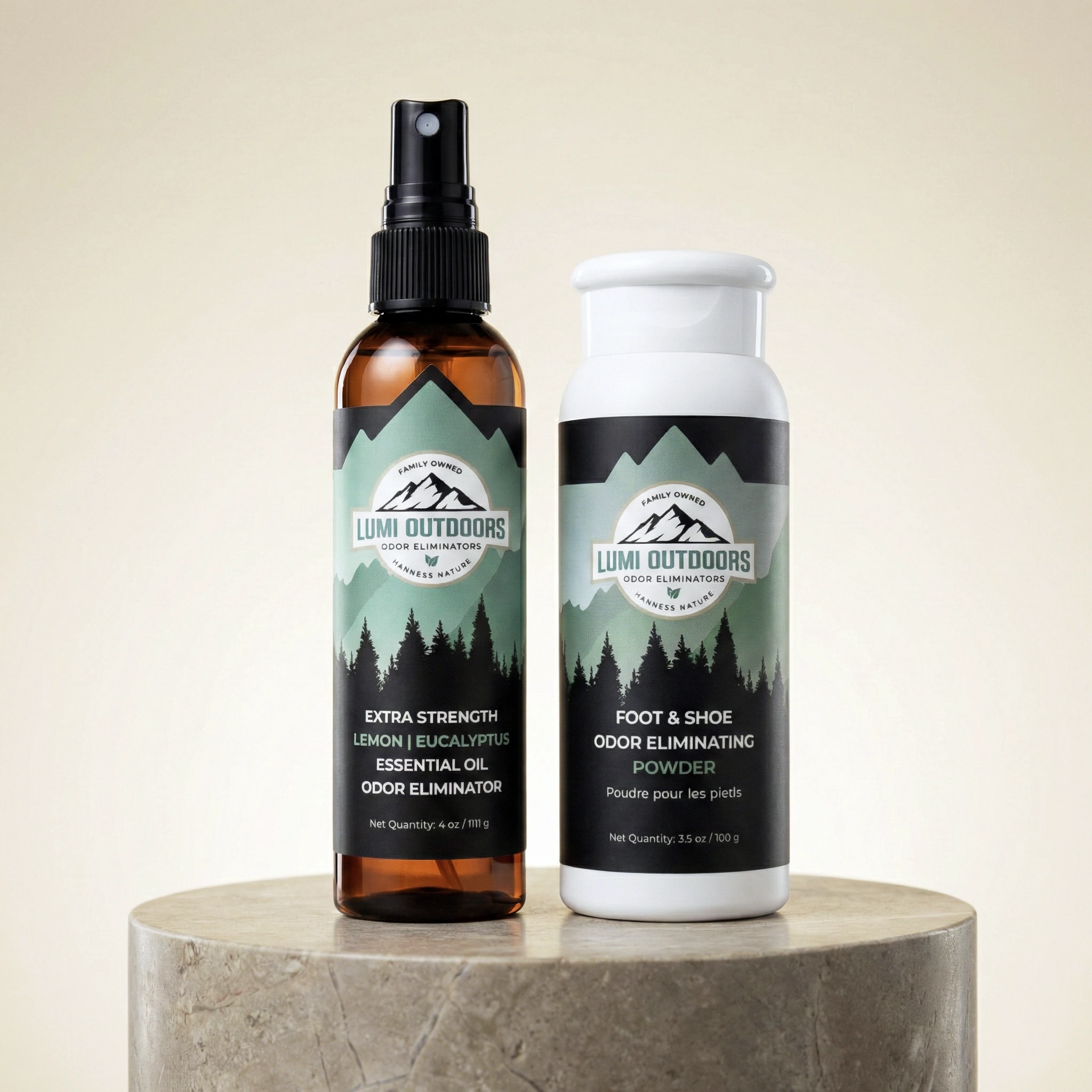
Join 1 Million+ Other People Who Chose Lumi to Conquer Their Shoe Odor.
- THE ULTIMATE 1-2 PUNCH AGAINST ODOR
- A COMPLETE KIT FOR SHOES, BAGS & GEAR
- PROUDLY FAMILY-OWNED & MADE IN UTAH
- THE "FRESH CONFIDENCE" GUARANTEE