

5 Easy Ways to Fix Smelly Cycling Shoes Without Damaging Your Carbon Soles
- Avoid the Machine High heat and washing machines will dissolve the glues holding your carbon soles together.
- Dry Fast Stuffing shoes with paper is the fastest way to pull moisture out of synthetic linings.
- Neutralize, Don't Mask Essential oils neutralize odor molecules instead of just masking them with heavy perfumes.

Your cycling shoes shouldn't smell like a gym bag that's been sitting in a hot car for a week. We’ve all been there—peeling off your shoes after a long Saturday ride only to have a wave of "locker room" odor hit everyone in the room. It’s embarrassing, and frankly, it makes you want to leave those expensive shoes in the garage permanently.
The problem is that cycling shoes are built differently than your standard gym sneakers. They’re tight, often made of synthetic materials that don't breathe well, and they house some of the most expensive tech in your gear closet: carbon fiber soles. You can't just toss them in the dryer and hope for the best. If you want to keep your gear (and your marriage) in good shape, you need a strategy that actually works without ruining the shoes.
Why Do Cycling Shoes Smell So Much Worse Than Normal Sneakers?
Cycling shoes smell worse because their snug fit and synthetic uppers trap sweat and heat, creating a damp environment where odor-causing particles thrive. Unlike mesh running shoes, the stiff materials in cycling footwear provide very little ventilation to dry out moisture during or after a ride.
Think about how much you sweat during an indoor trainer session or a climb in mid-July. That moisture has nowhere to go. It gets soaked into the foam padding and the fabric lining. Because we often wear thin, synthetic socks, the shoes end up absorbing the brunt of that moisture. Over time, that dampness becomes a breeding ground for smells that seem impossible to wash out.
It’s not just about the sweat, though. It’s about the "biofilm" that builds up inside. According to research on athletic footwear, moisture trapped in dark, warm spaces is the primary driver of persistent odors. This is why you might notice your feet smell like corn chips even after a short ride. If you're curious about the science behind that specific scent, check out our guide on why your feet smell like corn chips.
If you want to stop the moisture before it starts, you need a heavy-duty absorber. This is the one we keep by the door:
What You'll Need
- Newspaper for Stuffing
- Mesh Laundry Bag
- Extra Strength Shoe Deodorizer Spray Check Price →
- Cedar Shoe Trees
Can You Put Cycling Shoes in the Washing Machine?
No, you should never put cycling shoes in a washing machine because the high heat and mechanical agitation can destroy the adhesives and warp the carbon fiber plates. Instead, you should hand-wash the uppers with a mild soap and only machine-wash the removable insoles inside a protective mesh laundry bag.
I know it's tempting. The machine seems like the "easy" button. But here’s the thing: carbon fiber is incredibly strong, but the glues holding your shoe together aren't fans of 120-degree water or the violent spinning of a heavy-duty cycle. You risk the sole separating from the upper, which is an expensive mistake to make.
If they are truly filthy from a muddy mountain bike ride, use a soft brush and cool water. For the smell, pull the insoles out. You can actually toss those insoles into a mesh laundry bag and run them with your cycling kits on a cold, gentle cycle. It’s the insoles that usually hold 90% of the funk anyway. For the rest of the shoe, stick to natural sprays that neutralize the scent without needing a full soak.
Always pull your insoles halfway out after every ride. This creates a 'chimney effect' that allows air to circulate deep into the toe box, which is where the worst odors usually hide.
What Is the Best Way to Dry Cycling Shoes After a Rainy Ride?

The most effective way to dry cycling shoes is to remove the insoles and stuff the shoes tightly with dry newspaper to absorb moisture from the inside out. Place them in a well-ventilated area away from direct heat sources like radiators, which can make synthetic materials brittle.
Moisture is the enemy. If your shoes stay damp for 24 hours, you're basically giving the odor permission to move in permanently. After a wet ride, your first move should be to wipe off the grit and then reach for the newspaper. The ink and paper fibers are surprisingly good at pulling water out of fabric. Change the paper every few hours if the shoes are totally soaked.
Once they are mostly dry, you can use cedar shoe trees. Not only do they help the shoes keep their shape, but cedar is naturally absorbent and leaves a light, clean scent. Whatever you do, don't leave them in your gym bag or the trunk of your car. They need airflow. If you’re struggling with a smelly closet where you store all your gear, you might find some relief in our tips on stopping your shoe closet from ruining your home.
How Do Natural Sprays Fix Cycling Shoe Odor?
Natural sprays fix shoe odor by using concentrated plant oils like tea tree, eucalyptus, and peppermint to neutralize odor molecules at the source. Unlike grocery store aerosols that use "fragrance" to mask smells, these oils break down the organic compounds that cause the stench.
I used to use those powdery blue cans you find at the drugstore. They smelled like a chemical factory and only lasted about twenty minutes. Within an hour of my next ride, the "old sweat" smell would come roaring back, mixed with a weird artificial floral scent. It was worse than the original problem.
Natural sprays are different. Essential oils have been used for centuries because they actually work. When you spray something like the Extra Strength Shoe Deodorizer Spray into your cleats, you aren't just covering it up. The lemon and eucalyptus oils go to work on the particles that make the shoes smell. It’s a cleaner, more effective way to handle gear that touches your skin.
I tested our natural spray against the big-brand aerosols. The difference isn't just in the smell—it's in how long the freshness actually lasts:
| Feature | Lumi Natural Sprays | Drugstore Aerosols |
|---|---|---|
| Active Ingredients | Pure Essential Oils | Synthetic Fragrance & Butane |
| Residue | Zero sticky buildup | Chalky white film |
| Scent Profile | Fresh Lemon & Eucalyptus | Chemical Floral/Powder |
| Safety | Plant-based & Family-safe | Harsh aerosols |
What Daily Habits Prevent Shoe Odor Before It Starts?
To prevent shoe odor, you should apply a talc-free foot powder before every ride to absorb sweat and rotate between two pairs of shoes to ensure each pair dries completely. Simply letting your shoes "rest" for 24-48 hours between uses significantly reduces the buildup of odor-causing moisture.
Prevention is always easier than a cure. If you're a daily commuter or an Every-Day-Is-Leg-Day kind of rider, your shoes probably never get the chance to fully dry out. That's a recipe for disaster. If you can, buy a second pair of shoes and swap them every other day. It sounds expensive, but both pairs will last three times longer because the materials aren't constantly saturated.
Another "pro" move is using powder. A quick sprinkle of Natural Foot Powder before you pull on your socks acts like a barrier. It catches the sweat before it even reaches the shoe lining. If you want to know more about this, we have a deep dive on how to use foot powder for shoes correctly.
"I’ve tried everything for my son's soccer cleats and my husband's cycling shoes. This is the only thing that actually gets rid of that 'rotten' smell instead of just making it smell like perfume-y rot. We keep a bottle in the mudroom now." — Sarah K., Verified Buyer
Is the natural route perfect? Mostly, but it does require consistency. If you let your shoes sit in a damp pile for a month, no spray in the world is a magic wand. You have to do the work of drying them out first. Here's the honest breakdown of what you can expect:
- Safe for expensive carbon fiber and synthetic leathers.
- No harsh chemical smells or irritating aerosols.
- Concentrated formula means one bottle lasts for hundreds of rides.
- Actually solves the problem instead of just hiding it.
- Requires regular application for the best long-term results.
- Not a substitute for physically drying out soaked shoes.
At the end of the day, your gear is an investment in your health and your hobby. You wouldn't skip lubing your chain or checking your tire pressure, so don't skip the basic maintenance of your shoes. A quick spray after a ride and a little bit of powder before the next one is all it takes to keep your gear fresh and your house smelling like a home, not a locker room.
Ready to eliminate cycling shoe odor for good?
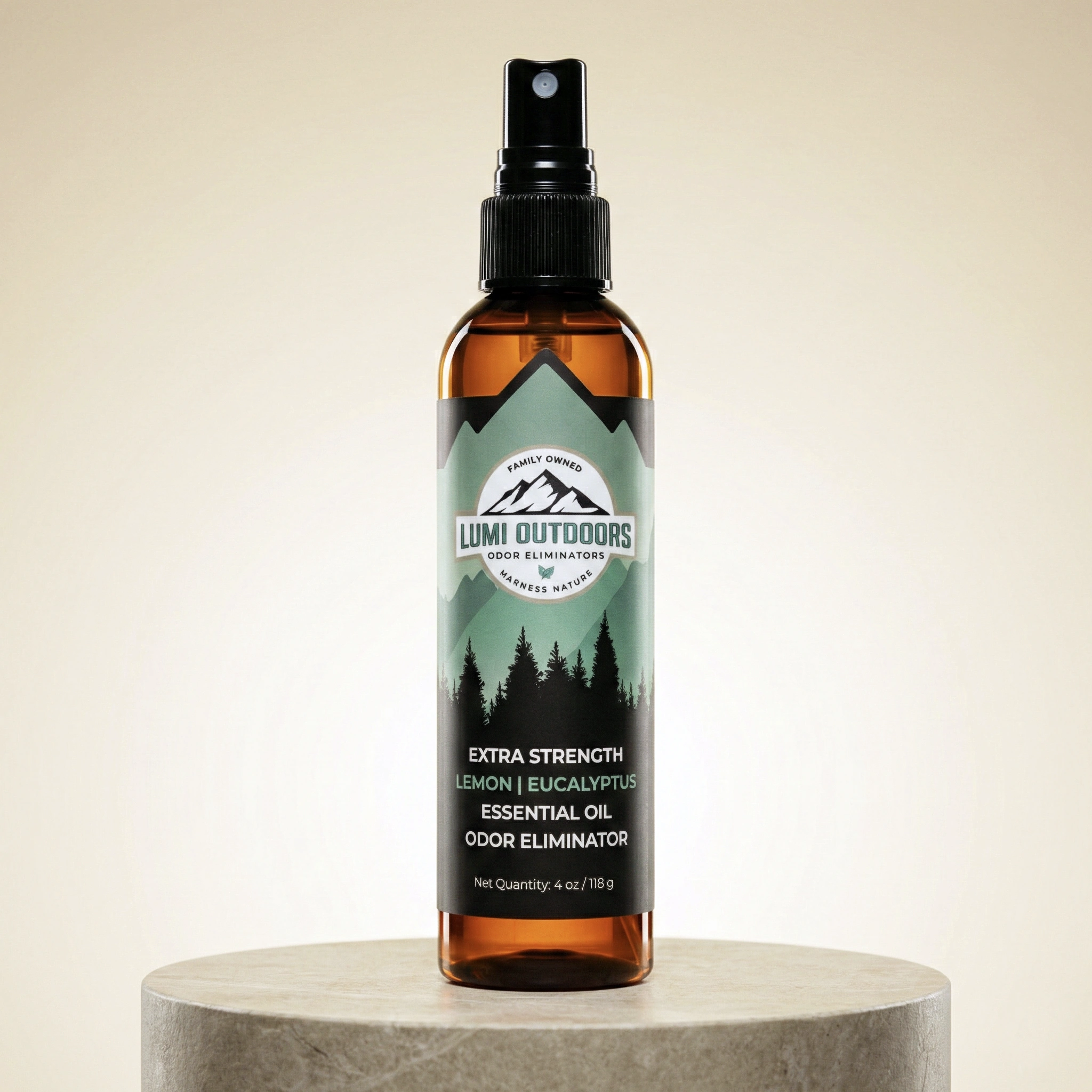
Join 1 Million+ Other People Who Chose Lumi to Conquer Their Shoe Odor.
- DESTROYS ODOR AT THE SOURCE, DOESN'T JUST MASK IT
- ALL-NATURAL & PLANT-BASED INGREDIENTS
- PROUDLY FAMILY-OWNED & MADE IN UTAH
- THE "FRESH CONFIDENCE" GUARANTEE
Frequently Asked Questions
Can I use baking soda in my carbon-soled shoes?
How often should I spray my cycling shoes?
Will essential oils damage the synthetic leather on my shoes?
Does freezing cycling shoes actually kill the smell?