

Ready for this year's Turkey Trot, but worried about Smelly Long-Distance Running Shoes? Here's What to Do:
- Avoid the Machine Don't use a washing machine or high heat, as they destroy the glue and technical foam in your expensive running trainers.
- Neutralize, Don't Mask Use essential oils like eucalyptus and tea tree to neutralize smells instead of just masking them with heavy synthetic perfumes.
- Dryness is Key Stop odor before it starts by using talc-free powders and rotating your shoes to allow 24-48 hours of drying time between runs.

You’ve put in the miles. You've braved the early morning chills and the late-afternoon drizzle to get ready for that Thanksgiving Day 5K. The Turkey Trot is a tradition for a reason—it’s about community, fresh air, and earning that extra slice of pumpkin pie. But if we're being honest, there’s one thing about your training that isn't so festive: the smell coming from your hall closet.
If you've noticed that your running shoes are starting to smell like a mix of old cheese and a wet dog, you aren't alone. Long-distance running puts your footwear through the ringer. Between the sweat, the damp pavement, and the heat your feet generate, your sneakers become a prime neighborhood for odor-causing life forms. It’s enough to make you want to leave your shoes on the porch, but we both know that’s not a long-term solution.
Here’s the thing: you don’t have to just live with the stink, and you definitely don't have to toss your expensive trainers in the trash. I've spent years figuring out how to keep a house of active kids and runners smelling decent, and I've found what actually works. It doesn't require harsh chemicals that irritate your skin, either.
Why Do Running Shoes Smell So Bad After a Long Run?
Running shoes smell because the moisture from sweat gets trapped in the synthetic fabrics and foam, creating a damp, dark environment where odor-causing bacteria thrive. These microorganisms consume the proteins and fats in your sweat, releasing foul-smelling gases as a byproduct.
It’s a simple case of biology. Your feet have more sweat glands per square inch than almost anywhere else on your body. When you're training for a race, those glands are working overtime. On a typical long run, your feet can produce a significant amount of moisture. This condition, often referred to in medical circles as hyperhidrosis when it's excessive, is the root cause of the problem.
The materials that make your shoes so comfortable—the plush foam and breathable mesh—are also great at holding onto that moisture. If you don't get that moisture out quickly, the smell starts to set in. And once it’s in there, it’s stubborn. Many people think they can just ignore it until it "airs out," but by the time you can smell it from the next room, those odor-causing colonies have already moved in and started a family.
You don't need a degree in chemistry to fix this. You just need the right tools to neutralize the scent at its source.
What You'll Need
- Mesh laundry bag for delicate parts
- Soft-bristled brush for surface cleaning
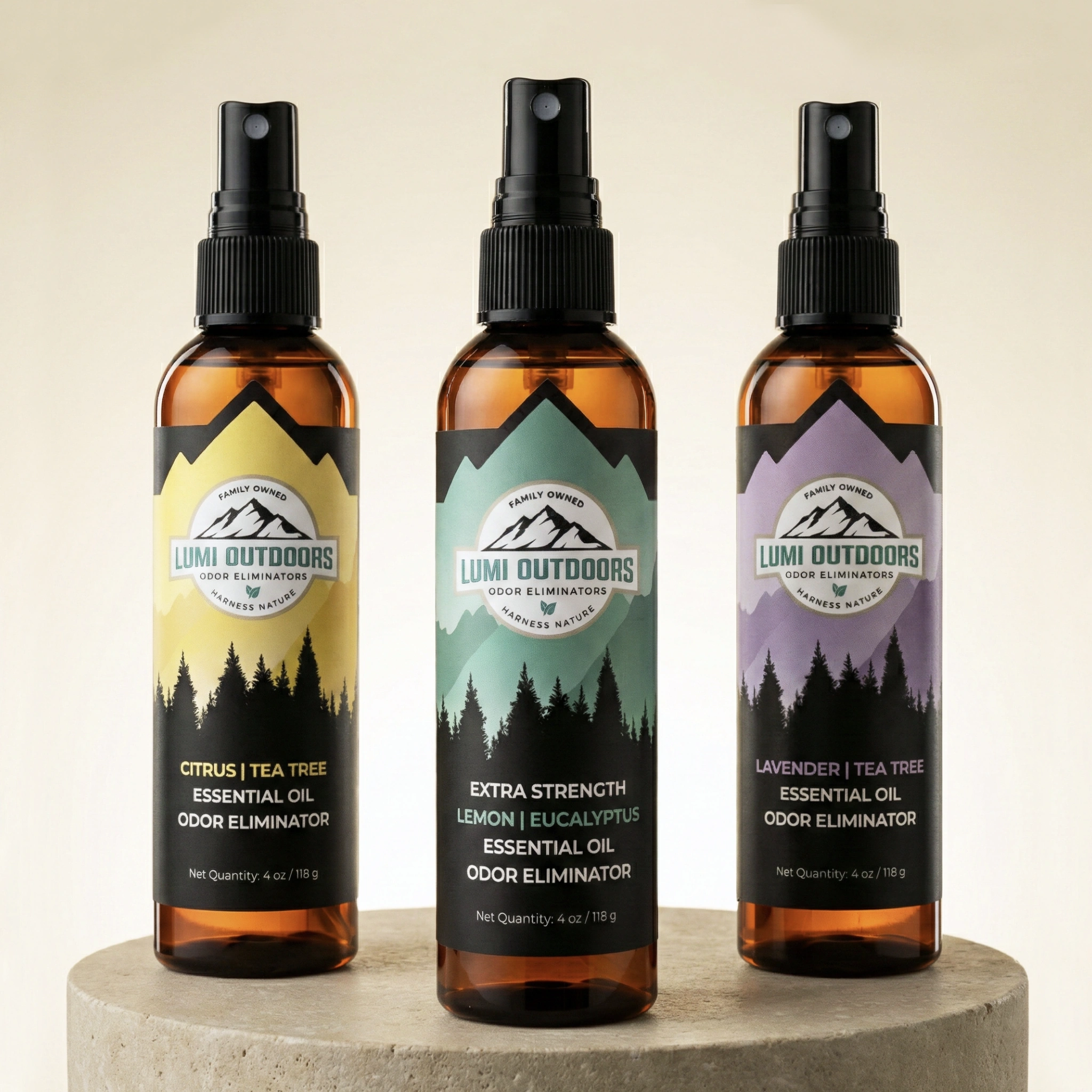
- The Variety Bundle | 3-Pack (Lemon Eucalyptus, Citrus, Lavender) Check Price →
- Newspaper for internal moisture absorption
Is It Safe to Put Running Shoes in the Washing Machine?
Most shoe manufacturers recommend against putting running shoes in the washing machine because the agitation and heat can break down the adhesives, warp the midsole foam, and ruin the structural integrity of the shoe. Hand-cleaning is the safest way to maintain the life of your footwear while removing dirt and odor.
I know it's tempting. You see those muddy sneakers after a trail run and just want to throw them in with the towels and forget about them. But the "tumble" part of the wash cycle is brutal on the technical components of modern trainers. The heat from a "warm" cycle can actually melt the glue holding your sole together. Plus, if you have fancy gel or air cushioning, the machine can actually cause those to fail prematurely.
If you absolutely must use a machine for a very dirty pair of "beater" shoes, here is the safest way to do it:
- Remove the laces and insoles first.
- Place the shoes in a mesh laundry bag to prevent them from banging against the drum.
- Use cold water and a very gentle cycle.
- Never, ever put them in the dryer.
For your "good" race-day shoes, stick to a soft-bristled brush and some mild soap for the exterior. If you’re dealing with deep-seated funk, you’re better off treating the inside with a natural deodorizer rather than drowning the whole shoe in water. It's often the case that scrubbing the surface doesn't work because the smell is buried deep in the foam layers where a brush can't reach.
What Are the Best Natural Ways to Deodorize Running Shoes?
The best natural way to deodorize running shoes is to use plant-based essential oils like eucalyptus, lemon, and tea tree, which neutralize odors rather than just masking them. Combining these oils with proper ventilation ensures that the odor-causing elements are eliminated without using harsh synthetic fragrances.
We’ve all tried the old "sprinkle some baking soda in there" trick. While it might help a little with moisture, it often ends up creating a gritty paste that’s a pain to clean out. And honestly, baking soda alone is a terrible shoe deodorizer for heavy-duty running smells. It just doesn't have the "oomph" needed to handle a 10-mile training run's worth of sweat.
I prefer a more direct approach. After every run, give your shoes a quick spray with something like the Extra Strength Shoe Deodorizer Spray. Because it uses lemon and eucalyptus oils, it actually breaks down the smells. It’s the difference between spraying perfume on a garbage can and actually taking the trash out. You'll notice the difference the next time you go to lace up; instead of that wave of "locker room" hitting you, it’s just a crisp, clean scent.
Another great trick is using cedar blocks or sachets. Cedar is naturally absorbent and has its own pleasant, woody scent. If you place them in your shoes overnight, they help pull out some of that lingering moisture while leaving behind a much better vibe than what you started with.
To maximize freshness, never leave your sweaty shoes in a dark gym bag or a closed trunk. UV light is a natural deodorizer, so let your shoes sit in a well-ventilated, sunny spot for an hour after your run—just don't leave them in high heat for too long or the glue might soften.
How Can I Prevent Shoe Odor Before the Turkey Trot Training Starts?
To prevent shoe odor, you must manage moisture levels by wearing moisture-wicking socks, rotating between two pairs of shoes to allow for full drying, and using a talc-free foot powder to absorb sweat during the run. Stopping the moisture from soaking into the shoe foam is the most effective preventative measure.
Prevention is really where the magic happens. If you can keep the inside of the shoe dry, the smell never gets a chance to start. I always suggest a "proactive defense." This starts with your socks. Ditch the 100% cotton ones; they act like sponges for sweat. Look for synthetic blends or merino wool that pull moisture away from your skin.
Then, consider using a powder. The Natural Foot Powder is a game-changer here. I tell my kids to sprinkle a little on their feet or inside their cleats before practice. It uses lemongrass and other natural minerals to keep things dry. If the sweat never makes it into the shoe’s lining, the bacteria don't have a place to play. It's a simple step that takes ten seconds but saves you hours of cleaning later.
Also, don’t wear the same pair of shoes two days in a row if you can help it. It takes about 24 to 48 hours for the foam in a running shoe to fully dry and decompress. If you’re running every day, rotating two pairs will actually make both pairs last longer and stay fresher.
We compared our natural spray against the big-brand aerosols. The difference isn't just in the smell—it's in the chemistry.
| Feature | Lumi Natural Sprays | Standard Aerosol Sprays |
|---|---|---|
| Ingredient Base | Essential Oils & Plants | Synthetic Fragrance & Alcohol |
| Odor Strategy | Neutralizes at the source | Masks with heavy perfume |
| Skin Safety | Family safe / Non-irritating | Can cause rashes or itching |
| Environmental Impact | Biodegradable / No CFCs | Aerosol pollutants |
How Do You Dry Running Shoes Fast Without Ruining the Foam?

The safest way to dry running shoes quickly is to remove the insoles and stuff the shoes with crumpled newspaper, then place them in front of a floor fan. The newspaper pulls moisture from the inside while the moving air evaporates dampness from the exterior without using damaging heat.
Whatever you do, stay away from the hair dryer or the radiator. High heat is the enemy of athletic footwear. It makes the materials brittle and can cause the soles to separate. I’ve seen many good pairs of shoes ruined because someone tried to "blast" them dry before a morning race.
Here’s the newspaper trick in detail:
- Take your shoes and pull the insoles out completely.
- Crumple up some plain black-and-white newspaper (avoid the glossy ad pages).
- Stuff it firmly into the shoes, all the way to the toes.
- Check the paper after a few hours; if it’s soaked, swap it for fresh dry paper.
This is a trick I learned back when I was dealing with smelly rain gear and boots. It’s low-tech, but it works better than almost anything else. If you have a small desk fan, point it directly at the shoes to keep the air moving. You’ll be surprised how much faster they dry when the air isn't just sitting still inside the shoe.
When Is It Time to Throw Away Smelly Running Shoes?
You should replace running shoes when the structural support has failed, typically every 300 to 500 miles, or if the odor persists even after deep cleaning and deodorizing. Persistent smell usually indicates that the odor-causing microorganisms have deeply permeated the internal foam layers.
Sometimes, despite our best efforts, a pair of shoes has just reached the end of the road. If you've tried the sprays, the powders, and the deep cleaning, and they still smell like a swamp the second they get warm, it’s a sign. That smell is often a byproduct of the foam breaking down at a microscopic level.
As a general rule, if the tread is worn flat or if you’re starting to feel new aches in your knees or shins, it’s time for a new pair. Don't risk an injury just to save a few bucks on shoes. If you do get a fresh pair for the Turkey Trot, start your "prevention" routine on day one. Use the powder from the first run, and you won't be fighting an uphill battle against the stink three months from now.
Is the natural route perfect? Mostly, but it does require consistency. Here's the honest breakdown:
- Uses high-quality essential oils instead of toxic chemicals.
- Actually eliminates the odor rather than just layering scent on top.
- Extends the life of expensive running shoes by keeping foam fresh.
- Safe for sensitive skin and people with allergies to synthetic fragrances.
- Requires consistent application after runs for the best long-term results.
- The natural scent is strong initially (though it fades to a clean finish).
At the end of the day, you want to focus on your pace and your form, not whether the person running behind you can smell your sneakers. Training for a race is hard enough; don't let shoe odor make it harder. Grab a bottle of the The Variety Bundle | 3-Pack and keep one in your gym bag, one in the car, and one by the front door. You’ll be ready for that Turkey Trot with confidence, knowing you—and your shoes—are fresh and ready to go.
Ready to finish your Turkey Trot without the stink?
Join 1 Million+ Other People Who Chose Lumi to Conquer Their Shoe Odor.
- THE BEST VALUE: STOCK UP & SAVE
- DISCOVER YOUR FAVORITE SCENT
- PROUDLY FAMILY-OWNED & MADE IN UTAH
- THE "FRESH CONFIDENCE" GUARANTEE