

7 Quick and Easy Tricks to Fix Stinky Nursing Shoes for 12-Hour Shifts
- The 24-Hour Rule Alternating between two pairs gives shoes 48 hours to fully dry out and reset.
- Socks Matter Merino wool or synthetic blends pull sweat away far better than standard cotton.
- Spray Daily Natural essential oils like eucalyptus and tea tree neutralize smells without chemicals.

You know that feeling when you finally get home after a brutal 12-hour shift? You peel off those shoes, and suddenly, the room smells like a locker room that hasn't seen a cleaning crew in a decade. It’s embarrassing, it’s frustrating, and honestly, it’s exhausting to deal with on top of everything else you do.
Nursing shoes are built for comfort and support, but they aren't always great at letting your feet breathe. Whether you're wearing clogs, sneakers, or specialized medical footwear, moisture gets trapped. That moisture is what leads to that sharp, sour smell that seems to follow you down the hospital hallways. But don't worry, you don't have to throw away those expensive shoes just yet. There are simple ways to reclaim your footwear without using harsh chemicals.
Why Do Nursing Shoes Smell So Bad After a Shift?
Nursing shoes smell because the moisture from foot sweat gets trapped inside the shoe material, creating a perfect environment for odor-causing microbes to thrive. Without proper airflow or drying time, this scent builds up over a long shift.
When you're on your feet for half a day, your feet can produce quite a bit of sweat. In fact, the human foot has more sweat glands per inch than almost anywhere else on the body. For a deep look at the science, you can read more about bromodosis, which is just the medical term for smelly feet. Most nursing shoes are made of rubber or leather to protect you from spills, but those materials also act like a seal. Everything stays inside.
If you want to stop the moisture before it starts, you need a heavy-duty absorber. This is the one we keep by the door:
What You'll Need
- Newspaper for stuffing
- Merino wool socks
- Extra Strength Shoe Deodorizer Spray Check Price →
- Cedar shoe trees
Can You Rotate Your Shoes to Stop Odor?
Rotating your shoes by alternating between two different pairs allows each pair at least 24 to 48 hours to fully dry out, which prevents odor from setting into the fabric or insoles.
This is the most effective trick in the book, though it does require buying a second pair. If you wear the same shoes every single day, they never actually get dry. The padding inside stays damp, and that’s where the smell lives. By swapping pairs, you give the materials time to "reset."
To make this even more effective, try using cedar shoe trees. You just slide them in when you get home. The cedar wood naturally pulls moisture out of the lining and leaves a light, woody scent behind. It’s a small investment that can save you from replacing $150 shoes every six months.
How Does Newspaper Help With Shoe Moisture?

Stuffing your shoes with crumpled newspaper overnight works because the porous paper fibers quickly wick away moisture and help neutralize lingering odors.
Here’s a low-tech trick that actually works. If you don’t have cedar trees, grab the Sunday paper. Crumple up several sheets and shove them deep into the toes of your shoes right after your shift. The paper acts like a sponge. By morning, the newspaper will feel slightly damp, and your shoes will be much drier. It’s a simple way to stop smelly boots and shoes forever without spending a dime.
Don't leave your shoes in a dark, cramped locker or a gym bag after a shift. Microbes love dark, damp spaces. If you can't take them home, at least place them in a spot with active airflow to help the moisture evaporate.
Is Baking Soda Actually Good for Your Shoes?
Baking soda can help neutralize some acidic odors, but using it alone often leaves a messy residue and isn't powerful enough to tackle the deep-seated smells found in high-performance nursing footwear.
A lot of people swear by baking soda, but here’s the problem: it’s messy. If you pour it straight in, you end up with a white paste in your socks the next day once your feet start to sweat. Plus, it doesn't always get the job done for 12-hour shift smells. I've found that it's better to use it as a temporary fix rather than a permanent solution. For more details on this, check out why baking soda alone is a terrible shoe deodorizer.
What Kind of Socks Should Nurses Wear to Prevent Odor?
The best socks for preventing odor are made of moisture-wicking materials like merino wool or synthetic blends that pull sweat away from the skin, rather than cotton which traps moisture against the foot.
It sounds counterintuitive to wear wool in the summer or inside a hot hospital, but merino wool socks are a lifesaver. Unlike cotton, which gets soggy and stays soggy, wool can hold moisture without feeling wet. This keeps your feet drier and significantly cuts down on the "corn chip" smell at the end of the day. If you've ever wondered why your feet smell like corn chips, it’s almost always a moisture and sock issue.
We compared our natural spray against the big-brand aerosols. The difference isn't just in the smell—it's in the chemistry.
| Feature | Lumi Outdoors Natural Sprays | Standard Aerosol Sprays |
|---|---|---|
| Ingredients | Plant-based essential oils | Harsh chemicals & butane |
| Scent Quality | Fresh & herbal (Real oils) | Heavy artificial perfumes |
| Effectiveness | Neutralizes odor at the source | Masks smells temporarily |
How Often Should You Replace Your Nursing Shoe Insoles?
You should replace your nursing shoe insoles every 3 to 6 months, as the foam layers break down and trap odors that cannot be removed by surface cleaning alone.
Sometimes the smell isn't in the shoe itself, but in the foam insole. Over time, that foam becomes a sponge for sweat. Most nursing clogs have removable insoles. Taking them out and letting them air out separately helps, but eventually, you just need a fresh pair. It’s a cheap way to make old shoes feel (and smell) like new again.
Which Natural Sprays Work Best for Long Shifts?

Natural sprays containing essential oils like tea tree, eucalyptus, and lavender are highly effective because they neutralize odors at the source rather than just masking them with fake perfumes.
If you want something that works while you sleep, a high-quality spray is the way to go. You want something that uses plant-based ingredients because you're going to be wearing those shoes for a long time, and you don't want your skin absorbing weird chemicals. The Natural Lavender Tea Tree Shoe Deodorizer Spray is a great choice because it’s calming and effective. I usually give my shoes a quick spritz right when I take them off and let them sit by the door.
Here's what one customer had to say:
"I am a nurse and work 12-hour shifts. My feet get very sweaty and my shoes would smell so bad. I've tried everything. This is the only thing that actually works. I spray my shoes every night and they are fresh the next morning!"
Is the natural route perfect? Mostly, but it does require consistency. Here's the honest breakdown:
- Plant-based, with no harsh chemicals
- Actually eliminates the odor instead of just covering it up
- Saves money by extending the life of expensive nursing shoes
- One bottle lasts for hundreds of sprays
- Natural scents are strong initially (though they fade to a clean smell)
- Requires daily application for the best results in extreme cases
At the end of the day, dealing with stinky nursing shoes is just part of the job, but it doesn't have to be a permanent problem. By rotating your footwear, choosing the right socks, and using a reliable natural spray, you can keep your home smelling fresh and your gear lasting longer. You work hard enough—you shouldn't have to worry about your shoes too.
If you're dealing with serious odor, I highly recommend the Natural Foot Powder and Extra Strength Shoe Deodorizer Spray. It gives you a 1-2 punch: the powder keeps your feet dry during the shift, and the spray handles any lingering scent when you get home. It's the ultimate system for anyone on their feet all day.
Tired of the post-shift shoe funk?
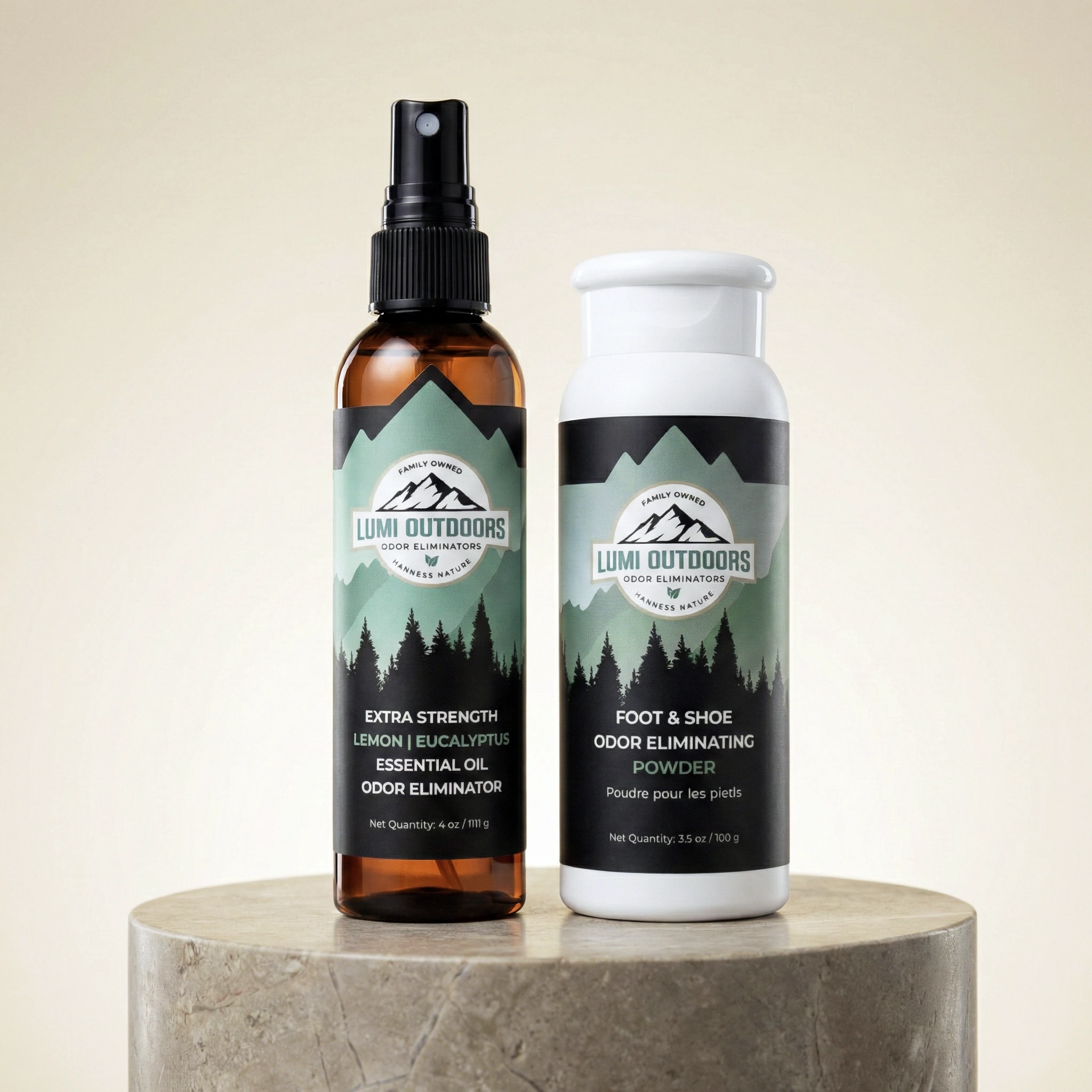
Join 1 Million+ Other People Who Chose Lumi to Conquer Their Shoe Odor.
- THE ULTIMATE 1-2 PUNCH AGAINST ODOR
- A COMPLETE KIT FOR SHOES, BAGS & GEAR
- PROUDLY FAMILY-OWNED & MADE IN UTAH
- THE "FRESH CONFIDENCE" GUARANTEE