

Kick Those Bad Boys Off - 5 Cheap Ways to Eliminate Shoe Odor
- Bacteria Is The Culprit Bacteria eating sweat and dead skin cells is what actually causes the pungent smell in your footwear.
- Moisture Control Newspaper for wet boots and baking soda socks for daily maintenance are effective budget-friendly tools.
- The 24-Hour Rule Give your footwear a full day to breathe to prevent the cumulative buildup of odors in the materials.

You know the feeling. You walk through the front door after a long day, kick off your boots, and a cloud of something "stale" hits you right in the face. It’s not just you. If you have kids in sports or a partner who works ten-hour shifts on their feet, your entryway probably smells more like a locker room than a home. We’ve all been there, trying to hide the sneakers under the bench or spraying enough floral perfume to make the house smell like a chemical meadow.
But here is the thing: masking the smell doesn't work. It just creates a weird "mountain-air-meets-old-sock" hybrid that is arguably worse. To actually fix the problem without spending a fortune on new shoes every six months, you have to tackle the root cause. It usually comes down to moisture and the tiny organisms that love to live in it. Here is how you can take control of your home’s scent without breaking the bank.
What Causes Your Shoes to Smell So Bad?
Shoe odor is primarily caused by sweat becoming trapped in footwear materials, creating a moist environment where bacteria thrive and produce foul-smelling gases. Since feet have more sweat glands per inch than almost anywhere else on the body, shoes become the perfect breeding ground if not dried properly.
It’s actually a bit of a setup. Our feet have about 250,000 sweat glands. When you’re running around or working, those glands are pumping out moisture. In a perfect world, that sweat would evaporate. But our shoes—especially thick leather work boots or synthetic gym sneakers—act like little sealed Tupperware containers. They trap that moisture against your skin and the fabric of the shoe.
The smell itself isn't actually the sweat. Sweat is mostly just water and salt. The "stink" comes from bacteria that live on your skin and in your socks. They eat the sweat and dead skin cells, and their waste products are what cause that pungent aroma. Medical professionals often call this bromodosis, and while it's common, it can be embarrassing. If you want to dive deeper into why this happens, you might want to check out why your feet smell like corn chips. It’s all about the specific types of bacteria hanging out in your laces.
You don't need a chemistry degree to fix this. You just need Extra Strength Shoe Deodorizer Spray.
What You'll Need
- Old Newspaper
- Dry Coffee Grounds
- Extra Strength Shoe Deodorizer Spray Check Price →
- Wool Socks
How Does Newspaper Help With Wet Work Boots?
Stuffing wet shoes with crumpled newspaper is a highly effective way to draw out moisture quickly and prevent odors from developing. The porous fibers of the paper act like a sponge, absorbing liquid from the inner lining and insoles that air drying alone might miss.
This is an old-school trick that parents have used for generations, and for good reason. It’s cheap, and it actually works. If your teen comes home from soccer practice in a downpour, or if you’ve spent the day working in a damp basement, your shoes are likely soaked through. If you just leave them by the door, they’ll stay damp for days. That’s when the smell really sets in.
To do this right, take a few sheets of standard black-and-white newspaper. Avoid the glossy, colorful ad inserts because the ink can sometimes transfer to your shoes. Crumple the paper into loose balls and jam them all the way into the toes of the boots. Don't pack them so tight that air can't circulate, but make sure the paper is touching the damp surfaces. Change the paper every couple of hours if the shoes are truly drenched. This is especially helpful for leather, which can crack if you try to dry it too fast with a heater.
Can Baking Soda Really Fix Smelly Shoes?

Baking soda acts as a natural pH neutralizer that absorbs both moisture and the acidic odors produced by bacteria in footwear. While it is excellent for mild cases, it works best when left inside the shoe for at least 24 hours to fully draw out deep-seated smells.
Baking soda is the Swiss Army knife of home cleaning. It’s cheap, safe, and most of us have a box sitting in the back of the pantry. Because it’s an alkaline substance, it reacts with the acidic gases that bacteria produce. It doesn’t just cover the smell; it literally pulls it out of the air and the fabric.
Here’s the catch: don’t just dump a massive pile of powder directly into your favorite suede boots. It can be a pain to get out, and sometimes it can make the insoles feel gritty or even dry out leather. Instead, fill an old pair of wool socks with about half a cup of baking soda and tie the ends. Drop these "deodorizer sachets" into your shoes overnight. It keeps the mess contained while still letting the soda do its job. However, if you’re dealing with a serious, long-term funk, you might find that baking soda alone is a terrible shoe deodorizer for the heavy-duty stuff. It’s a great maintenance tool, but it often lacks the power to destroy the source of the smell.
If you have a particularly stubborn odor, use completely dry, unused coffee grounds inside a thin sock. Coffee grounds contain nitrogen, which helps neutralize sulfur smells even more effectively than baking soda. Just ensure they are 100% dry to avoid staining the interior of your shoes.
Why Should You Rotate Your Footwear Every Day?
Rotating your shoes gives each pair at least 24 hours to completely dry out, which is the most effective way to stop odor-causing bacteria from multiplying. When you wear the same shoes two days in a row, the moisture from the first day never fully evaporates, leading to a cumulative buildup of smell.
I know, I know. You have that one pair of sneakers that goes with everything, or that one pair of work boots that are finally broken in perfectly. But wearing them every single day is the fastest way to ruin them. Most materials, especially the foam in athletic shoes and the leather in boots, need a full day to "breathe" and return to their original shape and dryness.
If you can afford it, buy two pairs of your "daily drivers" and swap them every morning. This doesn't actually cost more in the long run because each pair will last significantly longer than if you wore them to death one at a time. It’s about managing the humidity. By letting them dry out completely, you’re essentially starving the bacteria of the water they need to survive. It’s a simple habit that makes a massive difference in the "entryway aroma."
What Is the Best Way to Use Essential Oils for Shoe Freshness?

Essential oils like tea tree, lemon, and eucalyptus can be used to naturally refresh shoes by either placing oil-soaked cotton balls inside or using a plant-based spray. These oils contain natural compounds that help neutralize odors without the use of harsh synthetic chemicals.
If you prefer a natural home, essential oils are your best friend. Tea tree oil is famous for its cleansing properties, while citrus oils like lemon and orange are great at cutting through heavy scents. But don’t just drop pure oil onto your shoes! Some oils can stain or break down the glues used in sneaker soles.
The best way to use them is to create a light mist. You can mix a few drops with water and a little bit of witch hazel in a spray bottle. Or, if you want something that’s already perfectly balanced, a natural spray is the way to go. It’s why so many parents reach for something like the Natural Lavender Tea Tree Shoe Deodorizer Spray. It gives you that herbal, "spa-like" smell while actually doing the hard work of refreshing the fabric. It’s a lot easier than playing amateur chemist in your kitchen when you’re already busy with laundry and dinner.
We compared our natural spray against the big-brand aerosols. The difference isn't just in the smell—it's in the chemistry.
| Feature | Lumi Natural Sprays | Standard Aerosol Sprays |
|---|---|---|
| Ingredients | Plant-based oils & enzymes | Butane, Propane & Fragrance |
| Residue | Zero sticky buildup | Chalky or oily film |
| Odor Strategy | Neutralizes at the source | Masks with heavy perfume |
| Safety | Skin & pet safe | Respiratory irritants |
How Do Natural Sprays and Powders Compare to Home Remedies?
Professional natural products are often more effective than home remedies because they use concentrated plant-based enzymes and high-quality essential oils that penetrate deeper into shoe fibers. While newspaper and baking soda are great for moisture, specialized sprays are designed to neutralize the actual molecules causing the odor.
Home remedies are fantastic for "first aid" on a smelly pair of shoes. If you’re in a pinch, the newspaper and sock-full-of-baking-soda tricks will get you through the night. But if you’re dealing with a kid who plays travel ball or a spouse who works in construction, you need something that works on a deeper level.
Natural powders, for instance, are designed to stay in the shoe while you wear it. They keep your feet dry for 12 hours or more, preventing the sweat from ever reaching the shoe’s lining in the first place. This "preventative strike" is much more effective than trying to fix a smelly shoe after the fact. For the ultimate defense, many families use a 1-2 punch: a powder in the morning to keep things dry, and a spray at night to refresh. This is the logic behind the Natural Foot Powder and Extra Strength Shoe Deodorizer Spray. It’s a complete system that handles both the moisture and the smell.
Is the natural route perfect? Mostly, but it does require consistency. Here's the honest breakdown:
- Uses high-quality essential oils instead of harsh chemicals.
- Safe for all materials including leather and delicate synthetics.
- Provides immediate relief from embarrassing shoe smells.
- Extends the life of expensive footwear by maintaining freshness.
- Requires consistent use for the best long-term results.
- Not a substitute for washing shoes that are physically dirty or muddy.
At the end of the day, having a fresh-smelling home shouldn't be a full-time job. By combining a few simple habits—like using newspaper for wet boots and rotating your footwear—with a high-quality natural deodorizer, you can keep your shoes (and your nose) happy. No more holding your breath when you walk past the shoe rack.
Ready to eliminate shoe odor for good?
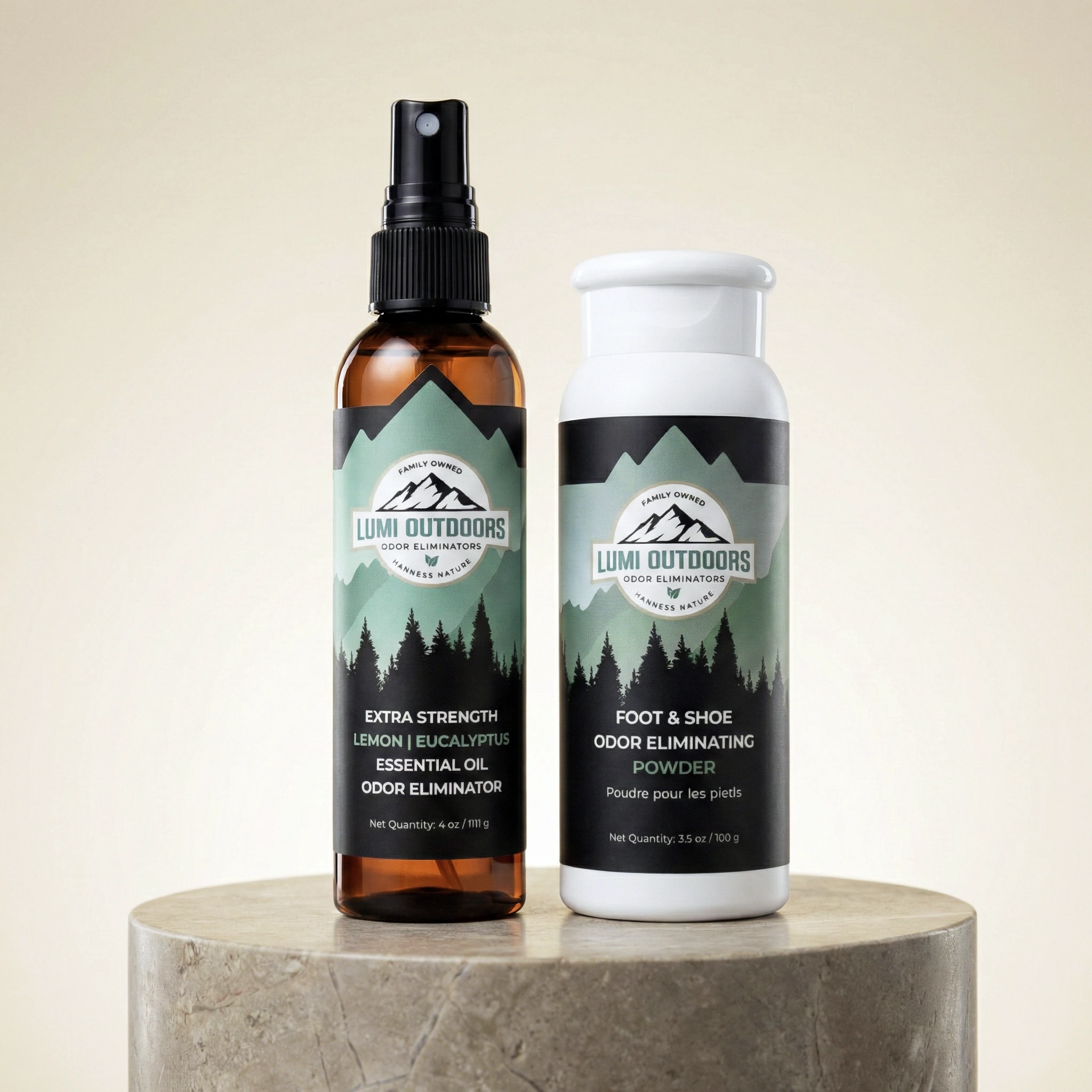
Join 1 Million+ Other People Who Chose Lumi to Conquer Their Shoe Odor.
- THE ULTIMATE 1-2 PUNCH AGAINST ODOR
- A COMPLETE KIT FOR SHOES, BAGS & GEAR
- PROUDLY FAMILY-OWNED & MADE IN UTAH
- THE "FRESH CONFIDENCE" GUARANTEE