
Why Traditional Cleaning Fails: 7 Better Tricks for Your Riding Boots
- Dry First Scrubbing mud while it is wet grinds grit into the leather pores and causes scratches.
- Interior Matters Moisture trapped inside boots is the leading cause of leather rot and persistent odor.
- Maintain Shape Using boot trees keeps the leather from collapsing and cracking at the ankle joints.

If you've spent any time at the barn, you know the smell. It’s a mix of fresh hay, horse sweat, and leather—which is actually quite nice until you get home and realize your boots have absorbed something much less pleasant. Riding boots are an investment. Whether you’re wearing tall field boots for the show ring or paddock boots for daily chores, they take a beating. Mud, manure, and our own sweat work together to break down the leather and create odors that seem to live in the stitches forever.
Most of us were taught to just grab a sponge and some saddle soap. But here’s the thing: soap alone isn't going to save your boots from the grime that settles into the lining. If you want your footwear to last a decade instead of a season, you need a better strategy. We're looking at ways to handle the grit on the outside and the "funky" environment on the inside.
How Do You Remove Mud Without Ruining the Leather?
The most effective way to remove mud is to let it dry completely and then flick it off with a soft-bristled brush before using a damp cloth for a final wipe. This prevents you from grinding grit deeper into the leather pores and causing permanent scratches.
When you come out of the ring with mud caked on your heels, your first instinct is probably to spray them with a hose. Please, don't do that. Leather is skin, and soaking it causes it to swell and then shrink as it dries, leading to cracks. Instead, let the mud dry. Use a soft-bristled shoe brush to gently knock the dirt loose. Once the heavy lifting is done, take a microfiber cloth that’s barely damp to wipe away the remaining dust. This keeps the leather surface smooth and ready for conditioning.
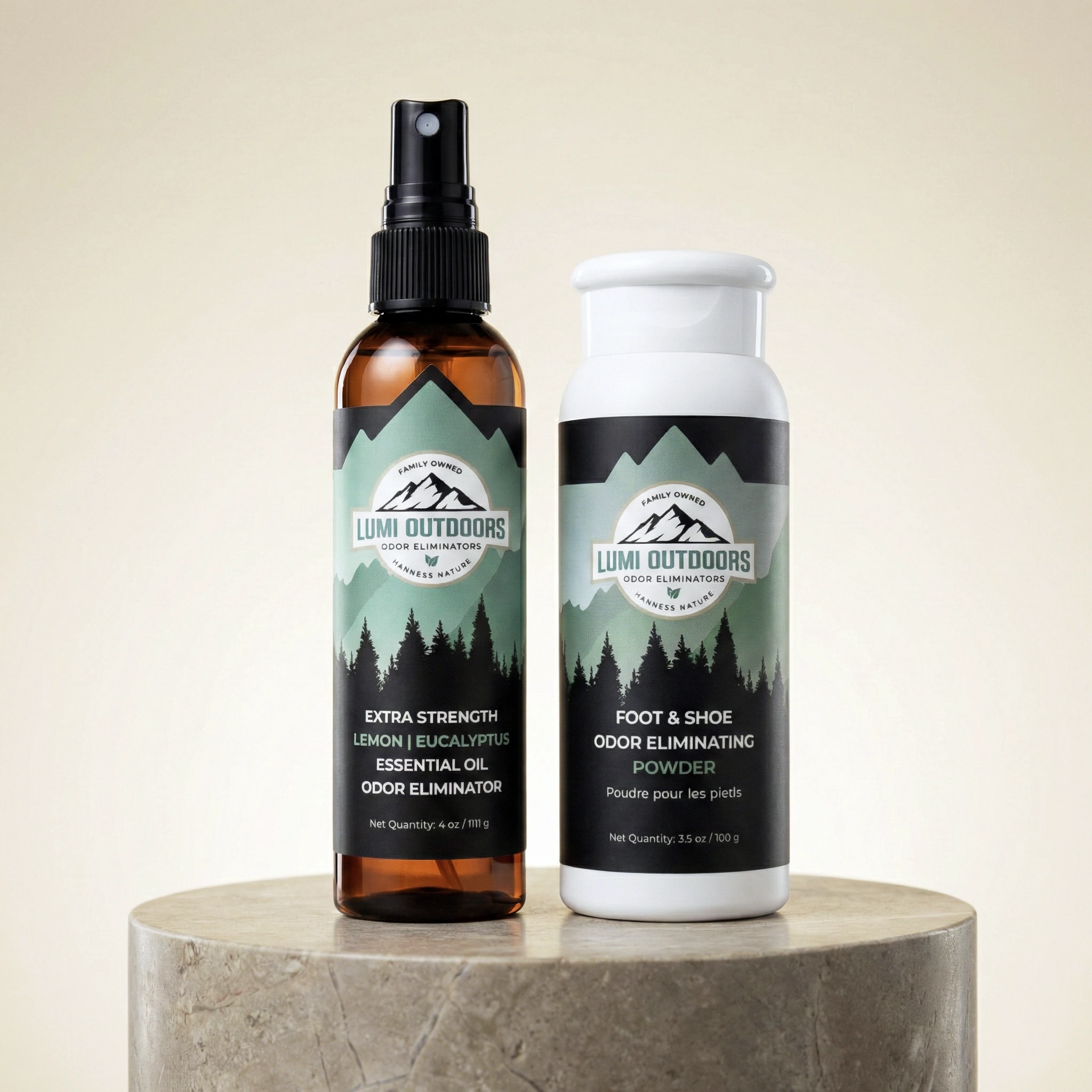
If you find that your boots are still smelling a bit "barn-like" even after the mud is gone, it's usually because the moisture has seeped into the seams. You don't need harsh chemicals to fix this. If you want to stop the moisture before it starts, you need a heavy-duty absorber. This is the one we keep by the door:
What You'll Need
- Soft-bristled shoe brush
- Microfiber cloth
- Natural Foot Powder and Extra Strength Shoe Deodorizer Spray Check Price →
- Cedar boot trees
What Is the Best Way to Clean Riding Boot Zippers?
Clean zippers by using a soft toothbrush to scrub out dirt and sand, followed by a specialized zipper lubricant or a tiny bit of paraffin wax to keep the teeth moving smoothly. Never force a stuck zipper, as this can tear the surrounding leather or break the track.
Zippers are the first thing to fail on expensive riding boots. Between the arena dust and the sweat from the horse’s side, those metal teeth get gummed up fast. I’ve seen so many riders ruin a $600 pair of boots because a zipper blew out at a show. Use that soft-bristled shoe brush or an old toothbrush to clean the tracks every single week. If the zipper feels stiff, don't yank it. Apply a little bit of wax or a dedicated zipper cleaner. This small habit can save you a $100 repair bill at the cobbler.
How Do You Stop Riding Boots from Smelling?
To stop riding boot odor, you must neutralize the sweat trapped in the lining using a natural spray and keep the interior dry between rides. Applying a talc-free powder before putting them on can also prevent moisture from soaking into the leather in the first place.
Let's be honest: riding is a workout. Our feet sweat, and because riding boots are designed to be snug and often tall, there isn't much airflow. That moisture sits there and becomes a breeding ground for smells. You might notice your boots start to have that corn chip smell after a long day in the sun.
Sprinkling some Natural Foot Powder inside before you head to the barn is a pro move. It catches the sweat before it hits the leather lining. If they already smell, skip the grocery store aerosols. Those usually just mask the scent with a heavy perfume that smells like "flowers and feet." Instead, use a spray with essential oils like lemon and eucalyptus that actually breaks down the odor molecules.
If your boots are damp after a ride, use a hairdryer ONLY on the 'cool' or 'no heat' setting. It speeds up evaporation without causing the leather to shrink or become brittle like a heater would.
Can You Clean the Inside of Leather Riding Boots?
Yes, you can clean the inside by wiping the lining with a cloth dampened with a very mild vinegar and water solution, followed by a thorough air-drying session away from direct heat. This helps remove salt deposits from sweat that can make the lining stiff and brittle.
We spend so much time polishing the outside that we forget the inside is where the real damage happens. Sweat contains salt, and salt is the enemy of leather. Over time, it dries out the interior lining until it cracks. A quick wipe-down once a month keeps the lining supple. After wiping, I like to use the Natural Citrus Tea Tree Shoe Deodorizer Spray to keep things fresh. It's gentle enough for daily use and doesn't leave a sticky residue.
I tested our natural spray against the big-brand aerosols for a month at the training barn. The difference isn't just in the smell—it's in the chemistry. The natural oils didn't dry out my boot liners, whereas the alcohol-heavy sprays made the leather feel like cardboard after a few weeks.
| Feature | Lumi Natural Sprays | Big-Brand Aerosols |
|---|---|---|
| Leather Care | Essential oils condition lining | Alcohol dries out leather |
| Odor Action | Neutralizes molecules | Masks with heavy perfume |
| Scent Profile | Fresh Lemon & Eucalyptus | Chemical Floral/Powder |
How Do You Keep Tall Boots from Sagging?

The secret to preventing sagging is using cedar or plastic boot trees immediately after taking your boots off to maintain the shape while the leather is still warm and moist. This prevents permanent creases at the ankle that can eventually lead to the leather splitting.
If you drop your boots in the corner of the mudroom, they’re going to fold over. Those folds eventually become cracks. Using boot trees is non-negotiable for tall boots. If you're on a budget, even rolled-up magazines or pool noodles work in a pinch. The goal is to keep the "chimney" of the boot upright so air can circulate. This also helps them dry faster, which is the best way to prevent that deep-seated barn odor from setting in.
Is There a Way to Clean Suede Half Chaps?
Clean suede half chaps using a dedicated suede brush to lift the nap and a suede eraser for stubborn stains or oily spots. Avoid using water or traditional leather conditioners, as these will flatten the texture and darken the material permanently.
Suede is a different beast. If you treat it like smooth leather, you'll ruin it. I always keep a suede eraser in my trunk. It works just like a pencil eraser—you rub it on the dark, shiny spots where your leg meets the saddle, and it lifts the dirt right out. After that, a quick brush-over brings back that "fuzzy" look we love. For more tips on gear maintenance, check out our guide on cleaning rain gear and boots.
How Often Should You Condition Riding Boots?
Condition your boots once a month or whenever the leather starts to look dull or feel stiff. Regular conditioning replaces the natural oils lost to heat and dirt, ensuring the leather remains flexible and water-resistant.
Think of conditioner like moisturizer for your face. You don't want to overdo it, or the leather will get too soft and lose its support. But if you skip it, the boots will eventually crumble. Apply a thin layer, let it sit, and buff it off. This creates a barrier against the elements.
Is the natural route perfect? Mostly, but it does require a little more consistency than just blasting your boots with chemicals. Here's the honest breakdown:
- Drastically extends the life of expensive leather footwear.
- Uses natural essential oils.
- Prevents the embarrassing 'horse smell' from following you home.
- The bundle offers the best value for total moisture and odor control.
- Natural sprays require a quick shake before each use to mix the oils.
- You need to let the spray dry for a few minutes before wearing the boots.
Barn life is messy, and our gear reflects that. But taking ten minutes after a ride to brush off the dirt and spray the interiors makes a world of difference. Your boots will look better, smell better, and most importantly, they'll last long enough to justify that price tag.
Tired of your riding boots smelling like the bottom of a stall?
Join 1 Million+ Other People Who Chose Lumi to Conquer Their Shoe Odor.
- THE ULTIMATE 1-2 PUNCH AGAINST ODOR
- A COMPLETE KIT FOR SHOES, BAGS & GEAR
- PROUDLY FAMILY-OWNED & MADE IN UTAH
- THE "FRESH CONFIDENCE" GUARANTEE
Frequently Asked Questions
Can I use baking soda in my riding boots?
How do I dry my boots if they get soaked in the rain?
Why do my boots still smell after I clean the outside?