

7 Quick Ways to Fix Stinky Winter Boots For Good: The 2026 Master Guide
- Moisture is the Root Boots smell because moisture stays trapped in heavy liners where odor-producing germs live.
- Drying Matters Newspaper and airflow are safer and more effective for drying boots than direct heater contact.
- Natural is Powerful Essential oil-based sprays neutralize smells without damaging delicate boot materials or irritating skin.

Walking into a mudroom that smells like a high school locker room isn't exactly the "cozy winter vibe" most of us are going for. We spend hundreds of dollars on high-quality leather boots and insulated hikers, only to have them become a source of embarrassment by mid-January. If you’ve ever found yourself trying to discreetly kick off your boots at a friend’s house while praying no one notices the scent, you aren't alone.
The problem is that winter boots are designed to keep heat in. Unfortunately, they are also incredibly good at trapping moisture. When your feet sweat—and they do, even in the cold—that moisture gets soaked up by the thick liners and foam. Without the right care, that dampness becomes a playground for odors. But don't toss those expensive boots in the trash just yet. You can fix this without using harsh chemicals that irritate your skin or ruin the leather.
Why Do Winter Boots Smell So Bad So Quickly?
Winter boots smell because their thick insulation traps sweat and moisture, creating a damp, dark environment where odor-causing bacteria thrive. Unlike sneakers, the heavy waterproof materials in boots prevent airflow, meaning they rarely dry out completely on their own.
Your feet have about 250,000 sweat glands, and they don't stop working just because it's snowing. In fact, wearing heavy wool socks inside insulated boots can actually increase perspiration. When that sweat has nowhere to go, it soaks into the boot's footbed. According to research on foot odor, it's not actually the sweat that smells; it's the waste produced by bacteria as they break down that sweat.
If you want to stop the funk before it starts, you need something that deals with the source of the smell rather than just covering it up with a "mountain breeze" scent. You don't need a chemistry degree to fix this. You just need the right tool in your mudroom cupboard.
What You'll Need
- Old Newspaper for Stuffing
- Soft-Bristled Shoe Brush
- Extra Strength Shoe Deodorizer Spray Check Price →
- Baking Soda for a DIY Dry Pack
Can You Use Baking Soda to Deodorize Winter Boots?
Baking soda is an effective, natural deodorizer for winter boots because it is alkaline, which helps neutralize acidic odor molecules and absorb excess moisture. For best results, sprinkle it inside overnight and shake it out thoroughly the next morning.
Baking soda is a staple for a reason—it's cheap and it works. But there is a right way and a wrong way to use it. If you just dump a cup of powder into a damp boot, you’re going to end up with a chalky paste that’s a nightmare to clean out. Instead, try filling an old pair of socks with baking soda and tying the ends. Drop these "odor bombs" into your boots when you get home. This keeps the powder contained but allows it to pull the moisture and scent out of the air inside the shoe.
While it's a great quick fix, keep in mind that baking soda alone is often not enough for deep-seated smells in thick felt liners. It absorbs current odors but doesn't necessarily stop the next round from forming.
How Do You Dry Out Heavy Boots Without Damage?

The safest way to dry heavy winter boots is to remove the insoles and stuff the boots with crumpled newspaper, which wicks away internal moisture without the risk of cracking leather or melting glues associated with high heat. Avoid placing boots directly on a radiator, as extreme heat can make materials brittle.
Moisture is the enemy. If your boots are still damp when you put them on the next morning, you’re just layering new sweat on top of old moisture. It’s a recipe for disaster. If you don't have a dedicated boot dryer, the newspaper trick is your best friend. Crumple up pages of an old Sunday paper and shove them all the way into the toes. The paper acts like a sponge, pulling the water out of the lining.
Change the paper every few hours if the boots are truly soaked. This is especially vital for work boots. If you're curious about more heavy-duty solutions, check out these tips on how to get rid of smelly work boots naturally.
Instead of just spraying the surface, pull out the removable insole and spray the underside of it and the bottom of the boot cavity. Most of the 'sweat-heavy' bacteria live right in that gap where airflow is non-existent.
What Is the Best Way to Stop Odors in Fur-Lined Boots?
To deodorize fur-lined boots, use a natural essential oil spray followed by a thorough brushing with a soft-bristled shoe brush to prevent the fibers from matting. This ensures the deodorizer reaches the base of the "fur" where most bacteria hide.
Boots with faux fur or shearling linings are the hardest to keep fresh because the fibers have so much surface area for odors to cling to. When you spray a deodorizer into these, don't just let it sit. Take a soft-bristled brush and gently work the fibers around. This helps the spray penetrate the lining and keeps the interior feeling soft rather than crunchy.
If the smell has migrated from the boots to the rest of your closet, a quick spritz of Lavender Vanilla Room Spray can help reset the space without that heavy chemical "floral" cloud. It’s a life-saver when guests are coming over and the mudroom is acting up.
Should You Wash Winter Boots in the Washing Machine?
No, you should never put winter boots in a washing machine as the agitation and soaking can dissolve the adhesives holding the sole together and ruin the waterproof coating on the exterior. Hand-cleaning the interior with a damp cloth and mild soap is a much safer alternative.
It’s tempting to just toss the whole problem into the laundry, but you’ll likely end up with a pair of ruined boots. Most winter footwear uses specialized glues and membranes (like Gore-Tex) that aren't meant to be submerged or spun. If the insoles are removable, you can usually wash those separately in a mesh bag. For the rest of the boot, stick to spot cleaning and high-quality natural sprays.
We compared our natural spray against the big-brand aerosols you find at the grocery store. The difference isn't just in the smell—it's in the chemistry of how they interact with your expensive footwear.
| Feature | Lumi Extra Strength Spray | Standard Chemical Aerosols |
|---|---|---|
| Ingredient Base | Essential Oils | Synthetic Fragrances & Alcohol |
| Odor Action | Neutralizes molecules at the source | Masks smells with heavy perfume |
| Material Care | Safe for leather and wool liners | Can dry out leather over time |
How Does Sunlight Help With Boot Smells?
Direct sunlight helps eliminate boot odors because ultraviolet (UV) rays act as a natural disinfectant, killing the bacteria that produce foul scents. Placing your boots in a sunny window for a few hours can significantly reduce the "funk" without using any products at all.
Nature has its own way of cleaning. On a clear winter day, if you have a spot that gets direct sun, set your boots there with the tongues pulled wide open. The UV light is surprisingly effective at neutralizing those stubborn smells. Just don't leave them out in the freezing cold overnight, as the temperature swing can be hard on leather.
How Do You Maintain Freshness All Season Long?

The key to long-term boot freshness is rotation and prevention: never wear the same pair two days in a row and apply a natural deodorizer immediately after each use while the boots are still warm. This allows the oils to work most effectively as the boot cools and dries.
If you can afford it, having two pairs of boots to rotate is the best investment you can make. It gives each pair a full 24 to 48 hours to "breathe" and dry out completely. If rotation isn't an option, you have to be disciplined about your post-wear routine. Kick them off, open them up, and give them a quick spray.
Is the natural route perfect? Mostly, but it does require a bit more consistency than just dousing your shoes in toxic chemicals once a month. Here is the honest breakdown of what to expect when you go the natural route:
- Actually eliminates the odor instead of just layering perfume on top.
- Safe for expensive materials like leather, suede, and wool.
- One bottle lasts for hundreds of sprays.
- Requires consistent application after heavy use to maintain results.
- Natural scent is strong initially (though it fades to a clean smell).
At the end of the day, winter is hard enough without having to worry about your footwear clearing a room. By focusing on moisture control and using plant-based solutions, you can keep your favorite boots for years instead of replacing them every season. Your feet—and your nose—will thank you.
Ready to end the mudroom funk for good?
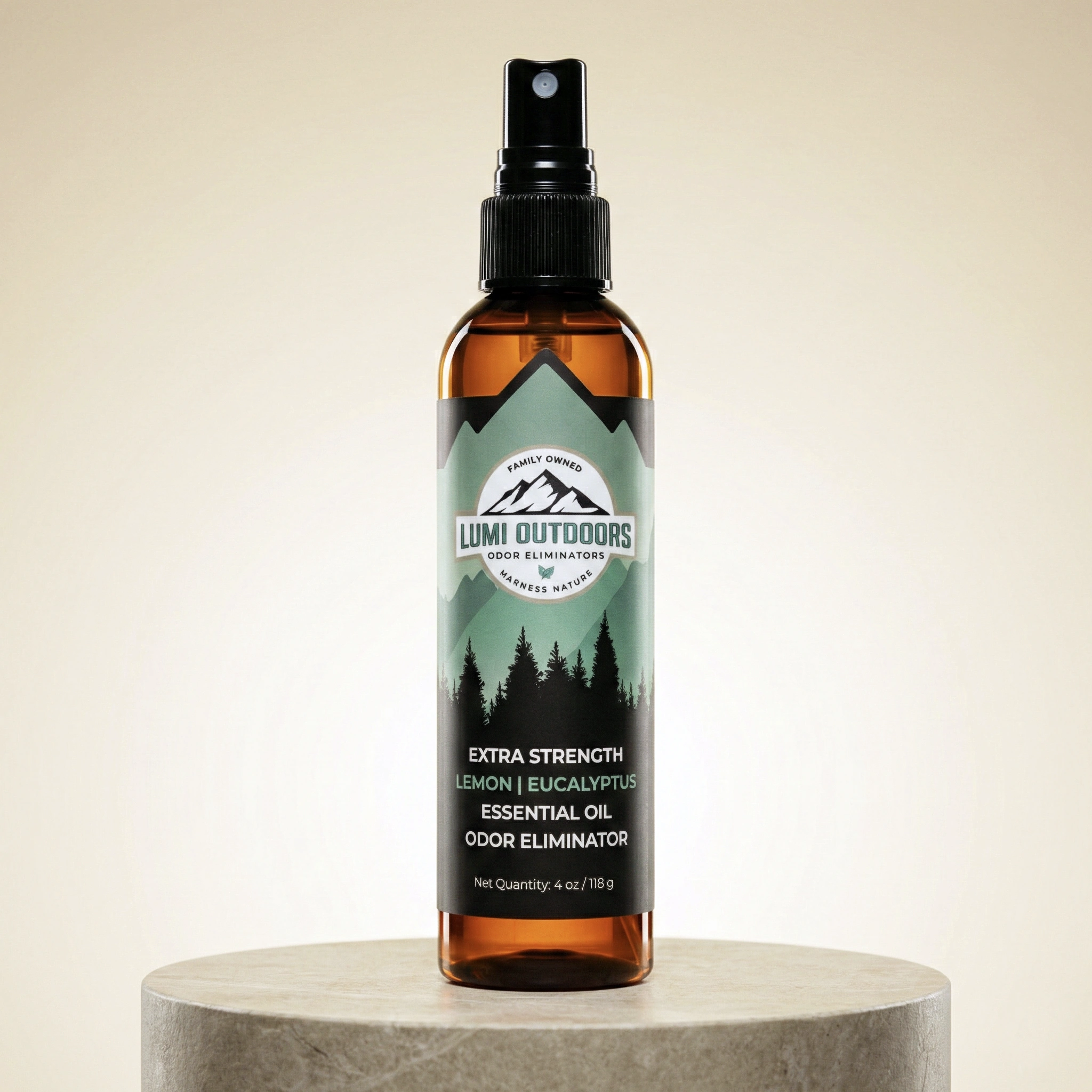
Join 1 Million+ Other People Who Chose Lumi to Conquer Their Shoe Odor.
- DESTROYS ODOR AT THE SOURCE, DOESN'T JUST MASK IT
- ALL-NATURAL & PLANT-BASED INGREDIENTS
- PROUDLY FAMILY-OWNED & MADE IN UTAH
- THE "FRESH CONFIDENCE" GUARANTEE