
7 Super Simple Ways to Deodorize Lacrosse Shoes and Keep Them Fresh All Season
- The Moisture Factor Moisture is the root cause of all shoe odor, especially in synthetic sports gear.
- Avoid the Machine Washing machines can destroy the expensive glues and structures in your cleats.
- The Power Couple Combining a preventative powder with a reactive spray is the most effective system.

You know that specific, nose-wrinkling scent that hits you the second your kid opens their gear bag after a long Saturday tournament? It’s not just "sporty." It’s a full-on olfactory assault. As a parent, you’ve probably tried everything from leaving the cleats on the porch (where they get rained on) to dousing them in flowery perfume (which just makes them smell like a lavender-scented gym sock). It’s frustrating because those cleats aren't cheap, and you want them to last longer than a single season.
The good news is that you don't need a chemistry degree or a gas mask to fix this. Lacrosse shoes are built to take a beating on the field, but their synthetic materials and thick padding are basically sponges for sweat. If we don't handle that moisture, the smell just gets worse. Here are seven ways to reclaim your mudroom and keep those cleats fresh from the first whistle to the championship game.
Why Do Lacrosse Cleats Smell So Bad After Practice?
Lacrosse cleats smell because sweat and moisture get trapped in the synthetic fabrics and foam padding, creating a dark, damp environment where odor-causing particles thrive. Unlike leather, these materials don't breathe well, locking in the scent until it's actively neutralized.
Think about what happens during a game. Your athlete is sprinting, pivoting, and sweating for sixty minutes straight. That moisture has nowhere to go but into the lining of the shoe. If those shoes go straight into a zipped gym bag, they never get the chance to dry out. It’s like putting a wet towel in a plastic bag and leaving it in a hot car. According to the Mayo Clinic, moisture is the primary driver of foot-related odors, and athletic gear is the perfect hiding spot for those smells to settle in.
You don't need a chemistry degree to fix this. You just need the right tool to stop the scent at its source.
What You'll Need
- Microfiber cloth (for exterior cleaning)
- Old newspaper (for moisture absorption)
- Extra Strength Shoe Deodorizer Spray Check Price →
- Small handheld fan (to increase airflow)
How Can You Use Baking Soda to Refresh Your Shoes?
Baking soda works by neutralizing acidic odor molecules and absorbing excess moisture that lingers in the shoe's lining. For the best results, sprinkle a generous amount inside the cleats and let them sit for at least eight hours before shaking them out.
This is the classic "grandma's secret" for a reason. It's cheap and it works. But before you dump the powder in, make sure you've wiped off any caked-on field debris. Use a microfiber cloth to get the grass and dried mud off the exterior first. If the outside is filthy, the moisture stays trapped longer. Once they're wiped down, puff some baking soda into the toe box—that’s where the worst of the sweat usually hides. Just remember to tap them out thoroughly over a trash can before the next practice, or your kid will be leaving a trail of white powder across the turf.
Always pull the insoles out as soon as the shoes come off. Most of the moisture is trapped underneath the insole, and by removing it, you cut the drying time in half and stop the smell from setting into the base foam.
Is It Safe to Put Lacrosse Cleats in the Washing Machine?
No, you should never put lacrosse cleats in the washing machine because the high heat and agitation can melt the industrial glues holding the sole to the upper and warp the structural plastic plates. Hand-cleaning with a damp cloth and specialized deodorizers is the only safe way to maintain their integrity.
I know it's tempting to just toss the whole mess into the heavy-duty cycle and walk away. But trust me, you’ll regret it when the sole starts flapping off mid-sprint during the next game. Many high-performance shoes use specialized foams that can be ruined by soaking. For instance, we've seen how people often stop washing their Brooks Ghost runners because the machine destroys the cushioning. The same applies to cleats. Stick to "spot cleaning" the outside and focusing your odor-fighting efforts on the inside where the feet actually live.
How Does Proper Air Circulation Prevent Odors?

Proper air circulation prevents odors by evaporating moisture before smells can set into the fabric; this is best achieved by removing the insoles and placing the shoes near a vent or using a small fan. Increased airflow disrupts the damp environment that odors love.
Here’s a trick I learned after years of managing a "stinky shoe" mudroom: don't just leave them on the floor. If the cleats are soaking wet from a rainy game, stuff them with old newspaper for an hour. The paper drinks up the bulk of the water. Afterward, pull the insoles out completely. Then, set a handheld fan (or a floor fan) to blow directly into the shoes. It might seem like overkill, but moving air is the enemy of stink. If you leave them in a dark corner, the moisture sits there for days. If you move the air, they’re dry and ready by morning.
I tested our natural spray against the big-brand aerosols for a week. The difference isn't just in the smell—it's in how the ingredients actually treat the material.
| Feature | Extra Strength Deodorizer Spray | Big-Brand Aerosol Spray |
|---|---|---|
| Ingredient Base | Plant-based & Essential Oils | Synthetic Fragrance & Alcohol |
| Safety Profile | Family & Pet Safe | Harsh chemicals; flammable |
| Odor Action | Neutralizes at the source | Masks with heavy perfume |
| Residue | Dries clean, no film | Can leave sticky buildup |
Why Are Cedar Inserts Better Than Plastic Shoe Trees?

Cedar inserts are superior because the natural wood is porous, allowing it to physically pull moisture out of the shoe material while releasing a clean, forest-like scent. Plastic shoe trees only hold the shape of the shoe and do nothing to address the dampness or the smell.
If you're looking for a low-effort way to keep shoes fresh between weekend games, cedar is your best friend. You can buy cedar rings or blocks, but the best ones are "shoe trees" that fill the whole space. They act like a sponge for the air inside the shoe. Plus, they keep the cleats from getting that "shriveled" look that happens when synthetic materials dry too fast near a heater. It’s a small investment that can easily add a full season of life to an expensive pair of shoes.
What Is the Quickest Way to Get Rid of Stubborn Smells?
The fastest way to eliminate stubborn shoe odor is using a high-concentration natural enzyme spray that breaks down the organic compounds causing the scent. A few sprays of a product like the Natural Citrus Tea Tree Shoe Deodorizer Spray can refresh a shoe in minutes without needing a full wash.
Sometimes you don't have eight hours for baking soda to work. Sometimes you have a game in twenty minutes and the car already smells like a locker room. This is where a heavy-duty spray comes in. Unlike the "grocery store" sprays that just cover the smell with heavy perfume, a plant-based formula actually deals with the source. If you've ever wondered how to safely deodorize Hoka Clifton 9s or other high-end athletic gear, the answer is always a gentle, natural spray that won't degrade the technical fabrics.
"The only thing that actually touched the smell of my son's cleats. I've tried every home remedy and this is the only one that didn't just smell like 'lemony-sweat.'" - Actual Customer Review for Extra Strength Spray
How Can You Stop Odor Before It Starts?
You can stop odor before it starts by applying a talc-free foot powder directly to the feet or inside the socks before putting on the cleats. This creates a dry barrier that manages sweat the moment it's produced, preventing it from ever soaking into the shoe's foam.
The smartest move is playing defense. If the sweat never reaches the shoe, the shoe never smells. Using something like the Natural Foot Powder is a total "mom win." It's talc-free, so it's safe for the kids, and it keeps their feet from sliding around inside the cleat when they get sweaty. It’s a simple 10-second step during the "getting dressed" phase that saves you hours of deodorizing later in the week. Think of it like an invisible shield for their footwear.
Is the natural route perfect? Mostly, but it does require you to stay on top of it. Here is the honest breakdown of what you can expect:
- Completely safe for kids and pets to be around
- Doesn't damage technical fabrics or expensive shoe glues
- Actually removes the smell rather than just hiding it
- Doubles as a gear bag and locker refresher
- Natural scents fade faster than synthetic perfumes (but they actually fix the smell)
- Requires regular use for the best results in high-sweat gear
Managing the "lacrosse funk" doesn't have to be a full-time job. By focusing on moisture—using fans, newspaper, and powders—and using a high-quality natural spray for the tough stuff, you can keep your home smelling like a home and not a sideline. It's about being consistent. A little spray after every practice and a little powder before every game makes all the difference. Your nose (and your athlete's feet) will thank you.
Ready to banish the 'lax funk' for good?
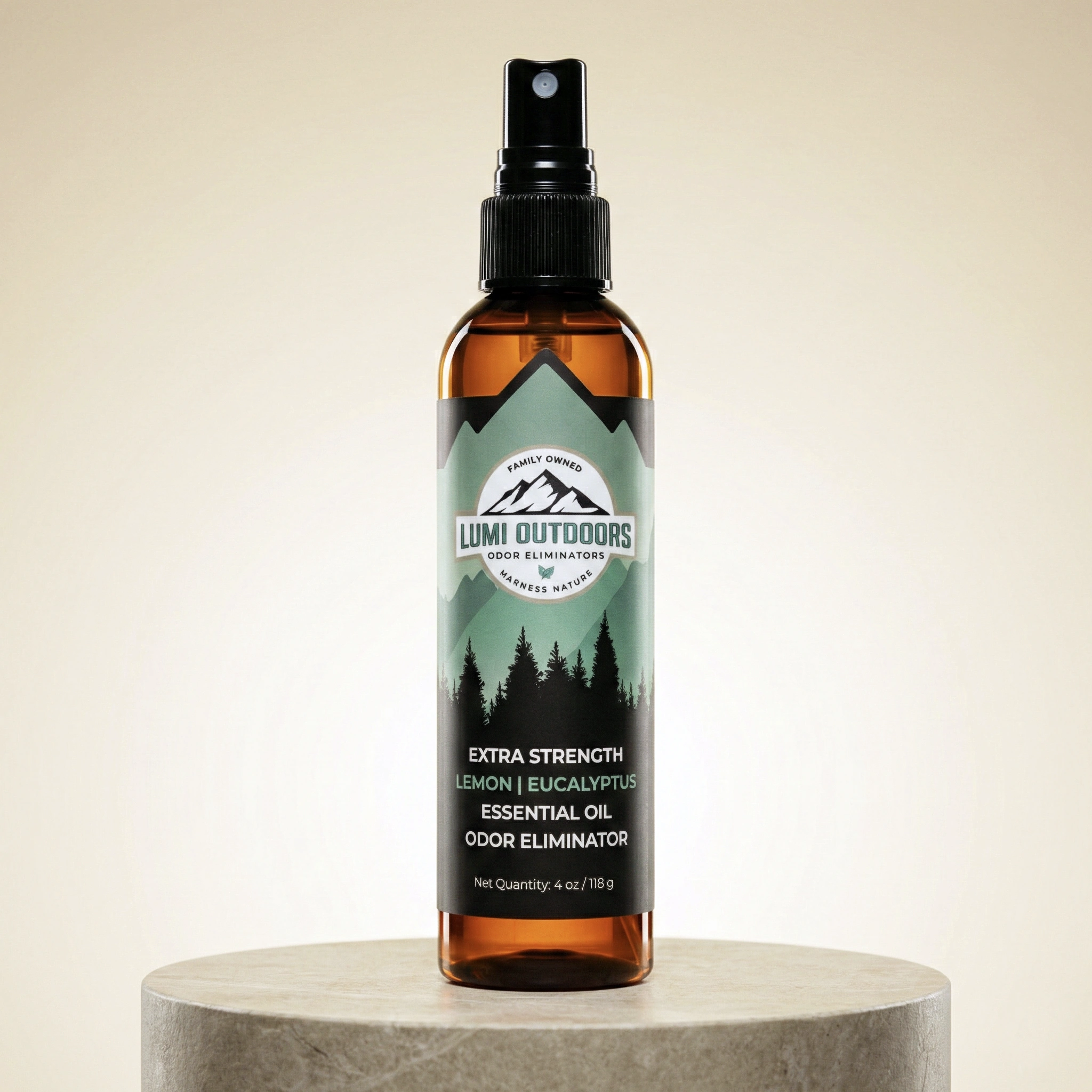
Join 1 Million+ Other People Who Chose Lumi to Conquer Their Shoe Odor.
- DESTROYS ODOR AT THE SOURCE, DOESN'T JUST MASK IT
- ALL-NATURAL & PLANT-BASED INGREDIENTS
- PROUDLY FAMILY-OWNED & MADE IN UTAH
- THE "FRESH CONFIDENCE" GUARANTEE