

Why Baking Soda Fails: 5 Cheap Ways to Fix Smelly Leather Sandals Fast Instead
- Baking Soda Limits Powder doesn't reach the deep pores where leather odors actually hide.
- Natural Power White vinegar and sunlight are the most effective low-cost tools for rescue.
- Rotation is Key Rotating your shoes every 24 hours prevents the moisture buildup that causes the funk.

We’ve all been there. You reach for your favorite pair of leather sandals, ready for a sunny walk or a casual dinner, and then it hits you. That sour, damp, "locker room" scent wafting up from the footbeds. It’s embarrassing, it’s frustrating, and let's face it—it makes you want to toss a perfectly good pair of shoes in the trash.
Most people tell you to just dump a pile of baking soda in them and hope for the best. But if you’ve tried that, you know it often leads to a chalky mess that doesn't actually fix the root of the problem. Leather is a skin; it's porous, it breathes, and it traps oils and sweat like a sponge. When those things sit in the dark of your closet, they become a breeding ground for odors.
Why Do Leather Sandals Start to Smell So Bad?
Leather sandals smell because the porous material absorbs sweat and skin oils, which then trap odor-causing bacteria deep within the fibers. Because leather isn't easily breathable once it’s saturated, moisture stays trapped, leading to persistent scents.
It’s not just about "sweaty feet." Our skin naturally sheds cells, and when you’re walking around in sandals all day, those cells get ground into the footbed. Combine that with the natural moisture your feet produce—even if you don't think you're a "sweaty" person—and you have a recipe for a scent disaster. Unlike synthetic shoes, leather holds onto these organic materials. If you aren't cleaning them regularly, that smell isn't just on the surface; it's part of the shoe.
If you want to stop the moisture before it starts, you need a heavy-duty absorber. This is the one we keep by the door:
What You'll Need
- Microfiber cloth
- White vinegar
- Natural Lavender Tea Tree Shoe Deodorizer Spray Check Price →
- Stiff-bristled brush
Why Does Baking Soda Often Fail for Leather Footwear?
Baking soda fails because it only addresses surface-level acidity and doesn't penetrate the deep pores of the leather where odors live. Additionally, its abrasive nature can dry out leather, causing it to crack or become brittle over time.
Here's the thing about baking soda: it’s great for the fridge, but not always for your expensive leather. It’s a base, and while it can neutralize some acidic odors, it’s a dry powder. It sits on top. It doesn’t "chase" the oils that have soaked into the heel or the toe area. Plus, if you don't get every single grain out, it feels like walking on sandpaper the next time you put them on. We want to fix the smell, not ruin the comfort.
What Are the Best Cheap Ways to Fix Smelly Leather Sandals Fast?

The most effective cheap ways to deodorize leather include using a 50/50 water and white vinegar spray, wiping the footbeds with rubbing alcohol, or using natural essential oil-based sprays that neutralize odors at the source.
You don't need a huge budget to rescue your sandals. You probably have most of these items in your pantry or medicine cabinet right now. Let's look at the methods that actually work without costing a fortune.
Method 1: The Vinegar Wipe-Down
White vinegar is a powerhouse for breaking down the oils that trap smells. Mix equal parts water and white vinegar in a small bowl. Dip a microfiber cloth into the mix (don't soak it!) and gently scrub the footbed. The vinegar scent will be strong at first, but it disappears as it dries, taking the bad odors with it. This is a great way to maintain your Birkenstock footbeds without causing damage.
Method 2: Sun and Fresh Air
Sometimes the simplest solution is the best. Sunlight provides natural UV rays that help neutralize the stuff growing in your shoes. Place your sandals in a sunny spot with plenty of airflow. Just don't leave them out all day in 100-degree heat, as high heat can make leather brittle. A few hours of morning sun can work wonders.
Before applying any liquid cleaner, use a dry, stiff-bristled brush to vigorously scrub the footbed. This 'exfoliates' the dried skin cells and loosened dirt that trap odors, making your vinegar or spray significantly more effective.
Method 3: Newspaper Stuffing
If your sandals feel damp or "tacky," they are holding onto moisture. Newspaper is incredibly absorbent. Scrunched-up pages shoved into the straps and laid over the footbed can pull that moisture out overnight. It’s a classic trick that works just as well for leather sandals as it does for heavy waterproof boots.
Method 4: Natural Essential Oil Sprays
If you're in a hurry and can't wait for things to dry, a specialized spray is your best friend. Look for something that uses tea tree oil or lavender. These aren't just "perfumes" that hide the smell; they actually help neutralize the organic causes of the odor. I personally love the Natural Lavender Tea Tree Shoe Deodorizer Spray because it makes the whole mudroom smell like a spa instead of a gym.
Method 5: Rubbing Alcohol (The Nuclear Option)
For sandals that have reached "toxic" levels, rubbing alcohol can help. Put some 70% isopropyl alcohol on a cotton ball and wipe down the areas where your feet make the most contact. It evaporates quickly and kills the odor-causing agents instantly. Just be careful: alcohol is very drying, so you might want to follow up with a leather conditioner afterward.
How Can You Prevent Sandal Odor Before It Starts?
Preventing odor starts with never wearing the same pair of sandals two days in a row and ensuring your feet are clean and dry before putting them on. Giving the leather 24 hours to fully air out between wears is the most effective way to stop buildup.
Consistency is the secret here. If you let the sweat build up for a whole summer, it’s much harder to fix. I try to give my sandals a quick wipe at the end of every week. It takes thirty seconds but saves the shoes. Also, think about where you store them. A dark, cramped closet is an invitation for smells to grow. Keep them on an open rack where air can circulate.
I tested both side-by-side for a week. Here's what happened:
| Feature | Natural Lavender Tea Tree Spray | Grocery Store Aerosols |
|---|---|---|
| Odor Action | Neutralizes at the source | Masks with heavy perfume |
| Residue | Zero sticky buildup | Leaves a powdery film |
| Scent Profile | Calming herbal spa scent | Artificial chemical citrus |
Is It Safe to Put Leather Sandals in the Washing Machine?

No, you should never put leather sandals in the washing machine as the excess water and agitation will cause the leather to swell, crack, and lose its natural oils. This often leads to permanent structural damage and can ruin the adhesive holding the sole together.
It’s tempting to just "toss them in," but please don’t. Leather is a natural fiber. Imagine what happens to a leather jacket in the rain—it gets stiff and weird. Now imagine that with detergent and a spin cycle. It’s a recipe for disaster. If your sandals are truly filthy, stick to hand-cleaning with a soft brush and a tiny bit of specialized leather soap.
Nothing's perfect. Here's what worked and what didn't:
- Uses real essential oils instead of synthetic fragrances.
- Won't dry out or crack your expensive leather sandals.
- Easy to use with no messy cleanup or rinsing required.
- May require 2-3 applications for very old, deep-seated odors.
- The natural herbal scent may be too subtle for those used to heavy perfumes.
At the end of the day, your sandals are an investment. Whether they are high-end leather slides or your go-to weekend flip-flops, they deserve a little TLC. You don't have to live with the "stinky shoe" reputation, and you definitely don't have to spend a fortune on chemical-heavy cleaners that smell worse than the original problem.
Tired of shoe odor? We recommend:
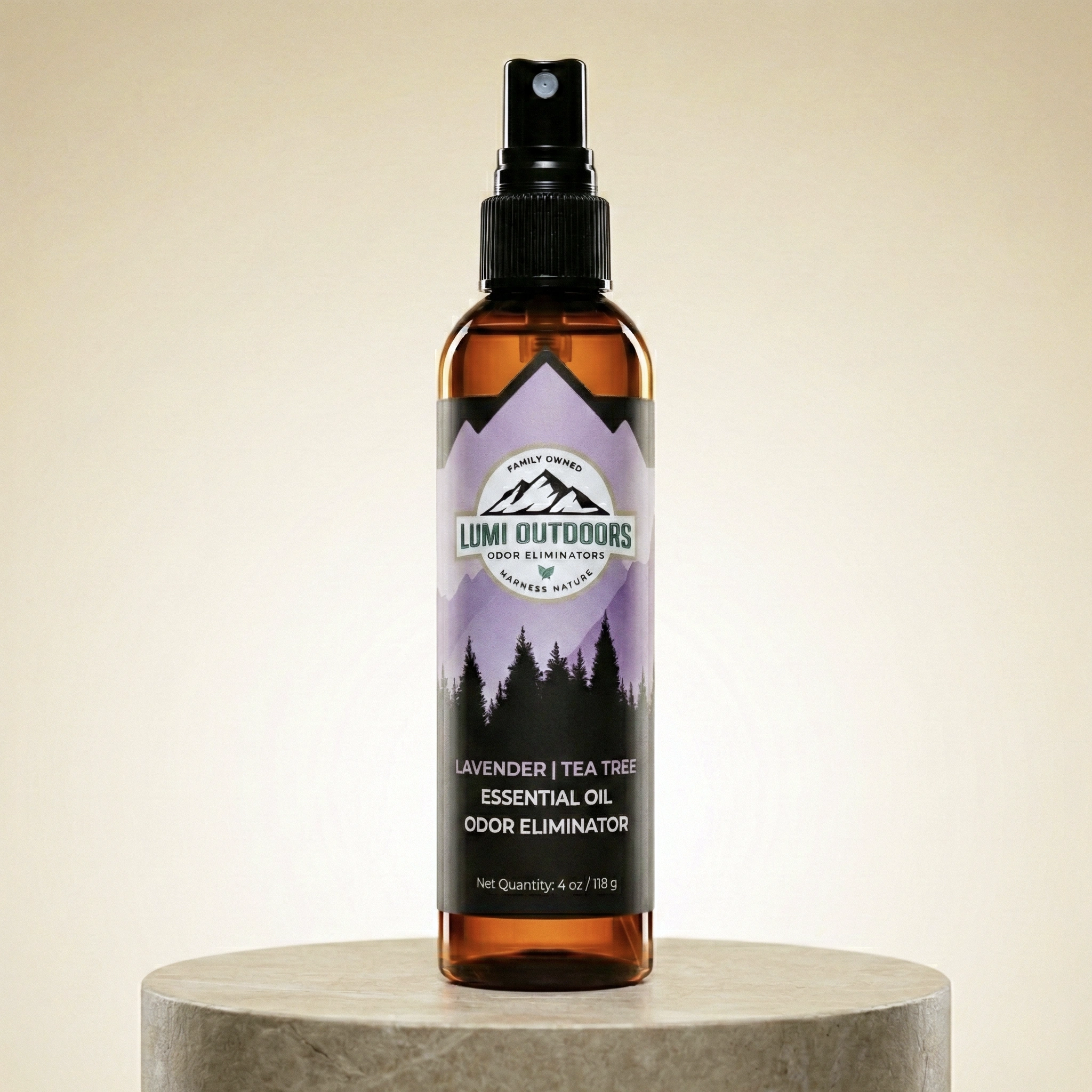
Join 1 Million+ Other People Who Chose Lumi to Conquer Their Shoe Odor.
- DESTROYS ODOR AT THE SOURCE, DOESN'T JUST MASK IT
- ALL-NATURAL & PLANT-BASED INGREDIENTS
- PROUDLY FAMILY-OWNED & MADE IN UTAH
- THE "FRESH CONFIDENCE" GUARANTEE