

5 Fast Tricks to Fix Smelly Jelly Shoes: A 24-Hour Reset Guide
- Ventilation is Non-Existent Plastic shoes don't breathe, so you must manually remove sweat and oils to stop smells.
- The pH Balance Trick Acidic white vinegar and alkaline baking soda are the best natural tools for breaking down shoe funk.
- Patience Over Heat A 24-hour air-dry in a shaded area is vital to ensure no moisture remains to feed bacteria.

We’ve all been there. You find the cutest pair of jelly shoes for your toddler, or maybe you snagged a nostalgic pair for yourself. They’re waterproof, easy to clean, and look great with a summer dress. But then, after one afternoon at the park or a humid walk to the store, it happens. You catch a whiff of something... funky. It's that classic, sharp, vinegary "jelly shoe smell" that seems to radiate from the plastic like a heat wave.
Why do these shoes turn into little odor factories so fast? Here’s the reality: jelly shoes are made from PVC (polyvinyl chloride). While that makes them durable, it also means they don't breathe at all. Your feet sweat, the moisture gets trapped against the plastic, and suddenly you’re hosting a microscopic party you never invited. It's frustrating, especially when you want to keep your home smelling fresh and your family’s gear in good shape.
Why Do Jelly Shoes Smell So Bad So Quickly?
Jelly shoes smell quickly because they are made of non-porous plastic that traps sweat and heat against the skin. This creates a moist environment where odor-causing bacteria thrive without any ventilation to dry the footwear out.
When you wear leather or canvas, the material has tiny pores that allow air to move. Plastic doesn't have that luxury. According to medical experts, the human foot has about 250,000 sweat glands, which can produce a significant amount of moisture in a single day. When that sweat has nowhere to go, it sits on the surface of the shoe. If you don't reset them quickly, the odor becomes part of the shoe itself.
If you want to stop the moisture before it starts, you need a heavy-duty absorber. You don't need a chemistry degree to fix this. You just need a solution that actually works without ruining the plastic.
What You'll Need
- White Vinegar
- Microfiber Cloth
- Extra Strength Shoe Deodorizer Spray Check Price →
- Baking Soda
Can You Wash Jelly Shoes in the Dishwasher?
You can wash most jelly shoes in the dishwasher on a cold, delicate cycle without detergent, but high heat must be avoided as it can melt or warp the PVC material. Air drying in a shaded, well-ventilated spot is the only safe way to finish the process.
I know it sounds tempting to just toss them in with the dinner plates, but hold on a second. While the dishwasher is great for knocking off surface dirt, the "heated dry" setting is the enemy of jelly shoes. I once saw a pair of kids' sandals come out looking like a Salvador Dalí painting because the water was too hot. If you go this route, stick to the top rack and make sure the machine is set to the coolest possible temperature. Even then, a manual soak is usually safer and just as fast.
If you're worried about damaging the shape of your shoes, you might find that 3 simple steps to deodorize your footwear without a wash is a much better path for your more delicate pairs.
What Are the Five Fast Tricks to Fix Smelly Jelly Shoes?

The five fastest ways to fix smelly jelly shoes are a white vinegar soak, a baking soda paste scrub, using a high-potency natural spray, a microfiber wipe-down with soap, and a full 24-hour air-out in the shade. These methods neutralize odors and remove the film of sweat that feeds bacteria.
To get into the tiny crevices of textured jelly shoe footbeds, use a soft-bristled toothbrush with your baking soda paste. The bristles reach the microscopic spots where sweat hides that a regular cloth simply can't touch.
1. The White Vinegar Deep Soak
Vinegar is a parent’s best friend. Mix one part white vinegar with two parts cool water in a bucket or your sink. Submerge the shoes for about 30 minutes. The acidity helps break down the oils from your skin and the "biofilm" that builds up on the plastic. After the soak, rinse them thoroughly with fresh water. You'll smell like a salad for a minute, but once they dry, both the vinegar smell and the funk will be gone.
2. The Baking Soda Scrub
For shoes that have a "sticky" smell, baking soda is key. Make a thick paste using baking soda and a little bit of water. Use a soft brush or a cloth to rub this paste into the footbed. Let it sit for 15 minutes. Baking soda is a natural deodorizer that pulls smells right out of the plastic surface. Rinse it off, and you'll notice a massive difference.
3. Use an Extra Strength Spray
Sometimes you don't have time for a soak. This is where a high-quality product like the Extra Strength Shoe Deodorizer Spray comes in. Because jelly shoes don't absorb liquid, you want a spray that uses natural oils to neutralize the scent on contact. A quick mist of lemon and eucalyptus oil can turn a "locker room" smell into a "spa" smell in seconds. It's the easiest way to keep up with active kids who are constantly kicking their shoes off in the entryway.
4. The Microfiber Wipe-Down
Keep a microfiber cloth and some mild dish soap handy. Every time you or your kids take off your jelly shoes, give the inside a quick wipe. This removes the fresh sweat before it has a chance to settle and start smelling. It takes ten seconds but saves you a huge headache later in the week. Unlike paper towels, microfiber actually grabs the grime rather than just pushing it around.
5. The 24-Hour "Shadow" Dry
Air is the best medicine, but there’s a catch: don't leave jelly shoes in direct, scorching sunlight. Intense UV rays can make some plastics brittle or cause the colors to fade. Instead, find a breezy, shaded spot. Let them sit for a full 24 hours. Most people put their shoes back on too soon while there's still a hint of moisture left. Patience is the secret trick here.
Is Baking Soda Safe for Plastic Footwear?
Baking soda is completely safe for plastic footwear like jelly shoes and won't cause any degradation or discoloration to the PVC material. It acts as a gentle abrasive to remove dirt and a pH neutralizer to stop odors.
I've used baking soda on everything from expensive work boots to cheap beach sandals. It’s one of the few things that is tough on smells but gentle on materials. Just make sure you rinse it all out. If you leave a powdery residue behind and then put the shoes on with sweaty feet, you’ll end up with a gritty paste that isn’t very comfortable. If you’re dealing with more technical shoes, like if you're trying to safely deodorize Hoka Clifton 9s, you have to be more careful with the foam, but for jellies? Scrub away.
We compared our natural spray against the big-brand aerosols. The difference isn't just in the smell—it's in the chemistry.
| Feature | Lumi Outdoors Sprays | Standard Aerosol Sprays |
|---|---|---|
| Ingredient Base | Plant-based essential oils | Harsh chemicals and butane |
| Odor Strategy | Neutralizes at the source | Masks with heavy perfumes |
| Scent Quality | Natural Lemon/Eucalyptus | Artificial 'New Car' or 'Floral' |
How Do You Prevent Odor in Jelly Shoes Long-Term?

To prevent long-term odor, always wear "no-show" cotton socks if the style allows, and apply a natural foot powder before putting the shoes on to absorb moisture at the source. Storing shoes in an open-air rack rather than a closed closet also prevents the buildup of stale air.
The best way to fix a smell is to never let it start. I know, socks with jelly shoes aren't always the "look," but even a thin liner can act as a barrier. If socks are a no-go, try the Natural Foot Powder and Extra Strength Shoe Deodorizer Spray combo. You put the powder on your feet to keep them dry, and use the spray as a backup. It’s a total system for people who live in their summer shoes.
Another tip: don't wear the same pair two days in a row. They need time to fully "off-gas" and dry out. If you rotate between two pairs, you’ll find that neither of them ever gets that deep, embedded stink that’s so hard to remove. This is especially true for professionals in demanding jobs where you're on your feet all day—giving your footwear a "rest day" is the best thing you can do for the life of the shoe.
Is the natural route perfect? Mostly, but it does require consistency. Here's the honest breakdown:
- No harsh chemicals or toxic aerosols
- Works on the toughest plastic odors
- Extends the life of expensive summer shoes
- Requires consistent use for best results
- Initial scent is strong (but fades to fresh)
At the end of the day, keeping jelly shoes fresh isn't about magic—it's about staying ahead of the moisture. Whether you're using a vinegar soak once a month or a quick spray of the Natural Citrus Tea Tree Shoe Deodorizer Spray every evening, your nose (and your houseguests) will thank you. You don't have to get rid of your favorite summer shoes just because they've started to smell. With these five tricks, you can reset them in 24 hours and get back to enjoying the sunshine.
Ready to eliminate that jelly shoe funk for good?
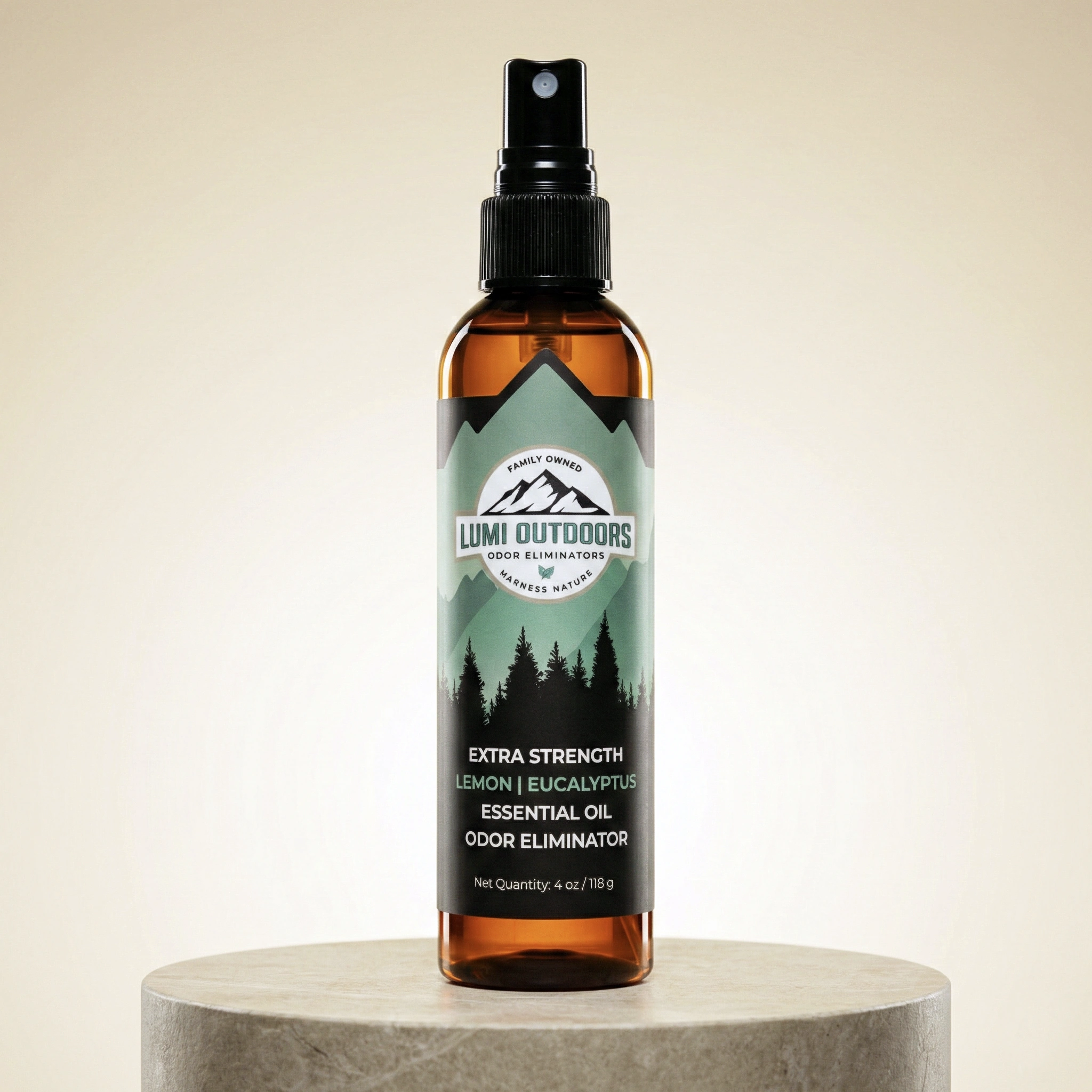
Join 1 Million+ Other People Who Chose Lumi to Conquer Their Shoe Odor.
- DESTROYS ODOR AT THE SOURCE, DOESN'T JUST MASK IT
- ALL-NATURAL & PLANT-BASED INGREDIENTS
- PROUDLY FAMILY-OWNED & MADE IN UTAH
- THE "FRESH CONFIDENCE" GUARANTEE
2 comments
That smell is off-gassing from the PVC itself — plasticizers and residual manufacturing chemicals — not bacterial foot odor, so a deodorizer won’t really help here. What actually works:
1. Wash them inside and out with warm water and a drop of dish soap, then rinse well.
2. Air-dry in direct sunlight for a full day. UV breaks down the VOCs causing the smell faster than anything else you can do.
3. If any smell lingers, fill them with baking soda overnight and dump it out in the morning.
Most jellies are noticeably better after one sun cycle and fully aired out within a week of normal wear.
Do you have any tips for brand new jelly shoes out of the box that smell like chemicals (like that skunk smell)? I have not worn them. They’re just so smelly right out of the box as a new shoe. I can’t bring myself to wear them.