
Never Use This in a DIY Fencing Shoe Deodorizer
- Avoid Oils Carrier oils like coconut or olive oil create a dangerous slippery film on fencing shoes.
- No Machines Washing machines can warp specialized fencing soles and dissolve technical adhesives.
- Targeted Spray Applying deodorizer deep into the toe box keeps the outside of the shoe dry and grippy.

If you've ever stepped into a fencing club, you know that smell. It’s a heavy mix of old sweat, humid air, and gear that hasn't seen the sun in months. But nothing holds onto that "funk" quite like fencing shoes. They’re expensive, they’re specific, and frankly, they’re a nightmare to keep fresh.
You’ve probably looked up a DIY fencing shoe deodorizer recipe to save some cash. Maybe you saw a Pinterest pin suggesting a mix of essential oils or a "natural" concoction. But here is the thing: what works for a pair of casual loafers can be downright dangerous on a fencing strip. One wrong ingredient can turn your high-performance footwear into ice skates.
Why Do Fencing Shoes Smell So Much Worse Than Regular Sneakers?
Fencing shoes develop intense odors because they are often made from synthetic, non-breathable materials that trap sweat against the foot during high-intensity bouts. This moisture stays locked inside the dark, warm environment of your gym bag, allowing odor-causing particles to thrive.
Think about a typical practice. You’re in a full suit, moving explosively for two hours. Your feet are working overtime, and all that heat has nowhere to go. Unlike running shoes that often have mesh tops, many fencing shoes—like the ones used for epee or foil—are reinforced for durability. This means they don't "breathe" well.
When you toss those damp shoes into a bag and zip it up, you’re basically creating a laboratory for smells. If you don't treat them immediately, that scent settles into the fabric and the foam. Before you know it, you’re the person at the club whose bag everyone tries to avoid standing next to. It's embarrassing, and let's be honest, it's a bit distracting when you're trying to focus on a counter-parry.
But the real frustration starts when you try to fix it. You want something natural because you don't want harsh chemicals touching your skin, but you need something that actually works. Most people turn to the kitchen cupboard, but that's where the trouble begins.
What You'll Need
- Microfiber Cloth for Sole Wiping
- Rubbing Alcohol (70% Isopropyl)
- Extra Strength Shoe Deodorizer Spray Check Price →
- Distilled Water
What Should You Never Put in a DIY Fencing Shoe Deodorizer?

You should never include carrier oils, such as coconut, olive, or jojoba oil, in a DIY fencing shoe deodorizer because they leave a permanent, slick residue on the soles. These oils destroy the traction required for safe lunging and footwork on the metallic fencing strip.
Fencing is a game of millimeters. Your lead foot needs to grab the floor the instant you lunge. If there is even a hint of oil on your shoe, you’re going to slide. I’ve seen fencers try "natural" recipes that used coconut oil as a base for essential oils. They sprayed it inside, some drifted onto the sole, and the next day they were slipping all over the place. It isn't just annoying; it’s a fast way to pull a hamstring or roll an ankle.
And it isn't just oils. Avoid thick, "gloopy" ingredients like hair conditioner or heavy fabric softeners. These might smell nice for a minute, but they attract dirt. That dirt turns into a gritty paste on the bottom of your shoes, which ruins the rubber's ability to grip the strip. If you’ve invested hundreds of dollars in high-end shoes, you don't want to turn them into safety hazards.
Instead of risking a DIY disaster, many parents of athletes find that a dedicated, professional-grade natural solution is much safer. The Extra Strength Shoe Deodorizer Spray is specifically designed to tackle the toughest smells without leaving a greasy film. It’s a huge relief to know your kid isn't going to slide across the venue during their first tournament of the season.
If your fencing shoes are already 'crunchy' from dried sweat, don't just spray them. Use a cool-setting hairdryer to blow out dust and salt crystals from the inside before applying a natural deodorizer. This opens up the fabric fibers so the spray can actually reach the source of the smell.
What Is the Best Way to Apply Deodorizer Without Ruining Traction?
The safest way to apply any deodorizer to fencing shoes is to spray the interior only and immediately wipe down the rubber soles with a dry microfiber cloth. This ensures that no mist or residue settles on the tread, preserving the grip you need for explosive movement.
Precision is everything. When you use a spray, don't just aim wildly at the shoe. Stick the nozzle deep into the toe box—that's where the worst of the smell lives anyway. Give it a few good pumps, then let it sit. If you're worried about the spray drifting, you can actually spray a paper towel until it's damp and stuff that into the shoe overnight.
Here’s a trick I’ve used for years: after you spray, set your shoes on their side or upside down. This prevents any liquid from pooling in the heel and potentially leaking through the seams onto the sole. If you're dealing with serious moisture, you might want to look into proactive tips for athletes to keep things dry from the start.
If you're using a powder, be even more careful. Powder is great for absorbing sweat, but if it gets on the floor, the fencing strip becomes a skating rink. Always apply powder over a towel or outside, and shake out the excess before you ever put the shoes on. For a system that handles both the spray and the powder side of things, the Natural Foot Powder and Extra Strength Shoe Deodorizer Spray bundle is a smart move for anyone who fences three or more times a week.
| Feature | Extra Strength Shoe Deodorizer Spray | DIY "Pinterest" Recipes |
|---|---|---|
| Slip-Free Guarantee | Zero-residue formula safe for strips | Often contains oils that cause sliding |
| Odor Elimination | Plant-based essential oils destroy smells permanently | Masks smells with heavy scents |
| Application Speed | Spray and go in 5 seconds | Requires mixing and measuring |
| Material Safety | PH-balanced for synthetic footwear | Vinegar can degrade shoe adhesives |
What Is the Best DIY Fencing Shoe Deodorizer Recipe?

A safe DIY recipe for fencing shoes consists of 70% isopropyl alcohol and distilled water in a 1:1 ratio, flavored with a few drops of pure peppermint or lemon essential oil. This mixture evaporates quickly and leaves very little residue compared to recipes using vinegars or carrier oils.
Alcohol is the key here. It dries fast, which is exactly what you want. Vinegar is a popular DIY choice, but let's be honest: do you really want your gear to smell like a salad? The smell of warm vinegar in a hot gym is something you won't forget—and not in a good way. Plus, the acidity of vinegar can eventually break down certain glues used in shoe construction.
But even with a good DIY recipe, you might find it just isn't "punchy" enough for that deep-seated fencing funk. Sometimes the plant-based essential oils in professional products are the only thing that can actually break down the odor rather than just covering it up. If you've ever tried to keep leather shoes fresh, you know that balance is everything.
I’ve heard from plenty of people who tried the DIY route for months. They spent money on various oils and spray bottles, only to realize they were just masking the scent. One customer, Sarah, mentioned that her son's fencing bag smelled so bad she had to leave it in the garage. She tried every home remedy she found online. Finally, she tried our Extra Strength spray.
"I was skeptical because we had tried everything, but this actually worked. The smell didn't just 'change' to something else; it actually went away. And most importantly, my son didn't slip on the strip." — Sarah, Verified Buyer
Can You Put Fencing Shoes in the Washing Machine?
No, you should never put fencing shoes in a washing machine as the heat and agitation can warp the specialized soles and dissolve the adhesives that hold the protective overlays together. High heat from a dryer can also shrink the synthetic materials, making the shoes unwearable.
It’s tempting to just toss them in with the towels and hope for the best. But fencing shoes are engineered pieces of equipment. The asymmetrical heels and lateral support structures aren't built to handle the "spin cycle." If you ruin the shape of the shoe, you’re not just out $150; you’re increasing your risk of injury because your foot won't be supported correctly during those lateral movements.
Instead, stick to spot cleaning the outside with a damp cloth and focusing your deodorizing efforts on the inside. If the insoles are removable, take them out! That's where a lot of the moisture hides. Wash the insoles by hand in the sink with a little dish soap, let them air dry completely, and then hit them with some Natural Foot Powder before putting them back in.
Is the natural route perfect? Mostly, but it does require consistency. Here's the honest breakdown:
- Completely eliminates the 'locker room' smell from gym bags.
- Won't leave slippery residue on metallic or wooden strips.
- Extends the life of expensive fencing footwear.
- Requires consistent application after every practice for best results.
- The natural lemon scent is strong initially (though it fades quickly).
Fencing is a sport of discipline and precision. Your gear should reflect that. Using a DIY recipe that risks your safety on the strip isn't worth the few dollars you might save. Whether you're a competitive fencer or a parent trying to manage the "gym bag cloud," the goal is the same: gear that works and smells like it belongs in a home, not a locker room.
By avoiding oils, focusing on the interior of the shoe, and choosing high-quality natural ingredients, you can extend the life of your shoes and keep your focus where it belongs—on your opponent's next move. Stop the slip, kill the smell, and get back to the strip.
Tired of the fencing funk following you home?
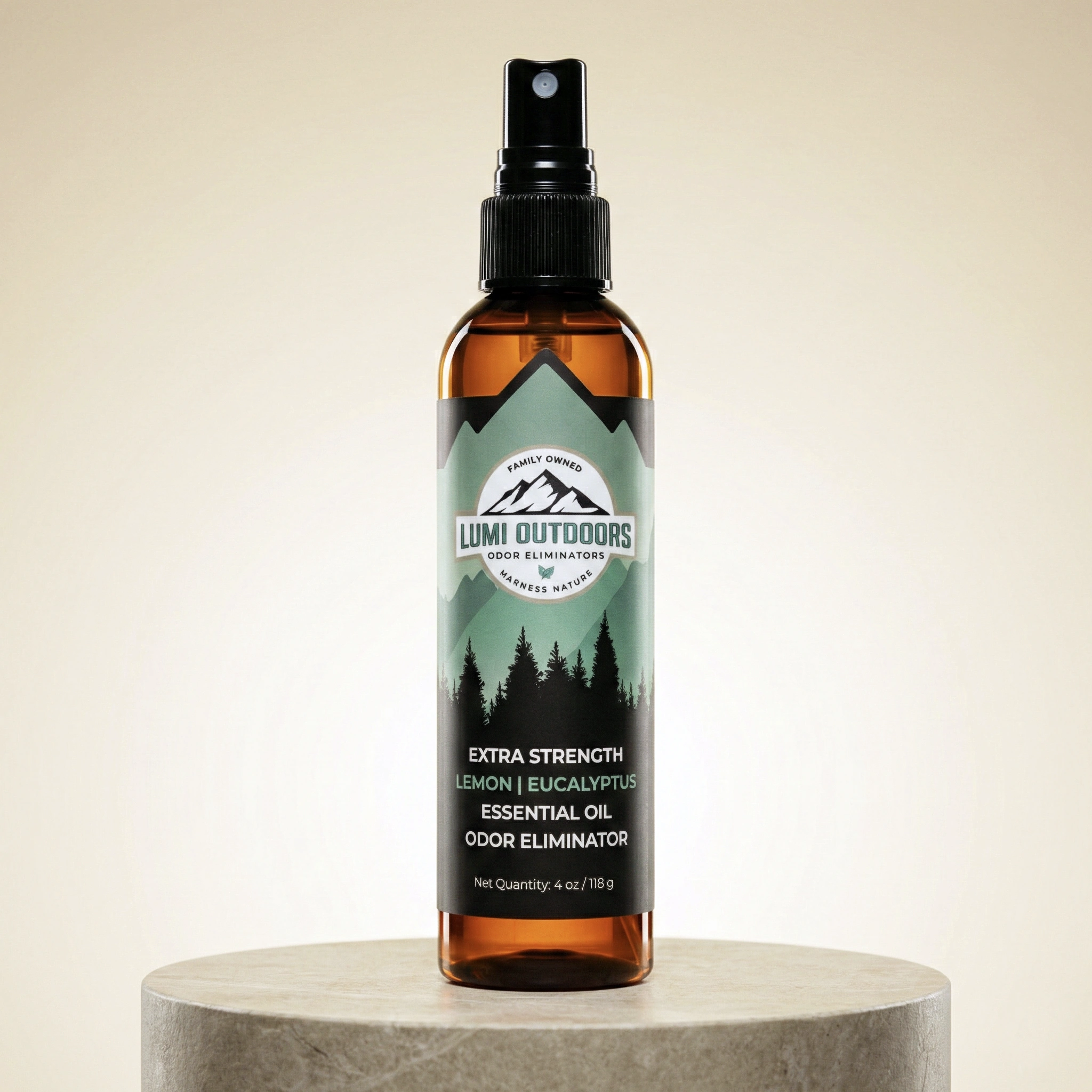
Join 1 Million+ Other People Who Chose Lumi to Conquer Their Shoe Odor.
- DESTROYS ODOR AT THE SOURCE, DOESN'T JUST MASK IT
- ALL-NATURAL & PLANT-BASED INGREDIENTS
- PROUDLY FAMILY-OWNED & MADE IN UTAH
- THE "FRESH CONFIDENCE" GUARANTEE