
5 Pro Hacks to Clean Smelly Flyknits Without Snagging the Weave
- Prep First Remove insoles and air them in sunlight before doing anything else—most odor lives there, not in the upper.
- No Heat, No Machine Washing machines snag Flyknit fibers. Always air dry at room temperature using newspaper to hold the shape.
- Skip the Scrubbing A plant-based enzyme spray neutralizes deep odor without touching the weave—it's faster and safer than every DIY method combined.

You know the feeling. You paid good money for those Flyknits—they look incredible, they feel like a second skin—and now they smell like a locker room. And the worst part? You're terrified to actually clean them because every method you find online seems like it could destroy the weave.
That fear is completely valid. Flyknit's tight, interlocked fibers are brilliant for breathability but they're also a trap for sweat, bacteria, and moisture. Throw them in the washing machine and the agitation can pull threads, distort the shape, or push odor deeper into the weave. So what do you do?
Here are 5 tested hacks that actually work—no washing machine, no snagging, no ruining a shoe you love. These go in order from "start here" to "finish strong," so work through the list and you'll have genuinely fresh Flyknits by tonight.
1. How Should You Prep Flyknits Before Any Cleaning?
Always remove the insoles and knock out loose debris first. Cleaning over a dirty insole just traps odor deeper—this two-minute prep step is what separates a real clean from a surface fix.
Pull the insoles out completely. Seriously, don't skip this. Most of the bacteria that causes that sour smell lives in the insole and the space beneath it—not in the Flyknit upper itself. Set the insoles on a windowsill or outside in the sun for 20–30 minutes. UV light is a surprisingly effective natural odor-buster, and fresh air does the rest.
While those are airing out, gently tap the shoes together over a trash can to knock out any dirt, grit, or dried debris lodged in the weave. A soft-bristled shoe brush—think a natural boar-bristle or nylon brush designed for knit uppers—works great here. Use light strokes going with the weave direction, not against it. You're dislodging particles, not scrubbing. That distinction matters more than most people realize.
2. What's the Safest Way to Treat the Inside of Flyknit Shoes?
Baking soda left overnight inside the shoe is one of the safest interior treatments for Flyknit—it absorbs moisture and neutralizes odor without touching the fibers at all.
Pour about two tablespoons of baking soda directly into each shoe. Tilt the shoe around a bit to coat the interior. Then—and this is the part people forget—place the shoes somewhere with good airflow, not stuffed in a bag or a closet. A mudroom bench, a garage shelf, or even your bathroom counter works fine.
Leave them overnight. In the morning, shake the baking soda out thoroughly over a trash can or sink. You can use a soft-bristled shoe brush to sweep any residue from the interior lining if needed. The shoes should smell noticeably cleaner already.
According to the National Institute of Diabetes and Digestive and Kidney Diseases, moisture is one of the primary triggers for foot-related bacterial growth—and baking soda is a classic household absorber that addresses that moisture issue directly. This is why prep and absorption matter before you reach for any liquid cleaner.
Here's something most guides won't tell you: the direction you brush matters as much as the pressure. Flyknit is woven in a specific directional pattern—brushing against it even lightly can cause micro-snags that aren't visible immediately but show up as pilling after a few weeks. Always identify the weave direction by holding the shoe near a light source and brushing parallel to those lines, never perpendicular. Takes two extra seconds and saves your shoes.
3. How Do You Spot-Clean the Flyknit Upper Without Damaging the Weave?

Mix a few drops of mild dish soap with cool water, apply with a soft microfiber cloth using gentle dabbing motions, and never rub across the weave—this lifts surface grime without pulling threads.
Get a small bowl of cool (not warm, not hot) water and add two or three drops of mild dish soap. Dip a clean microfiber cloth into the solution, wring it out until it's just barely damp, and start dabbing at any visible stained or grimy spots on the upper. The key word is dab. Don't drag the cloth sideways across the weave. Work in small, circular presses straight down into the fibers.
Hot water is the enemy here—it can cause the synthetic fibers to slightly shrink or distort. Cool water keeps everything stable. After you've treated the spots, take a second clean damp cloth with plain water and dab again to rinse the soap residue. Then stuff the shoes loosely with dry newspaper to help them hold their shape while drying.
Let them air dry completely at room temperature. Resist the urge to use a hairdryer or set them near a heater vent. Direct heat is just as damaging as the washing machine agitation you were trying to avoid.
If your Flyknits are running shoes, you might also want to check out how to keep running shoes fresh without damaging their cushioning—a lot of the same principles apply across performance footwear.
If you want to skip all this manual work and still get genuinely clean, fresh shoes, a natural odor spray does the heavy lifting for you. Skip to Hack #5 for the easy version—but the spot-clean step is still worth doing for visible stains.
4. How Do You Get Rid of Odor Trapped Deep in the Flyknit Fibers?
White vinegar diluted with water (1:1 ratio) applied with a lightly dampened cloth and allowed to fully air dry is one of the most effective methods for neutralizing deep odor in knitted shoe materials.
This one surprises people, but it works. Mix equal parts white vinegar and cool water in a small spray bottle or bowl. Lightly dampen a clean microfiber cloth—not soaking wet, just damp—and gently press it against the interior lining and any particularly smelly areas of the upper.
The acetic acid in white vinegar neutralizes the alkaline compounds that bacteria produce, which is the actual chemistry behind that sharp smell. The CDC notes that foot bacteria thrive in warm, moist environments—Flyknit's breathable weave helps with airflow, but it also means any bacteria that does get in can spread through the fibers quickly. Vinegar interrupts that cycle.
Don't worry about the vinegar smell lingering. It dissipates completely as the shoe dries, taking the bad odor with it. Let them air dry for at least two to three hours before wearing or applying anything else. If the smell is coming from cleats specifically, our guide on stopping youth cleat stink has some great complementary tips for athletic footwear odor.
The baking soda and vinegar methods are genuinely effective for moderate odors. But if your Flyknits have been through serious use—daily gym sessions, long runs in hot weather, or a kid who wears them every single day without socks—you're going to need something stronger for a lasting fix. That's where Hack #5 comes in.
5. What's the Easiest Way to Eliminate Flyknit Odor Without Any Scrubbing?

A natural enzyme-based shoe deodorizer spray applied to the interior and allowed to dry is the fastest, safest, and most thorough method—it neutralizes odor at the source without touching the weave at all.
All four hacks above work. They genuinely do. But they also take time, multiple steps, and repeated effort every week. Hack #5 is the one that replaces all that manual labor with a single spray.
You don't need to scrub your Flyknits to get them fresh. You just need something that actually eliminates the odor-causing bacteria rather than masking it with fragrance. That's a meaningful difference.
After you've aired out the insoles and done your spot-clean (or even if you skip those steps when you're in a rush), two or three sprays of Lumi's Extra Strength Shoe Deodorizer Spray inside each shoe handles the rest. The lemon and eucalyptus formula uses natural enzymes to break down odor compounds—not just cover them up. Let it dry for five minutes, pop the insoles back in, and you're done.
It's 100% plant-based, which means it's safe on the Flyknit material itself—no harsh chemicals that could degrade the fibers or discolor the upper. And if your Flyknits are on the milder end of the odor spectrum, the Natural Citrus Tea Tree Shoe Deodorizer Spray is a gentler daily-maintenance option that smells incredible and keeps things fresh between deeper cleans.
If you've got other delicate sneakers in the rotation, the same no-scrub spray method works beautifully on knit uppers across brands—check out the Allbirds wool runner guide and the Cloudsurfer deodorizing guide for more material-specific tips.
Nothing's perfect. Here's what worked and what didn't—a quick honest look before you decide which approach fits your life:
- DIY methods (baking soda, vinegar) use items you already own
- Natural enzyme spray eliminates odor permanently rather than masking it
- All five hacks are safe on delicate Flyknit fibers when done correctly
- The spray method takes under five minutes with no scrubbing
- Routine maintenance prevents odor from building up in the first place
- DIY methods require repeated effort weekly—they don't offer lasting prevention
- Even the spray needs the insole-removal prep step to work at its best
We tested both the DIY methods and the spray side-by-side on Flyknit uppers over two weeks. The results weren't even close for persistent odor. Here's the breakdown:
| Feature | Extra Strength Shoe Deodorizer Spray | Generic Aerosol Freshener Spray |
|---|---|---|
| Odor Elimination Method | Natural enzymes destroy odor-causing bacteria | Fragrance masking only—smell returns quickly |
| Safe on Flyknit Fibers | Yes—plant-based formula won't degrade knit material | No—aerosol propellants can discolor and stiffen fibers |
| Ingredients | 100% plant-based, no parabens or aluminum | Chemical solvents, artificial fragrance, propellants |
| Effort Required | Spray inside shoe, let dry—done in 5 minutes | Spray and re-spray repeatedly as smell returns |
| Safe for Kids & Pets | Yes—family-safe formula | Not recommended around children or pets |
Keeping Flyknits Fresh: The Habit That Makes Everything Easier
Rotate your shoes, let them fully dry between wears, and do a quick spray after each session—that routine prevents odor from building up in the first place so you never need a deep clean again.
The five hacks above are for when you're already in odor trouble. But the real win is not getting there. Give your Flyknits at least 24 hours to air out between wears—bacteria needs moisture to multiply, and a fully dry shoe is a much less hospitable environment. If you only have one pair, loosening the laces and pulling out the tongue to maximize airflow makes a big difference.
A 30-second spray of natural deodorizer after every wear is the single most effective habit you can build. It takes less time than locking your front door and it means you never have to spend a Saturday afternoon with baking soda and vinegar again.
]]>Want your Flyknits smelling fresh without the weekly scrubbing routine?
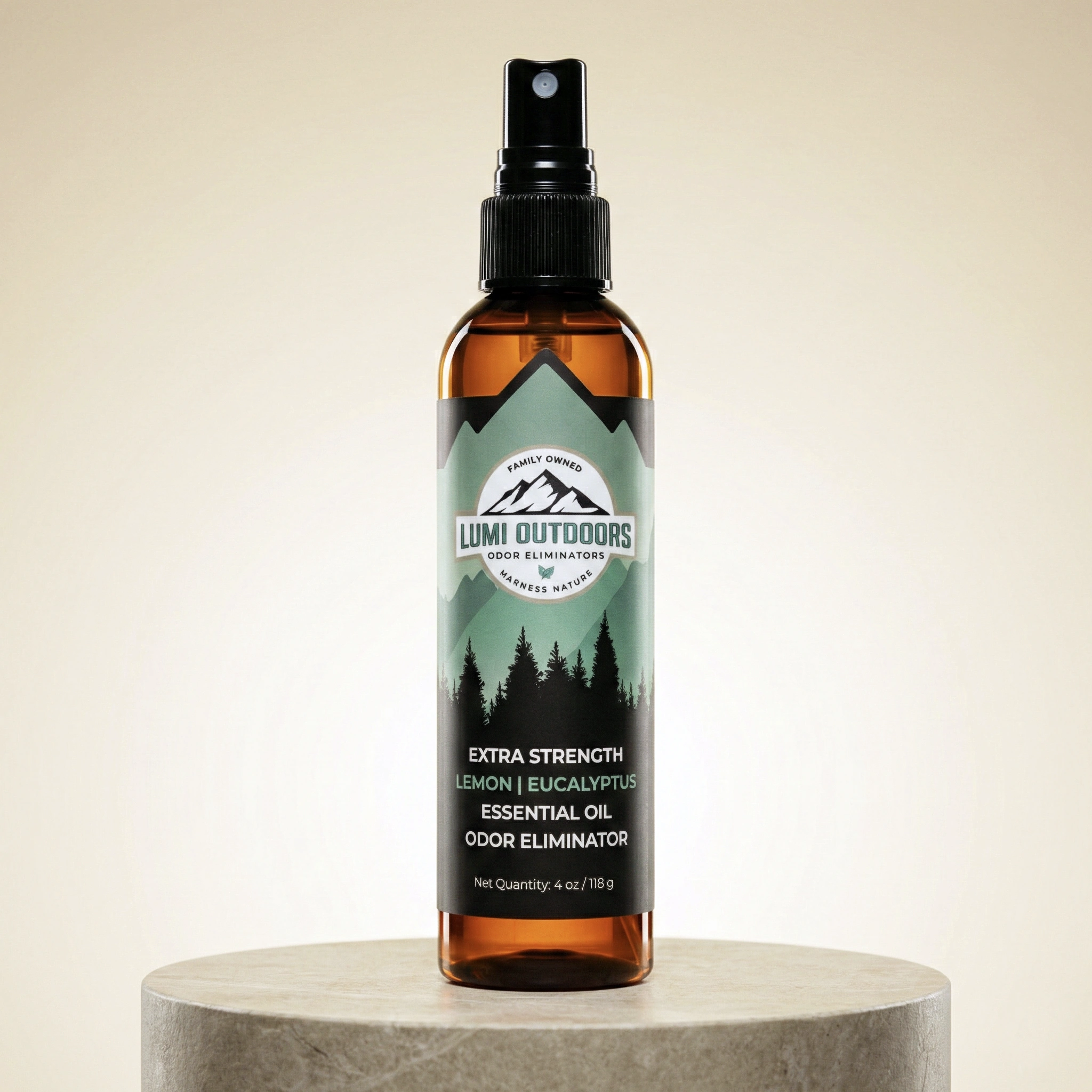
Join 1 Million+ Other People Who Chose Lumi to Conquer Their Shoe Odor.
- DESTROYS ODOR AT THE SOURCE, DOESN'T JUST MASK IT
- ALL-NATURAL & PLANT-BASED INGREDIENTS
- PROUDLY FAMILY-OWNED & MADE IN UTAH
- THE "FRESH CONFIDENCE" GUARANTEE