
The 4 Best Pickleball Shoe Deodorizing Hacks
- Avoid the Machine Washing machines destroy the glue and cushion needed for court stability.
- Natural Power Essential oils and cedar provide lasting freshness without harsh chemicals.
- Dryness is Key Using newspaper or powder to pull moisture out is the most effective way to stop odors.

You know that specific, eye-watering scent that hits you the moment you unzip your gym bag after a two-hour session on the court? It’s not just "sweat." It’s the smell of a hard-won victory mixed with the reality of synthetic mesh and high-intensity lateral movement. Pickleball is amazing for the heart, but it’s a nightmare for your footwear. If you’ve ever felt embarrassed to take your shoes off at a friend's house after a match, you aren’t alone. We’ve all been there, standing in the mudroom hoping the draft carries the scent away before anyone notices.
The good news is that you don't have to toss your expensive court shoes every three months. Most people think they need harsh chemicals or a trip through the washing machine to fix the funk, but those usually do more harm than good. I’ve spent years trial-and-erroring every trick in the book to keep my family's gear from smelling like a locker room, and I’ve found that the best methods are actually the simplest ones. It’s all about moisture management and choosing the right natural tools for the job.
Why Do Pickleball Shoes Smell So Much Worse Than Regular Sneakers?
Pickleball shoes smell worse because the high-intensity lateral movement causes excessive foot sweat, which gets trapped in the thick padding and synthetic materials required for court stability. This warm, damp environment allows odor-causing particles to thrive and deeply embed themselves in the shoe's lining.
When you’re playing pickleball, your feet are doing a lot of work. You’re sprinting to the kitchen, lunging for volleys, and pivoting constantly. All that friction creates heat. Most court shoes are built with sturdy materials to protect your ankles, which is great for your joints but terrible for airflow. Since the sweat has nowhere to go, it sits in the fabric. If you've ever wondered why scrubbing doesn't work, it’s because the odor isn’t just on the surface; it’s moved into the very foam of the sole.
Here’s the thing: most of us finish a match, throw our shoes in a dark bag, and leave them in the trunk of the car. That’s like building a five-star hotel for odors. Without light and air, those smells just settle in and get cozy. By the time you pull them out for your next game, the scent has intensified. If you want to break the cycle, you have to change how you treat your shoes the second you step off the court.
If you want to stop the moisture before it starts, you need a heavy-duty absorber. This is the one we keep by the door:
What You'll Need
- Old Newspaper
- Cedar Shoe Trees
- Natural Foot Powder and Extra Strength Shoe Deodorizer Spray Check Price →
- Old Toothbrush
Can You Put Pickleball Shoes in the Washing Machine?
No, you should never put pickleball shoes in the washing machine because the heat and agitation can break down the specialized glues and cushioning systems essential for court performance. Instead, spot clean the exterior and use natural deodorizing methods for the interior to preserve the shoe's structural integrity.
I know it’s tempting. You think, "I'll just throw them in on a cold cycle and they'll be as good as new." But here is what actually happens: the water saturates the midsole foam, often causing it to lose its "bounce." For a sport that relies on quick starts, losing that cushion is a recipe for sore knees. Plus, the heat from a dryer—even a low one—can warp the rubber outsole, meaning you lose that precious grip on the court. And trust me, nobody wants to slide during a deep lob.
Instead of the "drown and dry" method, try focusing on the "dry and refresh" method. If your shoes are actually muddy, use an old toothbrush and a tiny bit of mild soap to scrub the outside. For the inside, you need to focus on drawing moisture out rather than adding more water to the mix. It takes a little more patience, but it will save you from having to buy a new $120 pair of shoes every season.
What Are the Best Natural Hacks for Smelly Shoes?

The most effective natural hacks include stuffing shoes with crumpled newspaper to absorb moisture, using cedar shoe trees to neutralize odors with natural oils, and placing shoes in direct sunlight to allow UV rays to naturally refresh the materials. These methods focus on removing the dampness that allows odors to linger.
If you’re looking for a quick fix with things you already have at home, start with the "Newspaper Tuck." Take some old Sunday circulars, crumple them up tightly, and shove them all the way into the toes of your shoes right after you play. The paper acts like a giant sponge, pulling the sweat out of the fabric. It’s a classic move that still works better than most high-tech gadgets. Just make sure to swap the paper out after a few hours if the shoes were really soaked.
Another favorite in our house is the "Cedar Trick." Cedar isn't just for fancy closets; it’s a powerhouse for shoes. Cedar shoe trees do two things: they help the shoe keep its shape (which prevents those weird toe-crinkles) and they release natural oils that smell incredible. It’s a much more sophisticated scent than the artificial "mountain breeze" sprays you find at the grocery store. Plus, baking soda alone is often a letdown because it can get clumpy and messy, whereas cedar stays clean and effective for years.
If you have a tournament weekend and need to dry shoes fast between matches, use a hairdryer on the 'cool' setting for 5 minutes. Never use heat, as it can melt the specialized court-grip rubber on the soles.
How Do You Prevent Odor Before the Pickleball Match Starts?
To prevent odor before a match, apply a talc-free foot powder to your feet and inside your socks to absorb sweat as it happens. This creates a dry barrier that prevents moisture from soaking into the shoe’s inner lining during play.
Prevention is always easier than a cure. If you can keep the sweat from ever reaching the shoe's fabric, you’ve already won half the battle. This is where a high-quality powder comes in. I’m not talking about the old-school stuff that leaves white clouds everywhere. You want something that feels silky and stays put. By applying it directly to your feet, you’re stopping the moisture at the source. It’s the same logic as putting on deodorant before you go for a run.
You can also look into moisture-wicking socks. Avoid 100% cotton like the plague; cotton just holds onto water and turns your shoe into a swamp. Look for polyester or merino wool blends that "pull" the moisture away from your skin. When you combine the right socks with a solid foot powder routine, you'll notice a massive difference in how your shoes smell after a long tournament day.
I tested our natural approach side-by-side with those big-brand aerosols for a week. Here’s what I found:
| Feature | Lumi Natural Sprays | Standard Grocery Aerosol |
|---|---|---|
| Odor Strategy | Physical Neutralization | Temporary Masking/Perfume |
| Residue | Clean, Non-Greasy Finish | Often Leaves Chalky Powder |
| Scent Profile | Fresh Lemon & Eucalyptus | Artificial 'New Car' or 'Floral' |
What Is the Fastest Way to Deodorize Shoes Overnight?

The fastest overnight method is using a high-concentration natural spray made with essential oils like lemon and eucalyptus, which physically breaks down odor molecules on contact. Spraying the shoes immediately after use and leaving them in a well-ventilated area ensures they are fresh by morning.
Sometimes you don't have three days to let your shoes "air out." You have another match tomorrow morning and you need a solution that works while you sleep. This is where a heavy-duty natural spray becomes your best friend. Look for ingredients like eucalyptus, peppermint, and tea tree oil. These aren't just for "covering up" the smell; they actually help neutralize the environment inside the shoe.
The trick is in the application. Don't just give it a weak spritz. You want to really get in there—tongue, heel, and especially the toe box. Then, the most important part: leave them out. Don't put them back in your bag. Set them by an open window or a vent. The airflow helps the essential oils do their thing, and you'll wake up to shoes that actually smell like a spa instead of a locker room.
Is the natural route perfect? Mostly, but it does require a bit of consistency to get the best results. Here’s the honest breakdown:
- Saves money by making shoes last twice as long.
- Uses zero harsh chemicals or artificial propellants.
- Actually neutralizes the odor instead of just covering it up.
- Requires consistent application after play for best results.
- The natural scent is strong initially (but fades to a clean finish).
At the end of the day, your pickleball shoes are an investment in your health and your hobby. Taking an extra sixty seconds after each match to dry them out and give them a quick refresh with a natural spray will save you a fortune in the long run. No more "stink" in the car, no more "corn chip" feet, and no more throwing away perfectly good gear just because of a little smell. Grab a bottle of Extra Strength Shoe Deodorizer Spray, keep some old newspaper handy, and get back out on the court with confidence.
Tired of your gym bag smelling like a locker room?
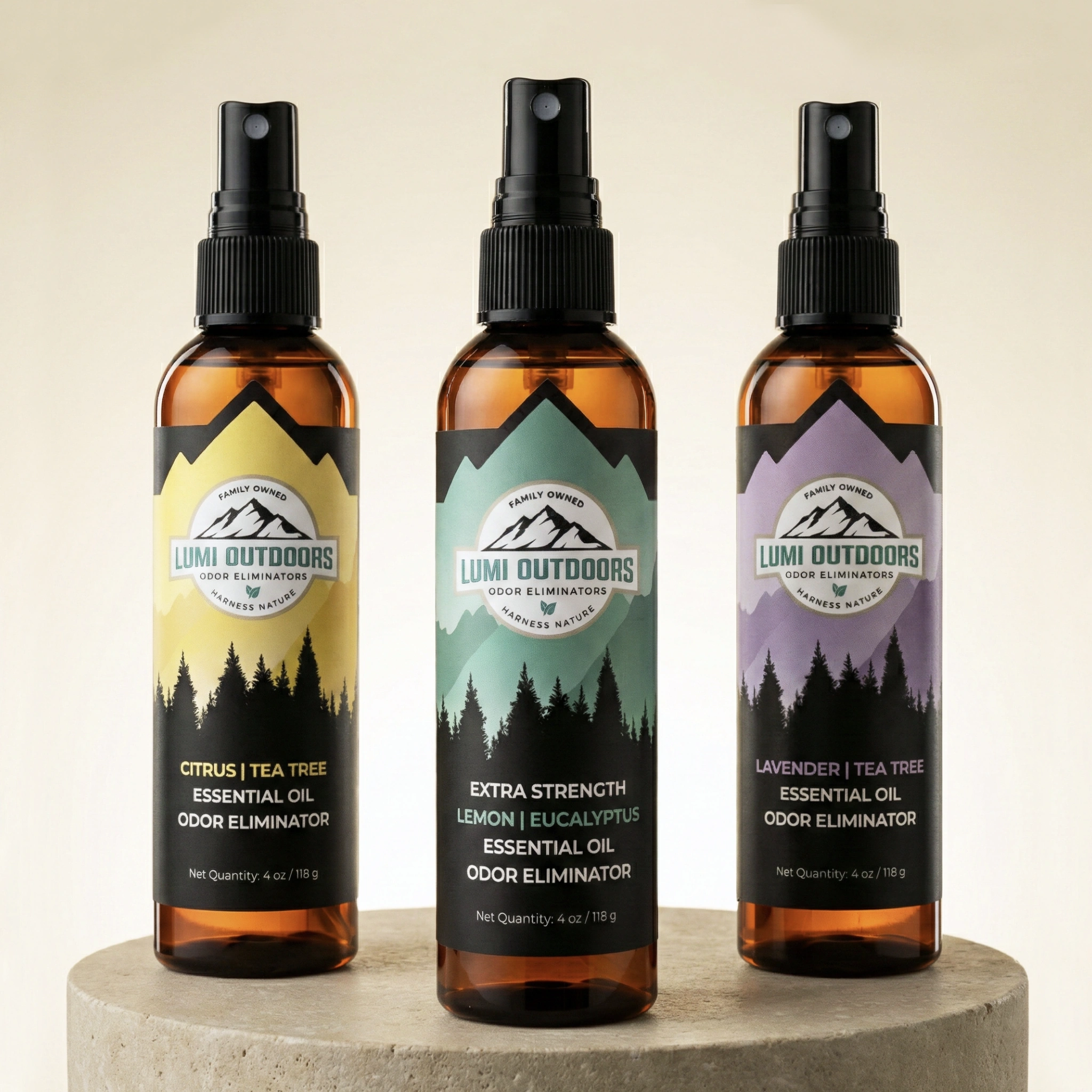
Join 1 Million+ Other People Who Chose Lumi to Conquer Their Shoe Odor.
- THE BEST VALUE: STOCK UP & SAVE
- DISCOVER YOUR FAVORITE SCENT
- PROUDLY FAMILY-OWNED & MADE IN UTAH
- THE "FRESH CONFIDENCE" GUARANTEE