

4 Easy Ways To Fix Smelly Soccer Cleats Forever: The Ultimate Guide
- Avoid Machines High heat and washing machines melt the glues that hold cleats together.
- Moisture is the Enemy Stuffing shoes with paper is the fastest way to pull moisture from deep inside the toe box.
- Prevention is Key Using powder before the game keeps sweat from soaking into the shoe materials.

If you've ever opened a soccer bag in a hot car after a Saturday morning game, you know the feeling. It’s that thick, eye-watering scent that hits you like a physical wall. It isn't just "sweat"—it’s something much more persistent. As a parent who has spent more time on sidelines than I care to admit, I’ve tried everything to save those expensive cleats from the trash bin. You want to save money, keep the house smelling like a home (and not a locker room), and keep your athlete comfortable.
The good news is that those smelly cleats aren't a lost cause. You don't need harsh chemicals or a miracle to fix them. You just need a few simple habits and the right tools. We're going to walk through the four most effective ways to reclaim your mudroom and extend the life of that footwear.
Why Do Soccer Cleats Smell So Bad So Quickly?
Soccer cleats smell quickly because they are often made of synthetic materials that trap moisture and heat, creating a perfect environment for odor-causing microbes to thrive. Unlike leather work boots, cleats have minimal ventilation, meaning sweat stays trapped in the fabric and foam long after the game ends.
When your kid is running miles on a damp field, their feet are essentially taking a steam bath. According to research on bromodosis (the medical term for smelly feet), sweat itself doesn't actually smell. The odor comes from the waste produced by tiny organisms that live on the skin and inside the shoes. These organisms love the dark, damp, and warm interior of a cleat.
Because soccer shoes are built for performance and "touch" on the ball, they are often tight-fitting. This lack of airflow is the real culprit. If you just toss those damp cleats into a gym bag and zip it up, you’re basically building an incubator for smells. This is why we need to focus on moisture management first. You might even notice that your feet smell like corn chips—that's a specific sign that things have gotten out of hand.
You don't need a chemistry degree to fix this. You just need a system that works as hard as your kid does on the field.
What You'll Need
- Newspaper for stuffing
- Old toothbrush for scrubbing
- Natural Foot Powder and Extra Strength Shoe Deodorizer Spray Check Price →
- Mesh laundry bag for insoles
Can You Wash Soccer Cleats in the Washing Machine?

No, you should never put soccer cleats in the washing machine because the high heat and agitation can melt the adhesives holding the sole to the upper and warp the synthetic materials. The best way to clean them is by hand using a soft brush, warm water, and mild soap.
I know it's tempting. You're tired, the cleats are covered in mud, and the washing machine seems like the easy button. But trust me, it’s a fast track to buying a new pair of $150 cleats. The tumbling action can damage the internal structure, and if your machine has a heater, it can ruin the "plate" (the bottom part with the studs).
Here is what you should do instead. Take an old toothbrush and some warm, soapy water. Gently scrub the dried mud off the exterior. If the insoles are removable, pull them out! This is a step most people miss. Those insoles are like sponges for sweat. You can actually put the insoles and the laces into a mesh laundry bag and toss those in the wash with some towels. This gets the "heart" of the smell out without risking the structure of the shoe itself.
Once you’ve scrubbed the outside, wipe them down with a damp cloth. Never, ever put them in the dryer. Heat is the enemy of athletic footwear. It makes the materials brittle and can cause the shoe to lose its shape, leading to blisters for your athlete during the next practice.
For cleats that are already 'deathly' smelly, wipe the interior and the removable insole with a cloth dipped in a little rubbing alcohol before applying your natural spray. This helps break down the oily residue that trapped odors cling to.
What Are the Most Effective Ways to Dry Smelly Soccer Cleats?
The most effective way to dry cleats is to remove the insoles, loosen the laces, and stuff the shoes with crumpled newspaper to absorb moisture from the inside out. Position them in a well-ventilated area away from direct heat sources like radiators or sunlight.
Moisture is the root of all evil here. If you can get those shoes dry within a few hours of the game ending, you’ve won 90% of the battle. **Newspaper** is your best friend. It’s cheap, and it’s incredibly absorbent. Stuff it deep into the toe box where the most sweat accumulates. Change the paper every couple of hours if the shoes are truly soaked from a rainy game.
Another trick is to use airflow. If you have a floor fan, set the cleats in front of it. Moving air evaporates moisture much faster than stagnant air. Some parents swear by "boot dryers," but you have to be careful that they don't use high heat. A simple fan or a breezy porch (out of the sun) works wonders.
You might have heard that baking soda is a great fix, but honestly, it can be a mess. It's abrasive and can get stuck in the seams. While it absorbs some odor, it doesn't solve the underlying moisture problem as well as newspaper or a dedicated moisture-wicking powder.
I tested our natural spray against the big-brand aerosols for a month during the spring season. The difference isn't just in the smell—it's in the chemistry. The big brands just layer a fake "fresh linen" scent over the funk. Our solution actually tackles the problem.
| Feature | Lumi Natural Shoe Deodorizer | Big-Brand Aerosol Sprays |
|---|---|---|
| Ingredient Base | Essential Oils & Plant Extracts | Alcohol & Synthetic Fragrance |
| Odor Action | Neutralizes at the Source | Masks with Heavy Perfume |
| Eco-Friendly | Non-Aerosol, Recyclable Bottle | Aerosol Propellants |
How Can You Prevent Cleat Odor Before the Game Starts?

Preventing cleat odor starts with keeping the feet dry by using moisture-wicking socks and applying a high-quality foot powder before putting on the shoes. This absorbs sweat at the source before it can soak into the fabric of the cleats.
If you wait until the shoes smell, you're playing defense. You want to play offense. The most successful athletes (and their parents) know that moisture control is a 12-hour job. Applying a natural foot powder directly to the foot and between the toes before the socks go on is the gold standard.
Look for powders that use cornstarch or arrowroot rather than talc. These natural starches are incredibly effective at keeping skin dry. When the foot stays dry, the shoe stays dry. And when the shoe stays dry, the smell never has a chance to start. It’s a simple habit that takes ten seconds but saves you hours of scrubbing later. Plus, it keeps the skin on your athlete's feet healthier, preventing the rubbing and sliding that causes those painful mid-season blisters.
After the game, a quick spray with a natural deodorizer—something with essential oils like peppermint or eucalyptus—will help reset the environment inside the shoe. These oils have natural properties that keep things fresh without relying on synthetic fragrances.
What Is the Best Way to Store Soccer Gear Between Games?
Soccer gear should be stored in an open-air environment with plenty of circulation, never left inside a zipped gym bag or a plastic bin. Hanging the bag open and placing cleats on a rack allows lingering moisture to evaporate and prevents odor buildup.
We've all been guilty of it. The game ends, the gear goes in the bag, the bag goes in the trunk, and it stays there until Tuesday practice. That is a recipe for disaster. As soon as you get home, the cleats need to come out. If you have a mudroom or a garage, that's perfect.
If the smell has already started to creep into the rest of the house, a natural room spray can help clear the air. I’ve found that the Lavender Vanilla Room Spray is a lifesaver for the "gear corner" of our house. It doesn't just mask the smell; it helps the whole area feel clean again.
Is the natural route perfect? Mostly, but it does require consistency. You can't just spray it once every three months and expect miracles. Here is the honest breakdown of what to expect:
- Stops the 'locker room' smell in cars and closets.
- Extends the life of expensive cleats by keeping them dry.
- Made with natural, plant-based ingredients.
- Much cheaper than buying new shoes every mid-season.
- Requires application before and after games for best results.
- The scent is strong initially (though it fades to a clean neutral).
Maintaining soccer cleats doesn't have to be a full-time job. By focusing on drying them out immediately with newspaper, avoiding the heat of the washing machine, and using a proactive system of powder and spray, you can keep those cleats fresh until your kid finally outgrows them. It's better for your nose, better for their feet, and much better for your wallet.
Ready to finally get that locker room smell out of your car? It's time to stop the cycle of stinky gear and start using a system that actually works.
Ready to reclaim your mudroom from stinky soccer gear?
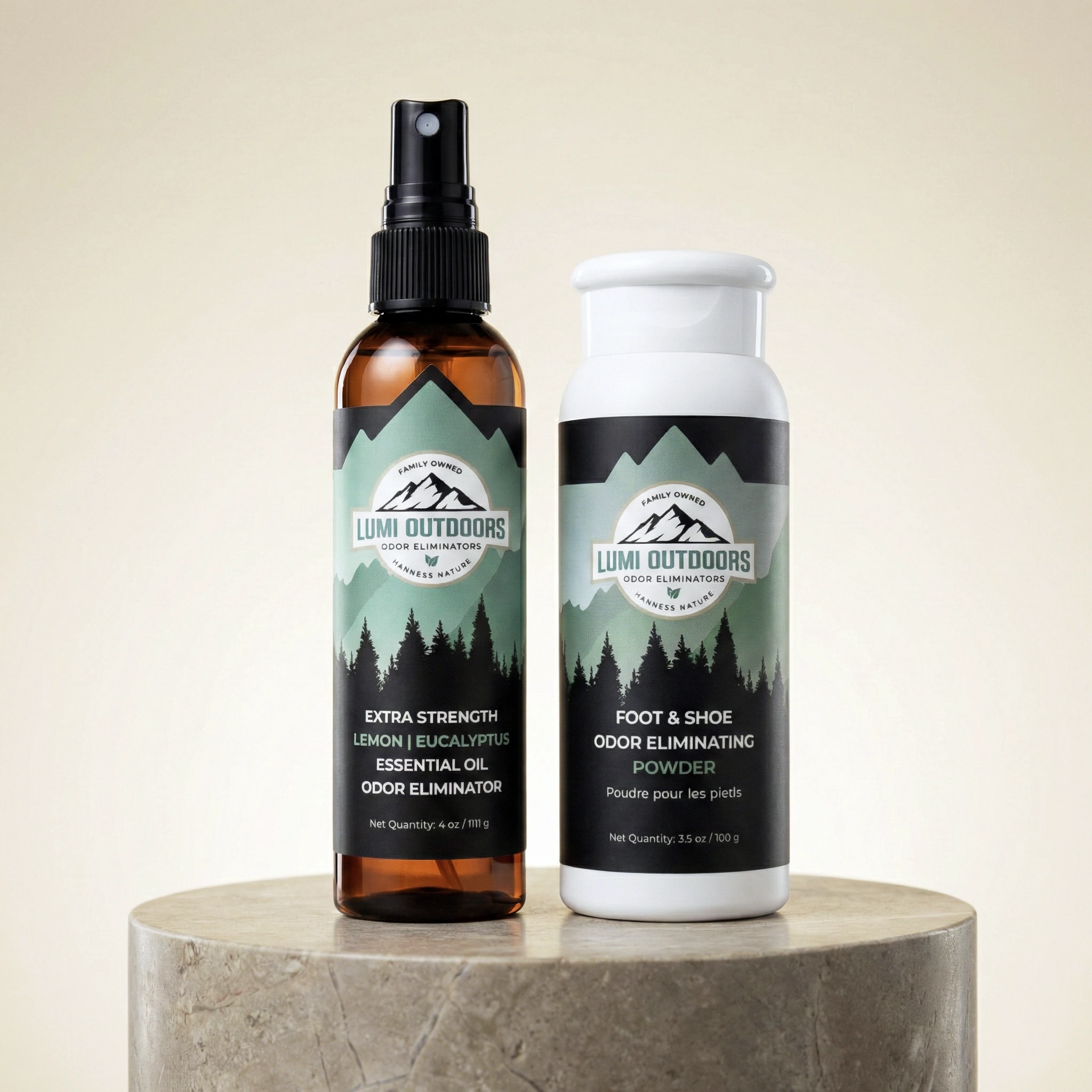
Join 1 Million+ Other People Who Chose Lumi to Conquer Their Shoe Odor.
- THE ULTIMATE 1-2 PUNCH AGAINST ODOR
- A COMPLETE KIT FOR SHOES, BAGS & GEAR
- PROUDLY FAMILY-OWNED & MADE IN UTAH
- THE "FRESH CONFIDENCE" GUARANTEE