
Stop Using Deodorant Sprays: 6 Easy Methods for Fixing Stinky Ski Boots Instead
- Moisture is the Enemy Plastic shells trap sweat, so you must remove liners to allow evaporation.
- Avoid High Heat High heat from radiators or dryers ruins expensive foam and custom molding.
- Natural Beats Synthetic Essential oil sprays work better than aerosols because they break down odors.

You know that smell. It’s the one that hits you like a physical wall when you open the trunk after a long weekend at the lodge. It’s a mix of wet dog, old gym socks, and something else you can’t quite name but definitely don’t want in your car. If you’re the person in charge of the gear in your house, you’ve probably reached for a can of grocery-store air freshener more than once. But here’s the thing: those heavy, floral-scented aerosols usually just sit on top of the stink. They don't fix the problem; they just create a weird, "mountain breeze" scented funk.
Most of us were taught to just spray and pray. But ski boots are different from your running shoes. They have thick foam liners, hard plastic shells, and nowhere for moisture to go. When you sweat into them for six hours, that moisture gets trapped. If you don't get it out, you’re basically inviting the smell to move in permanently. If you want to stop the moisture before it starts, you need a heavy-duty absorber. This is the one we keep by the door:
What You'll Need
- Old Newspaper
- Microfiber Cloth
- Extra Strength Shoe Deodorizer Spray Check Price →
- Cedar Chips or Sachets
Why Do Ski Boots Smell So Bad After a Long Day?
Ski boots smell because sweat and skin cells get trapped inside the foam liners, where the lack of airflow creates a warm, damp environment for odor-causing organisms to thrive. Without proper drying, this moisture stays locked deep in the material, leading to a persistent and worsening funk.
Think about it: your feet have about 250,000 sweat glands. When you’re working hard on the slopes, those glands are in overdrive. In a normal shoe, some of that moisture can evaporate. In a ski boot? It's sealed inside a plastic coffin. According to Wikipedia's breakdown of ski boot construction, the liners are often made of closed-cell foam or EVA, which is great for warmth but terrible for breathability. This is why your boots still feel damp the next morning if you leave them in the garage.
Can You Wash Ski Boot Liners in the Machine?
No, you should never put ski boot liners in a washing machine because the heat and agitation can destroy the custom foam shape and internal structure. The best way to clean them is by hand using a mild soap and cold water, then letting them air dry completely.
I’ve seen people try the "delicate cycle" only to have their expensive heat-molded liners come out looking like a crumpled mess. It's a fast way to ruin a $500 pair of boots. If the smell has reached a "nuclear" level, pull the liners out of the shells. Fill a tub with cool water and a tiny bit of gentle detergent. Dunk them, give them a light squeeze, and rinse. Don't wring them out like a wet towel—you’ll break the foam. Just let them drip dry. If you’re dealing with other gear too, you might want to check out how to deep clean rain gear to keep the whole mudroom fresh.
If you don't have a boot dryer, use a hairdryer on the cool setting to blow air directly into the toe box for 10 minutes. This forces air into the hardest-to-reach area where moisture loves to hide.
How Do You Dry Ski Boots Fast Without Damaging Them?

To dry ski boots safely, remove the liners from the plastic shells and place them in a well-ventilated room with a dedicated boot dryer or stuffed with plain newspaper. Never use high heat from a radiator or hair dryer, as this can warp the plastic or ruin the heat-molding of the liners.
Newspaper is the old-school secret that actually works. Balley up a bunch of it and shove it down into the toe box. It acts like a giant sponge, pulling the water out of the foam. Change the paper every few hours if the boots are soaked. If you’re a frequent skier, a boot dryer is a solid investment, but make sure it uses "forced air" at a low temperature rather than just high heat. High heat is the enemy of ski gear. It makes the plastic brittle and can actually make the smell worse by "baking" the sweat into the foam.
What Are the Best DIY Ways to Deodorize Ski Boots?

The most effective DIY methods for deodorizing ski boots include using cedar sachets to absorb odors, wiping the interior shells with a vinegar solution, or using an essential oil spray. These methods address the root cause of the smell rather than just masking it with synthetic perfumes.
I tested both side-by-side for a week. Here's what happened:
| Feature | Extra Strength Shoe Deodorizer Spray | Standard Grocery Store Spray |
|---|---|---|
| Odor Elimination | Neutralizes at the source with essential oils | Masks with synthetic perfume |
| Ingredients | 100% plant-based essential oils | Aerosols, parabens, and phthalates |
| Scent Profile | Crisp Lemon & Eucalyptus | Heavy, artificial 'linen' or 'floral' |
I used to swear by the old "baking soda in a sock" trick. While it helps a little, it's messy and doesn't always get deep into the toe area where the real problem lives. Baking soda alone is often a terrible shoe deodorizer because it doesn't actually neutralize the source. Instead, try making little sachets with cedar chips. Cedar smells great and naturally wicks away a bit of moisture. It’s a great way to keep things fresh during the off-season too.
How Can You Prevent Ski Boot Odor Before It Starts?
To prevent odor, always wear clean, moisture-wicking wool or synthetic socks and remove your boot liners to dry after every single use. Preventing sweat buildup from the start is much easier than trying to remove a deep-seated smell later.
Cotton is your enemy here. Cotton socks hold onto sweat like a wet rag, keeping your feet damp and your liners soaked. Switch to a high-quality wool blend. And I know, after a long day of skiing, the last thing you want to do is fiddle with your boots. But taking sixty seconds to pull those liners out and set them by a vent makes all the difference. If you've ever wondered why your feet smell like corn chips, it’s usually because that moisture stayed trapped for too long.
Is There a Natural Way to Get Rid of Stubborn Boot Smells?
Yes, natural sprays using essential oils like lemon, eucalyptus, and peppermint are highly effective because they break down odor molecules instead of masking them. These sprays provide a powerful clean without the respiratory irritation caused by synthetic aerosols.
Here’s the thing: you don't need harsh chemicals to get results. In fact, many people find that natural oils work better because they actually "eat" the odor rather than just covering it up. When you use something like the Extra Strength Shoe Deodorizer Spray, you're getting a concentrated blast of plant power. It won't leave that weird "chemical" after-scent that lingers in your nose for hours. Plus, it’s a lot easier than hand-washing liners every week.
Is the natural route perfect? Mostly, but it does require consistency. Here's the honest breakdown:
- Actually eliminates odors instead of masking them
- Safe for expensive heat-molded liners
- Pleasant, natural scent that doesn't linger in a bad way
- Works on all athletic gear, not just boots
- Requires a few hours to dry completely after application
- Bottle is slightly larger than travel-size aerosols
At the end of the day, keeping your ski gear fresh is all about managing moisture. Whether you're a weekend warrior or hitting the slopes every day, these habits will save your nose—and your wallet. Don't wait until the smell is so bad you have to throw the boots away. Start with a good drying routine, grab a bottle of natural spray, and enjoy the fresh mountain air the way it was meant to be smelled.
Ready to end the ski boot stink for good?
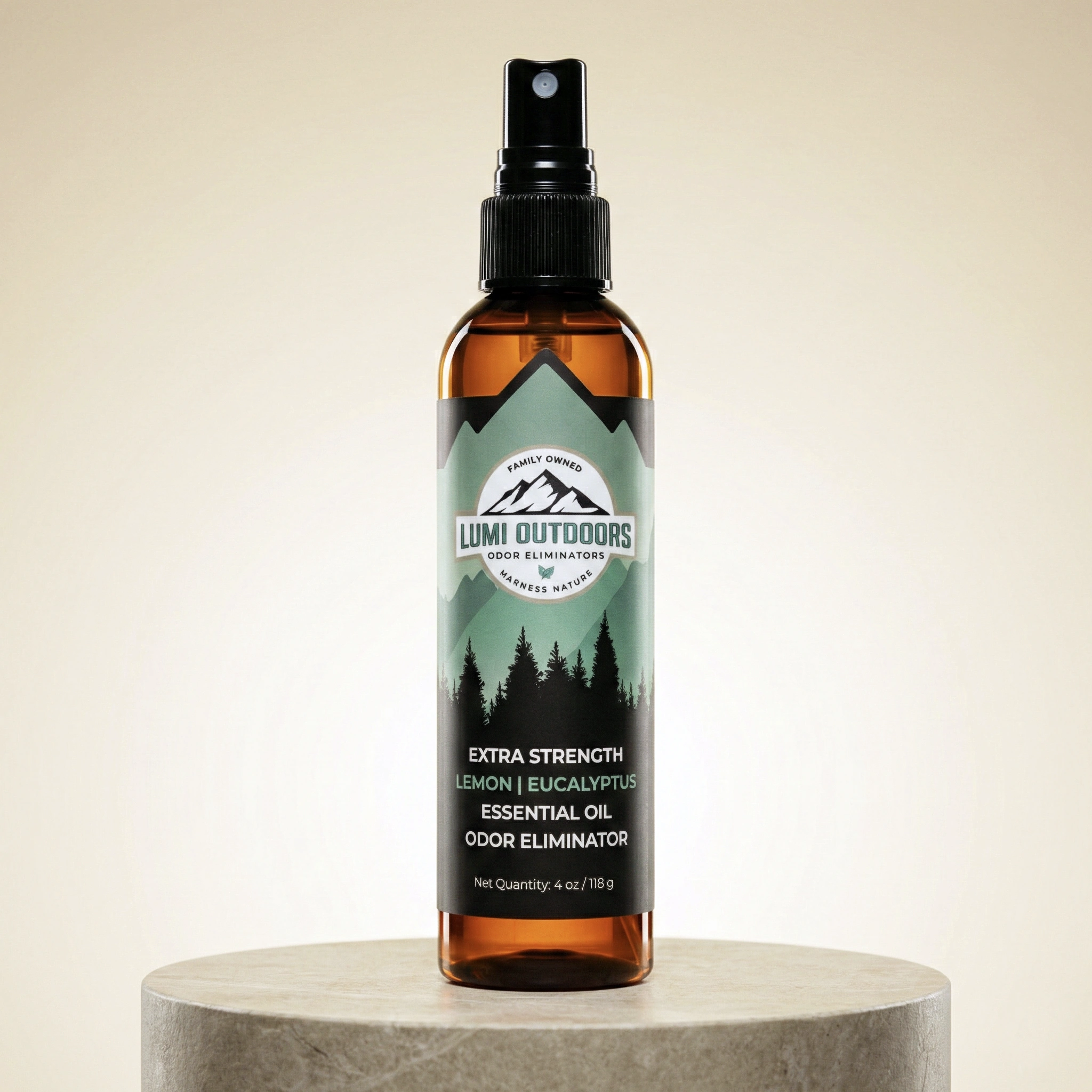
Join 1 Million+ Other People Who Chose Lumi to Conquer Their Shoe Odor.
- DESTROYS ODOR AT THE SOURCE, DOESN'T JUST MASK IT
- ALL-NATURAL & PLANT-BASED INGREDIENTS
- PROUDLY FAMILY-OWNED & MADE IN UTAH
- THE "FRESH CONFIDENCE" GUARANTEE