

Stop Putting Them in the Wash: 5 Better Ways to Fix Smelly Running Shoes
- Skip the Machine High heat and agitation destroy the glue and foam that make sneakers comfortable and supportive.
- Moisture is the Enemy Newspaper and baking soda work by pulling liquid out of the shoe before smells can develop.
- Natural Beats Chemical Essential oils provide a safer and more effective way to neutralize odors than chemical aerosols.

Your washing machine is the fastest way to turn $150 running shoes into expensive rags. It's a tempting shortcut, isn't it? You come home from a humid morning run, your sneakers are damp, and the smell is already starting to drift through the house. Your first instinct is to toss them in with the towels and let the machine do the heavy lifting. But here’s the thing: that spinning drum is doing way more harm than good.
I’ve seen it happen dozens of times. A perfectly good pair of trainers comes out looking clean but feeling "dead." The cushioning is flat, the soles are starting to peel at the edges, and sometimes they even shrink just enough to cause blisters on your next outing. You don't have to sacrifice your shoes to get rid of that "locker room" aroma. There are better, safer ways to handle the funk without ruining the gear you rely on.
Why Shouldn't You Put Running Shoes in the Washing Machine?
Putting running shoes in the washing machine breaks down the specialized adhesives and foam cushioning, significantly shortening the lifespan of your footwear. The heat and agitation often cause the midsoles to lose their "bounce" and the outer materials to warp or shrink.
Running shoes are marvels of modern engineering. They use specific types of glue to hold the various layers together and high-tech foam to absorb the impact of every stride. When you submerge them in soapy water and spin them around, those glues start to dissolve. Even worse, if you use a warm cycle, the heat can permanently deform the plastic structures that provide support for your arches and heels.
And don't even get me started on the dryer. High heat is the absolute enemy of synthetic fabrics and rubber. If you’ve ever noticed your shoes feeling stiff or "crunchy" after a wash, that’s the material literally breaking down. It's better to treat the odor at the source rather than trying to drown it in a cycle of Tide.
If you want to stop the moisture before it starts, you need a heavy-duty absorber. This is the one we keep by the door:
What You'll Need
- Newspaper for stuffing
- Baking Soda for absorbing
- Extra Strength Shoe Deodorizer Spray Check Price →
- Soft Cloth for wiping mud
How Do You Use Baking Soda to Remove Shoe Odor?

To use baking soda effectively, sprinkle a generous tablespoon into each shoe, shake it around to cover the insole, and let it sit for at least 24 hours. The alkaline nature of the soda helps neutralize the acidic odors produced by sweat and skin oils.
Baking soda is the old-school hero of the pantry for a reason. It’s cheap, it’s everywhere, and it actually works—to an extent. You’ll want to make sure your shoes are relatively dry before you dump the powder in, though. If they’re soaking wet, the soda will just turn into a clumpy paste that’s a nightmare to clean out later. Use a soft cloth to wipe away any visible mud first.
While it’s a great first step, there’s a catch. Baking soda is great at absorbing some smells, but it doesn't always get everything. If you find yourself doing this every single night and still catching a whiff of something sour, you might be dealing with more than just a surface-level problem. Some people find that why baking soda alone is a terrible shoe deodorizer is because it leaves a messy residue and doesn't handle the deepest layers of the foam where the smell really lives.
Can Newspaper Really Pull Odor Out of Sneakers?
Stuffing shoes with crumpled newspaper is highly effective because the porous paper fibers wick away moisture and trap odors simultaneously. Replacing the paper every few hours for very wet shoes accelerates the drying process and prevents smell-causing growth.
This is my favorite "dad trick" for rainy days. If your kid comes home from soccer practice with shoes that look (and smell) like they’ve been in a swamp, reach for the recycling bin. Take several sheets of newspaper, crumple them into loose balls, and shove them all the way to the toe box. The paper acts like a giant sponge, drawing the liquid out of the fabric and the foam.
The key here is airflow. Don't shove the shoes in a dark closet while they have the paper in them. Leave them on the porch or near a window. Moisture is the root of all shoe evil. When shoes stay damp, they become a breeding ground for the things that cause bromodosis, the medical term for smelly feet. By drying them out quickly with newspaper, you’re stopping the problem before it gets embarrassing.
If your shoes are truly unbearable, try the 'Freezer Trick.' Place your dry shoes in a sealed bag and leave them in the freezer overnight. The extreme cold helps reset the environment inside the shoe, making your natural deodorizer spray much more effective the next morning.
What Are the Benefits of Sunlight and Air for Smelly Shoes?

Natural sunlight provides ultraviolet (UV) rays that help neutralize odor-causing agents on the surface of your shoes while fresh air circulation carries away trapped moisture. Placing shoes in a sunny, breezy spot for a few hours can significantly freshen them without chemicals.
Never underestimate the power of a breezy afternoon. Most of us keep our shoes in the darkest, least-ventilated parts of our homes—closets, mudrooms, or gym bags. That’s exactly where smells thrive. After a run, pull the insoles out (if they’re removable) and set everything out in the sun. The UV light is a natural way to clean up the surface of the shoe.
Just be careful not to leave them out for days on end. Too much direct sun can eventually fade the bright colors of your sneakers or make the plastic components brittle. Think of it like a "sun bath"—two or three hours is usually plenty to get the job done. If you're worried about them blowing away or getting separated, you can put each pair in a mesh laundry bag to keep them organized while they air out.
How Does a Natural Spray Compare to Heavy-Duty Cleaners?
Natural shoe sprays use plant-based essential oils like lemon, eucalyptus, and tea tree to neutralize odors at the source without the respiratory irritants found in traditional aerosol cans. These formulas are safer for direct skin contact and won't damage the technical fabrics of high-end running shoes.
I tested both side-by-side for a week. Here's what happened:
| Feature | Extra Strength Shoe Deodorizer Spray | Supermarket Aerosol Spray |
|---|---|---|
| Ingredient Base | Plant-based essential oils | Synthetic fragrances and butane |
| Scent Profile | Real Lemon & Eucalyptus | Heavy chemical 'floral' smell |
| Longevity | Eliminates source of odor | Temporary mask for smells |
Traditional aerosols often just mask the smell with a heavy, "fake" floral scent that eventually mixes with the shoe odor to create something even worse. You know that smell—it’s like a lavender-scented gym locker. It’s not pleasant. Natural sprays, like the Extra Strength Shoe Deodorizer Spray, actually work with the chemistry of the shoe to clear the air.
How Do You Prevent Shoe Odor Before It Starts?
Preventing shoe odor requires a two-pronged approach: keeping the feet dry with moisture-wicking socks or foot powder and ensuring shoes have at least 24 hours to dry between uses. Using a preventative powder can absorb sweat the moment it’s produced, stopping odors from setting into the fabric.
If you're an everyday runner, your shoes never really get a chance to "reset." They stay slightly damp from Monday’s run when you put them on Tuesday morning. That’s a recipe for disaster. This is where a Natural Foot Powder becomes your best friend. A little dusting on your feet before you slide your socks on can make a world of difference. It keeps your feet feeling dry and prevents that "swampy" feeling halfway through a long run.
It's also worth looking into why your feet might be reacting this way. Sometimes, it's not just the sweat; it's the environment. You can read more about why your feet smell like corn chips to understand the science behind it. Understanding the "why" makes the "how" much easier to manage.
"I used to have to leave my running shoes in the garage because they would stink up the whole mudroom. After using the Extra Strength spray for a week, I can actually keep them in the closet. My husband is much happier!"
— Sarah M., Verified Buyer
Is the natural route perfect? Mostly, but it does require consistency. Here's the honest breakdown:
- Saves money by extending shoe life
- No sticky or chalky residue left behind
- Actually neutralizes smells instead of masking them
- Needs a few hours to fully dry after spraying
- Natural scent is strong initially (but fades to clean)
At the end of the day, your running shoes are an investment in your health and your hobby. Taking an extra sixty seconds to spray them down or stuff them with paper is a small price to pay to keep them in peak condition. You'll save money by making your shoes last longer, and you'll definitely save your nose (and your family’s) from the dreaded post-run funk.
Tired of that lingering gym bag smell?
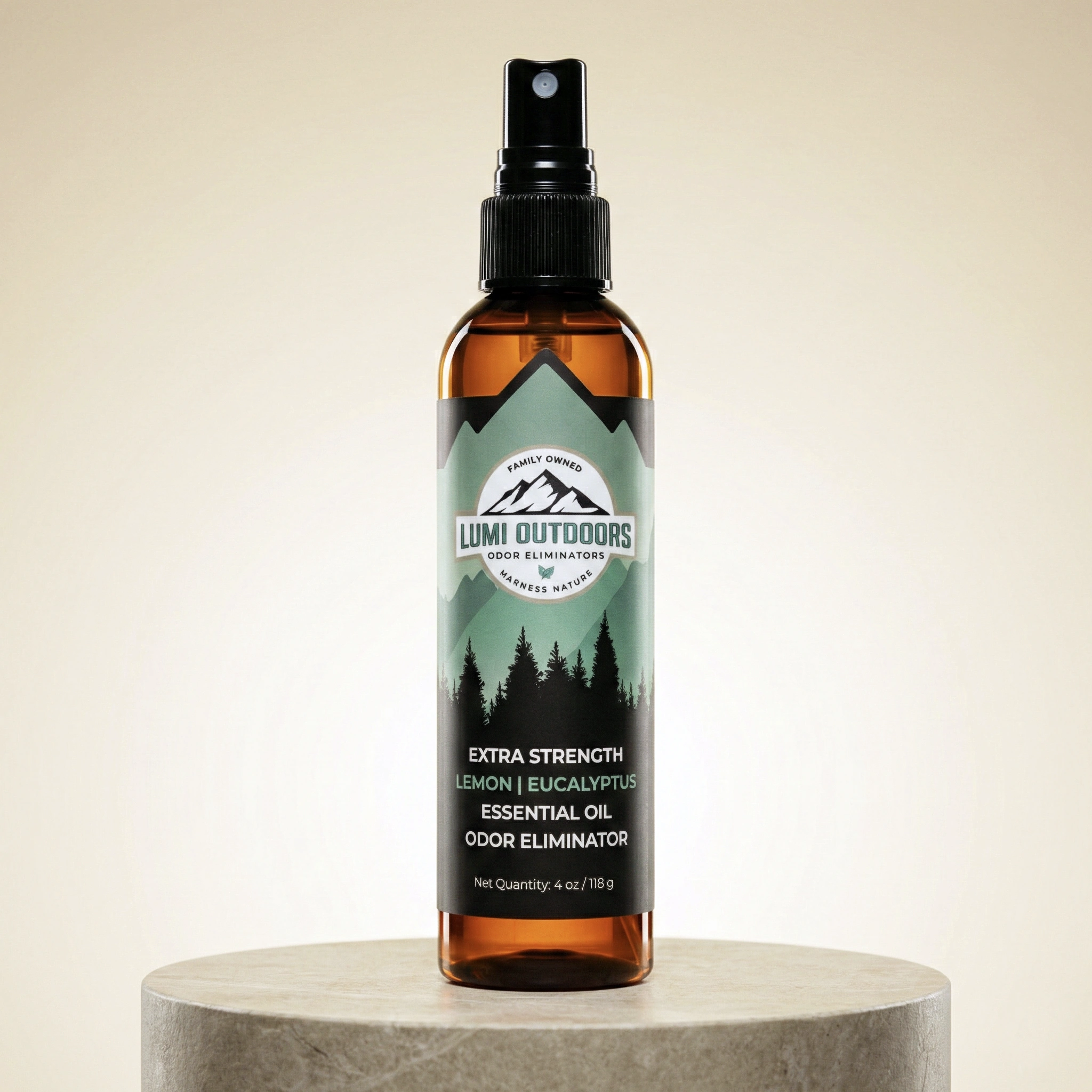
Join 1 Million+ Other People Who Chose Lumi to Conquer Their Shoe Odor.
- DESTROYS ODOR AT THE SOURCE, DOESN'T JUST MASK IT
- ALL-NATURAL & PLANT-BASED INGREDIENTS
- PROUDLY FAMILY-OWNED & MADE IN UTAH
- THE "FRESH CONFIDENCE" GUARANTEE