
Forget Baking Soda: 7 Things Smart People do to Prevent Shoe Smell Instead
- The 24-Hour Rule Giving shoes 24 hours to dry prevents the damp environment that fuels odor.
- Sock Choice Matters Wool and wicking fabrics move moisture away from the skin better than cotton.
- Neutralize, Don't Mask High-quality essential oils break down odor molecules rather than just hiding them.

We've all been there. You walk into the mudroom after your kid gets home from soccer practice, and it hits you—a wall of scent that smells like a mix of old gym lockers and swamp water. It’s enough to make you want to toss those expensive cleats right into the trash. For years, the go-to advice was to just dump a bunch of baking soda in there and hope for the best. But let’s be honest: that usually just leaves you with a chalky mess and shoes that still smell like a wet dog.
If you're tired of holding your breath every time you open the shoe closet, you aren't alone. Keeping footwear fresh isn't about masking the scent with heavy perfumes or messy powders that don't stay put. It's about a few smart habits that stop the funk before it even starts. Here’s what people who actually win the battle against shoe odor are doing differently.
Why Is Baking Soda Often the Wrong Choice for Smelly Shoes?
Baking soda can leave a messy residue and often fails to address the underlying moisture and biological causes of odor, making it a temporary fix rather than a real solution.
While baking soda is great for a fridge, it’s not always the best tool for your sneakers. It’s abrasive, which can wear down the inner lining of your shoes over time. Plus, if you don’t get every single grain out, it mixes with sweat to create a gritty paste. Talk about uncomfortable. Smart homeowners know that baking soda alone is a terrible shoe deodorizer because it doesn't solve the core issue: the damp environment where smells live.
Instead of relying on a pantry staple, look for products designed to neutralize odors naturally. You don't need a chemistry degree to fix this. You just need a formula that works with your shoes, not against them.
If you want to stop the moisture before it starts, you need a heavy-duty absorber. This is the one we keep by the door:
What You'll Need
- Newspaper for Stuffing
- Wool Socks
- Extra Strength Shoe Deodorizer Spray Check Price →
- Cedar Shoe Trees
How Does Rotating Footwear Help Keep Shoes Fresh?

Giving your shoes a full 24 hours to dry out between wears prevents the damp environment where odor-causing particles thrive.
This is the simplest trick in the book, but so many of us ignore it. When you wear the same pair of work boots or gym shoes every single day, they never get a chance to bone-dry. Sweat soaks deep into the foam and fabric. According to the National Institutes of Health, feet have more sweat glands per inch than almost anywhere else on the body. That moisture needs a way out.
Smart people keep at least two pairs of "daily" shoes and swap them every other day. If a pair is extra damp after a rainy walk or a heavy workout, you can speed things up by stuffing them with newspaper. The paper pulls the moisture out of the insoles much faster than air alone. It's a low-tech way to ensure you aren't stepping into a damp shoe the next morning.
To maximize your spray, pull the insoles out halfway before applying. This lets the mist reach the dark, cramped toe box where moisture and odor-causing particles concentrate most heavily.
Why Is Foot Powder Better Than Spraying Shoes Alone?
Foot powder stops odor at the source by absorbing sweat before it can soak into the shoe material, keeping your feet dry all day.
Think of foot powder as your first line of defense. Sprays are great for fixing a smell that's already there, but powder stops the smell from happening. By applying a natural, talc-free powder directly to your feet or inside your socks, you're creating a dry barrier. This is a huge deal for anyone in construction or healthcare who spends ten hours on their feet.
When you use something like the Natural Foot Powder and Extra Strength Shoe Deodorizer Spray, you're attacking the problem from two sides. The powder keeps things dry, and the spray handles whatever scent manages to sneak through. Learning how to use foot powder for shoes the right way can save you from having to buy new sneakers every three months.
I tested our natural approach against those big-brand aerosols you find at the grocery store. The difference isn't just in the smell—it's in the ingredients.
| Feature | Lumi Natural Sprays | Big-Brand Aerosol Sprays |
|---|---|---|
| Ingredient Source | 100% Plant-Based Oils | Synthetic Fragrances & Propellants |
| Odor Action | Neutralizes at the source | Masks with heavy perfume |
| Longevity | Concentrated & Long-lasting | Dissipates quickly |
Can Essential Oils Actually Eliminate Shoe Odors?
Natural essential oils like lemon, eucalyptus, and tea tree don't just hide smells; they neutralize the organic compounds that cause the stink.
We’ve all tried those floral sprays that just make the shoes smell like "lavender-scented gym socks." It’s gross. Smart people look for high-concentration essential oils. These plant-based ingredients are nature's way of cleaning up. Lemon and eucalyptus oils are particularly good at breaking down the oils and proteins that sweat leaves behind.
Plus, you aren't breathing in "fragrance," which is often just a fancy word for a bunch of chemicals. Using a spray like the Extra Strength Shoe Deodorizer Spray means you get a fresh scent that actually lasts because it’s dealing with the source of the problem, not just sitting on top of it.
What Role Do Sock Materials Play in Shoe Smell?

Natural fibers like wool or specialized moisture-wicking synthetics move sweat away from the skin, whereas cotton traps dampness and fuels odor.
If you're wearing 100% cotton socks and wondering why your boots smell, there's your answer. Cotton is like a sponge; it drinks up sweat and holds onto it right against your skin. This keeps the shoe interior damp for hours. Instead, look for wool socks. Merino wool is a superstar because it can hold a lot of moisture without feeling wet and naturally stays fresher longer than cotton.
Even in the summer, a light wool blend is better than cotton. If you're an athlete, look for synthetic "moisture-wicking" fabrics designed to push sweat to the outer layer of the sock so it can evaporate. It’s a small change that makes a massive difference in how your closet smells at the end of the week.
Why Should You Use Cedar Shoe Trees Regularly?
Cedar wood naturally draws out moisture and leaves a fresh scent, helping shoes maintain their shape and smell clean.
You might think cedar shoe trees are just for fancy dress shoes, but they're a secret weapon for sneakers and work boots too. Cedar is a porous wood that acts like a natural dehumidifier. When you slide them into your shoes after a long day, they soak up the lingering dampness that air-drying might miss.
They also prevent the "toe curl" that happens as shoes dry out and shrink slightly. It keeps your footwear looking newer for longer. Since they have a natural, pleasant woody scent, they act as a built-in air freshener that never runs out of batteries or needs a refill.
When Is It Time to Deep Clean Your Insoles?
You should clean your insoles once a month or whenever a noticeable scent remains after the shoe is dry, as they harbor the most sweat.
Most of the "stink" in a shoe isn't in the leather or the laces—it’s in the insole. That's the part your foot is squishing against all day. If your shoes still smell after you've dried them and sprayed them, it’s time to pull the insoles out. Many are machine washable, but you can also hand-wash them with a little bit of mild soap and let them air dry completely.
If they're really far gone, just replace them. A new pair of insoles is a lot cheaper than a new pair of $150 running shoes. It’s one of those maintenance tasks that takes five minutes but adds months to the life of your footwear.
Is the natural route perfect? No, it does require a bit more consistency than just spraying a chemical cloud and walking away. Here's the honest breakdown:
- Uses safe, plant-based ingredients.
- Works on the toughest athletic and work odors.
- Extends the life of expensive footwear.
- Refreshing, natural scent without chemical fumes.
- High-concentration formula lasts a long time.
- Requires daily consistency for the best results.
- Not a substitute for occasionally cleaning very dirty shoes.
At the end of the day, keeping your home smelling fresh and your gear in good shape doesn't have to be a full-time job. By swapping out those old cotton socks, giving your shoes a day off, and using a high-quality natural spray, you can stop the embarrassment of smelly feet for good. It's about working smarter, not harder, to keep your family's footwear ready for the next adventure.
Ready to eliminate shoe odor for good?
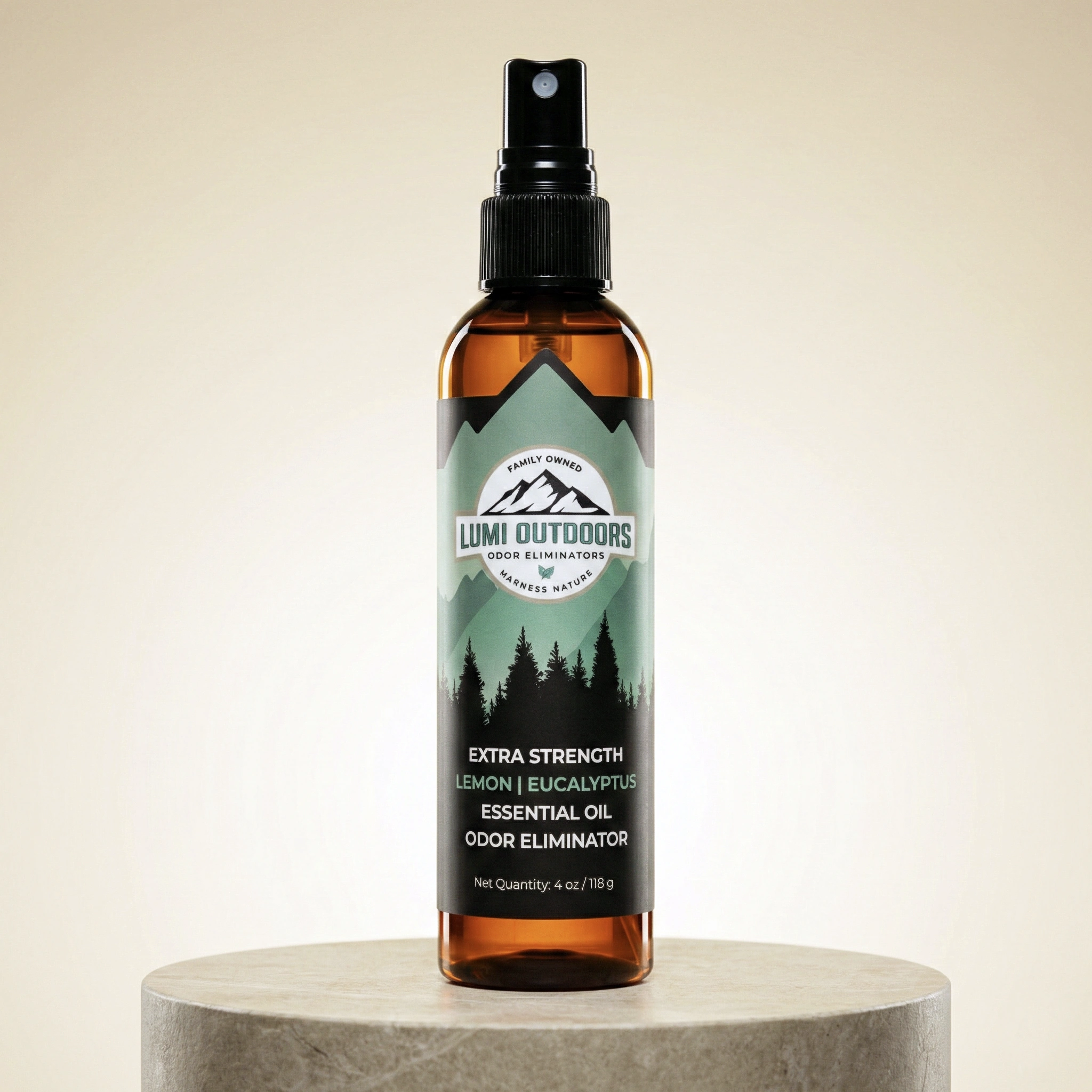
Join 1 Million+ Other People Who Chose Lumi to Conquer Their Shoe Odor.
- DESTROYS ODOR AT THE SOURCE, DOESN'T JUST MASK IT
- ALL-NATURAL & PLANT-BASED INGREDIENTS
- PROUDLY FAMILY-OWNED & MADE IN UTAH
- THE "FRESH CONFIDENCE" GUARANTEE