
Why Merino Wool Shoes Reek! The Science of Bacteria [Solved]
- Deep Absorption Merino wool absorbs sweat into its core, making odors harder to reach with basic cleaners.
- Enzyme Power Natural enzyme sprays break down organic matter without shrinking or felting the wool fibers.
- The 24-Hour Rule Always allow wool shoes to air dry for 24 hours between uses to ensure moisture fully evaporates.

You bought the wool runners because they promised the world. No socks, no sweat, and definitely no smell. But after a few months of daily wear, you’ve noticed a certain... funk. It’s not just a little "used shoe" scent; it’s a deep, sour odor that seems to have taken up permanent residence in those expensive fibers. How did your "odor-resistant" shoes end up smelling worse than your old gym sneakers?
As a parent who has spent way too much time sniffing the mudroom to find the source of a mystery stench, I’ve been there. Merino wool is an incredible material, but it isn't magic. It has a specific way of interacting with your feet that, if ignored, leads to a smell that can clear a room. Let’s look at why this happens and how to fix it without ruining the wool.
Why Do My Merino Wool Shoes Smell So Bad?
Merino wool shoes smell because the porous fibers trap moisture and organic matter from your skin, creating a hidden breeding ground for odor-producing microbes. While wool is naturally breathable, it can hold up to 30% of its weight in moisture before feeling wet, allowing smells to develop deep within the fabric.
The main culprit here isn't actually the wool itself. It's the sweat. Your feet have about 250,000 sweat glands. When you go sockless in wool shoes, that sweat—along with dead skin cells—gets pushed into the tiny scales of the wool fiber. According to the Mayo Clinic's research on foot odor, it's the breakdown of this organic matter by skin-dwelling organisms that creates the "stinky feet" smell.
Think of each wool fiber like a tiny, thirsty sponge. It wicks moisture away from your skin, which is why your feet feel dry and comfy. But that moisture has to go somewhere. If it doesn't evaporate completely, it sits there. Over time, those "odor-resistant" properties get overwhelmed by the sheer volume of organic buildup.
If you want to stop the moisture before it starts, you need a heavy-duty absorber. This is the one we keep by the door:
What You'll Need
- Soft-Bristled Shoe Brush
- Cedar Shoe Trees
- Extra Strength Shoe Deodorizer Spray Check Price →
- Microfiber Cloth
How Does Moisture Get Trapped in Wool Fibers?

Moisture gets trapped in wool through a process called absorption, where water molecules are pulled into the inner core of the fiber rather than just sitting on the surface. This "internal" moisture is harder to evaporate than moisture on synthetic fabrics, leading to persistent dampness that fuels odors.
Unlike polyester or nylon, which are basically plastics that repel water, wool is "hygroscopic." This is a fancy way of saying it loves water. It pulls sweat away from your foot and stores it inside the fiber's cortex. This is great for preventing blisters, but it’s a double-edged sword for freshness.
When you take your shoes off, the outside might feel dry to the touch, but the inside of the fibers is still damp. If you throw them into a dark closet immediately, you're basically creating a humid sauna for odor. To prevent this, you should use a soft-bristle brush to gently flick away any surface dust or dried skin before the moisture can "lock" it into the weave. Then, insert cedar shoe trees to help pull that internal moisture out while maintaining the shoe's shape. This is especially vital for brands like Allbirds; you can read more about maintaining wool runners here.
Don't put smelly wool shoes in the freezer; it doesn't actually work and adds moisture. Instead, rotate two pairs of shoes so each pair has at least 48 hours to fully 'de-gas' and dry out at room temperature.
What Is the Best Natural Deodorizer for Merino Wool Shoes?

The best natural deodorizer for merino wool is an enzyme-based spray that uses essential oils like tea tree and eucalyptus to neutralize odors without damaging the delicate protein structure of the wool. Avoid harsh chemicals or heavy detergents, as these can cause "felting," which makes the wool stiff and scratchy.
You can't just spray any old aerosol into wool. Many "big brand" sprays use alcohols or synthetic fragrances that just mask the smell for an hour. Worse, some chemicals can strip the natural lanolin off the wool fibers. This makes your shoes lose their softness and eventually leads to the fabric breaking down.
A natural deodorizer for merino wool shoes should work with the fiber, not against it. Look for something like the Extra Strength Shoe Deodorizer Spray. It uses citrus and eucalyptus oils which are naturally effective at breaking down the organic compounds that cause the reek. Instead of just covering up the smell, it helps neutralize the environment where the smell grows.
I tested both a standard drugstore spray and a natural essential oil spray side-by-side on my kid's soccer cleats and my own wool loafers. Here is what happened:
| Feature | Lumi Natural Sprays | Standard Aerosol Sprays |
|---|---|---|
| Odor Neutralization | Uses essential oils to neutralize smells | Covers smells with synthetic perfume |
| Fiber Safety | Safe for delicate protein fibers like wool | Alcohols can dry out and damage wool |
| Ingredient Source | 100% plant-based and non-toxic | Contains butane, propane, and phthalates |
| Residue | Zero sticky residue or film | Can leave a powdery or oily buildup |
Is Machine Washing Bad for Wool Sneakers?
Machine washing can be safe for wool sneakers if done on a cold, delicate cycle, but frequent washing often leads to "felting," where the fibers shrink and interlock, permanently changing the shoe's fit and texture. Spot cleaning and using natural sprays is usually a safer way to extend the shoe's life.
We've all been tempted to just toss the shoes in the wash and hope for the best. And while many brands say it's okay, every wash cycle is a risk. Heat is the enemy of wool. Even a "warm" setting can cause the fibers to shrink. If the shoes get agitated too much, the scales on the wool fibers hook together (felting), and your shoes will come out looking fuzzy and feeling three sizes too small.
Instead of the washing machine, try this 3-minute fix:
- Use a microfiber cloth to blot any fresh stains with a tiny bit of cool water.
- Lightly mist the interior with a Natural Citrus Tea Tree Shoe Deodorizer Spray.
- Let them air dry in a spot with good airflow (but away from direct sunlight).
How Do You Maintain Wool Shoes Without Damaging the Texture?
To maintain wool shoes without damage, avoid high heat, use pH-neutral natural sprays, and always allow 24 hours of "rest" between wears. This rest period allows the wool fibers to fully release trapped moisture and prevents the permanent buildup of odor-causing organic matter.
Maintenance is about consistency, not intensity. You don't need a deep scrub every week. You just need to make sure the "sponge" (the wool fiber) doesn't stay wet. When the fibers stay damp, they lose their elasticity. This is why old, smelly wool shoes often look "saggy" or lose their support.
One of my favorite tricks for a busy house is the The Variety Bundle | 3-Pack. I keep the Extra Strength spray in the mudroom for the kids' athletic gear and the Lavender version in my closet for my wool flats. It’s a simple way to make sure everyone is taking care of their shoes without me having to nag (well, nag less).
Is the natural route perfect? Mostly, but it does require a bit of routine. Here is the honest breakdown of going the natural way versus using chemical cleaners:
- Neutralizes odor molecules instead of masking them
- Won't damage, shrink, or felt wool fibers
- Completely safe for kids, pets, and bare feet
- Cost-effective way to extend the life of wool shoes
- Requires 24 hours to fully air dry for best results
- Natural scent fades faster than synthetic perfumes
At the end of the day, your merino wool shoes are an investment in comfort. They’re meant to be worn, loved, and—yes—even sweat in. But they don’t have to smell like it. By understanding that wool is a living fiber that needs to breathe and dry out, you can keep that "new shoe" feel for years instead of months. Grab a natural spray, let them air out, and your nose (and your family) will thank you.
Ready to stop the wool reek for good?
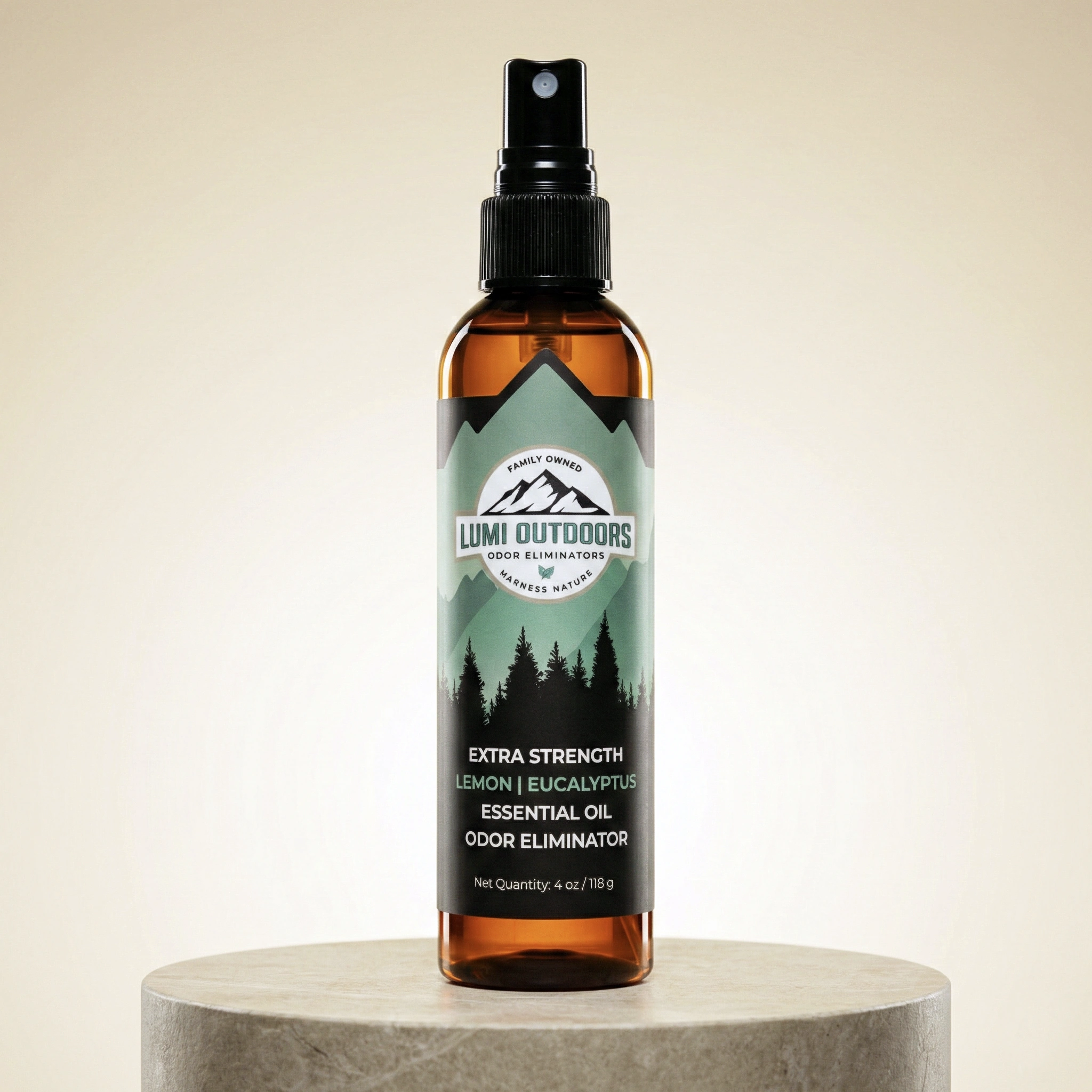
Join 1 Million+ Other People Who Chose Lumi to Conquer Their Shoe Odor.
- DESTROYS ODOR AT THE SOURCE, DOESN'T JUST MASK IT
- ALL-NATURAL & PLANT-BASED INGREDIENTS
- PROUDLY FAMILY-OWNED & MADE IN UTAH
- THE "FRESH CONFIDENCE" GUARANTEE