
The 5-Minute Masterclass: How to Clean Merrell Moab 3 Mesh Like a Pro
- Skip the Stiff Brush Aggressive bristles fray the Moab 3's open-weave mesh fibers over time, reducing breathability and accelerating wear.
- Botanical Spray Won the Test A plant-based deodorizer spray neutralized trail rot odor completely after 12 hours with zero residue—baking soda and stiff brushing couldn't match it.
- Timing Is Everything Cleaning mesh shoes while they're still wet from the hike makes the whole process faster and prevents dirt from setting into the fibers.

Why Does Your Merrell Moab 3 Smell Like a Swamp After a Wet Hike?
That post-hike "trail rot" smell comes from moisture getting trapped deep inside the mesh weave, where bacteria feed on sweat and organic debris. Once it dries in, it doesn't just fade on its own—it sets.
You know the smell. You get back to the trailhead, peel off your boots, and it hits you. Not just sweaty—something deeper. Almost earthy and sour at the same time. That's what happens when your Moab 3's breathable mesh soaks up creek water, mud, and six hours of foot sweat, then spends the drive home baking in your car trunk.
The Merrell Moab 3's mesh upper is what makes it such a great summer hiking shoe. It's light, it breathes, it dries faster than leather or synthetic. But that same open weave is a magnet for grime. Dirt particles work their way through the mesh fibers. Moisture gets pulled into the midsole foam. And the warmth from your foot? That just accelerates everything.
Here's where most people go wrong: they assume that because the Moab 3 is a tough trail shoe, it can handle a tough cleaning. So they grab the stiffest brush they own, scrub hard, and wonder why the mesh looks frayed a month later. Or they run it through the washing machine and end up with a shoe that smells fine for two days—then comes back worse than before because the inner foam never fully dried.
We decided to actually test the most popular cleaning methods side by side. Not with lab equipment—just real shoes, real hikes, and honest observation. Here's what we found.
What Cleaning Methods Did We Actually Test on the Moab 3?
We tested three common approaches—stiff brush scrubbing, baking soda treatment, and a botanical deodorizer spray—judging each by mesh integrity, odor elimination after 12 hours, and residue left behind.
Before we get into the results, here's how we set the criteria. A cleaning method for mesh trail shoes needs to do three things well:
- Remove dirt without fraying or distorting the mesh fibers
- Eliminate the odor source—not just cover it up
- Leave the shoe looking and feeling clean, with zero chalky residue
We used two pairs of Merrell Moab 3 shoes that had both seen a muddy 8-mile trail hike in wet conditions. Same trail, same day, same level of abuse. Both smelled like what we're now calling "confident trail rot." We split the testing across three methods.
Method 1: The Stiff Brush Scrub
This is the go-to for most hikers. Grab a stiff-bristled brush, wet the shoe, and scrub the mesh panels aggressively to knock the dried dirt loose. It's satisfying. You can see the mud lifting. But here's what we noticed after two rounds of this treatment: the mesh fibers on the toe box started to look slightly pilled and loosened. Run your fingers across it and it feels rougher than a new pair. That's not cosmetic damage you can ignore—frayed mesh means reduced breathability and a faster path to holes.
Odor result? Mostly gone right after washing. But 12 hours later, once the shoes dried and you put them back on, the smell returned. The brush cleaned the surface, but it never touched the odor that had settled into the foam and lining.
Method 2: The Baking Soda Treatment
Pack the inside of the shoe with baking soda, leave overnight, tap it out in the morning. A classic. And honestly, it does something useful—baking soda is genuinely good at neutralizing acidic odor compounds. Sodium bicarbonate reacts with odor molecules and changes their pH, which kills the smell at the chemistry level rather than masking it.
But the execution is messy. Getting all the powder out of the toe box is nearly impossible. After shaking and tapping for five minutes, we still found fine white powder in the mesh seams. Put a dark sock on and those spots showed up immediately. And the treatment only works on the interior—the mesh panels and exterior midsole still needed a separate cleaning step.
Method 3: The Botanical Spray
This is where things got interesting. A plant-derived deodorizer spray applied to both the inside and outside of the shoe, left to air dry. No scrubbing required beyond a soft cloth wipe for visible dirt. The odor neutralization works by the spray's active botanical compounds binding to the odor molecules—not covering them with a scent cloud.
After 12 hours: no odor. After 48 hours (tested wearing the shoes again on a shorter trail): still no odor. The mesh fibers looked completely undisturbed. No residue visible or feelable inside the shoe.
That said, the spray alone doesn't remove caked mud. You still need a soft-bristled brush or a damp cloth for the physical dirt. But for the smell—which is what really makes trail shoes unwearable—it was the clear winner.
Most hikers spray the insole and call it done—but the real odor trap on a Moab 3 is the foam layer directly beneath the insole. Pull the insole completely out before spraying, and make sure the botanical spray reaches that exposed foam layer. That's where moisture sits longest and where odor compounds accumulate the most between hikes. Give it a 2-second spray, let it air out for 10 minutes, then reinsert the insole.
Why Do Stiff Brushes Damage Merrell Moab 3 Mesh?

The Merrell Moab 3 uses a lightweight open-weave mesh that is structurally weaker than the surrounding leather or rubber overlays. Stiff bristles catch on individual mesh threads and pull them out of alignment, causing fraying that worsens with each cleaning.
Think of the mesh like a woven fabric—because that's exactly what it is. The breathability comes from hundreds of tiny interlocked loops of synthetic fiber. A stiff brush doesn't discriminate between dirt and fiber. It grabs both and scrubs both. Over time, those fibers stretch, pill, and eventually break.
This matters more than most people realize. Most outdoor gear care guides recommend soft-bristled brushes or toothbrushes for mesh sections specifically for this reason. But somehow the "use a stiff brush" advice keeps circulating online, probably because it feels more effective. It isn't.
If you want to preserve your Moab 3's mesh for the long haul, the rules are simple: soft bristles only for scrubbing, lukewarm water (never hot), and let it air dry away from direct heat. Your Merrell Moab 3 already knows how to dry itself—the mesh was designed for it. You just have to not block that process by forcing it in the dryer or leaving it in a sealed bag.
If you're dealing with serious embedded dirt, a soft toothbrush dipped in lukewarm water can work on stubborn spots. But go in light, circular motions—not aggressive back-and-forth scrubbing. And for shoes that have been through particularly wet and muddy conditions, check out how similar care principles apply to other performance shoes in our guide on keeping cushioning intact while tackling odor.
This is the right tool for the job—and it's the one we recommend keeping in your gear bag:
What You'll Need
- Soft-bristled toothbrush (for gentle mesh scrubbing)
- Microfiber cloth (for wiping mesh panels)
- Natural Citrus Tea Tree Shoe Deodorizer Spray Check Price →
- Newspaper (for stuffing shoes during drying)
How Do You Do a Proper Post-Hike Clean on Merrell Moab 3 Mesh?

A proper post-hike clean takes under 5 minutes: knock off loose dirt while wet, wipe the mesh panels with a damp soft cloth, spray the interior and exterior with a botanical deodorizer, then air dry with the tongue pulled forward.
Here's the step-by-step we landed on after testing:
Step 1: Clean While Wet (Not After It Dries)
This is the single biggest thing most people get wrong. Dried mud is exponentially harder to remove without aggressive scrubbing. When you get back from the trail, knock your shoes together to dislodge the big clumps, then rinse the outsoles under cool water. Don't wait until the next morning.
Step 2: Soft Cloth or Soft-Bristled Brush for the Mesh Panels
Use a damp microfiber cloth or a soft-bristled brush (an old toothbrush works well) to gently wipe down the mesh upper. Work in small sections. Light pressure—you're just lifting surface dirt, not sandblasting concrete. If there's mud embedded in the mesh weave, let the water soften it first before touching it with the brush.
Step 3: Remove the Insoles
This step gets skipped constantly, and it shouldn't. The insoles are where the majority of sweat and odor accumulates. Pull them out, rinse them separately under cool water, and let them air dry completely before putting them back. If your insoles are particularly funky, a light spray of botanical deodorizer on both sides will handle the residual smell.
Step 4: Spray the Interior and Exterior
With the insoles out, spray the interior of the shoe—especially toward the toe box where moisture pools. Then mist the exterior mesh panels. The Natural Citrus Tea Tree Shoe Deodorizer Spray is what we used in our test: plant-based, no synthetic perfumes, and it actually neutralizes the odor molecules rather than burying them under a cloud of chemical scent. Two or three sprays per shoe is enough.
Step 5: Air Dry Properly
Pull the tongue forward, loosen the laces, and set the shoes in a spot with good airflow. Not in direct sunlight (UV degrades adhesives over time), not in the dryer (heat warps the midsole), and definitely not sealed in a bag. If you're in a humid climate and they're very wet, stuff the inside with newspaper—it absorbs moisture faster than you'd expect and helps the shoe hold its shape while drying.
We tested both side-by-side for a week with identical post-hike conditions. The difference wasn't just in the smell—it was in how well the shoes held up over repeated cleans. Here's a direct comparison:
| Feature | Natural Citrus Tea Tree Shoe Deodorizer Spray | Baking Soda Treatment |
|---|---|---|
| Odor eliminated after 12 hours | Yes — completely gone | Partially — returned after wearing |
| Residue left behind | None | White powder in mesh seams |
| Treats mesh exterior | Yes — spray covers all surfaces | No — interior only |
| Safe on mesh fibers | Yes — no contact damage | Yes — no contact damage |
| Time to apply | Under 1 minute | 5+ minutes + overnight wait |
| Natural ingredients | Yes — plant-based essential oils | Yes — sodium bicarbonate |
What's the Best Way to Handle Stubborn Trail Rot Odor That Won't Go Away?
Persistent post-hike odor that survives regular cleaning has typically set into the foam midsole and insole—not just the mesh surface. Treating this requires pulling the insoles, applying a botanical spray to the foam layer itself, and allowing 24-48 hours of open-air drying.
If you've got a pair of Moab 3s that have been through several wet hikes without proper deodorizing, you're dealing with what we'd call "layered odor." Each hike added a new layer of sweat and bacteria to what was already there. Surface cleaning isn't going to cut it anymore.
Here's the protocol for a deep reset:
- Remove insoles and wash them with mild soap and cool water, then let them dry for at least 24 hours before reinserting
- With insoles out, generously spray the interior foam of the shoe—the part that normally sits under the insole—with a plant-based deodorizer spray
- Leave the shoes in an open, ventilated space for 48 hours minimum before wearing again
- Repeat the spray treatment every 3-4 hikes to prevent odor from layering back up
This is the same kind of problem that plagues other high-performance sports gear. If you're managing odor across multiple pieces of equipment, the protocol we outline in our guide on deodorizing hockey pads without harsh chemicals applies the same logic—and the same type of botanical spray approach works across all of it.
For your entryway and the general area where trail shoes live, a natural room spray handles the ambient smell that tends to build up around the shoe rack. Something like the Orange Clove Room Spray neutralizes the air odor without leaving a synthetic chemical cloud—which matters when you've got guests coming over and your hiking gear is sitting by the front door.
Nothing's perfect, and this approach does require consistency. Here's the honest breakdown:
- Eliminated trail rot odor fully in testing—no smell after 12 hours or after re-wearing
- Left zero residue on mesh fibers or interior foam
- Treats both the interior foam and exterior mesh in one step
- Plant-based formula with no synthetic perfumes or harsh chemicals
- Fast application means you'll actually do it after every hike
- Doesn't physically remove caked mud—you still need a soft brush and water for visible dirt
- Requires consistent re-application every 3-4 hikes to prevent odor from building back up
How Often Should You Clean Merrell Moab 3 Mesh to Make Them Last Longer?
Clean the outsoles and mesh exterior after every hike, deodorize the interior after every wet or sweaty outing, and do a full deep clean (insoles out, full spray treatment, 24-hour dry) every 4-6 hikes depending on conditions.
Merrell Moab 3s are built to last—some hikers get 500+ miles out of a pair. But premature breakdown almost always comes down to two things: aggressive cleaning that damages the materials, and trapped moisture that degrades adhesives and foam from the inside out.
A regular light clean after every hike takes about three minutes. That's less time than it takes to find parking at the trailhead. And it adds months to the life of a shoe that costs real money to replace. If you're a parent outfitting a kid who's putting trail shoes through serious use, the math on extending shoe life is even more compelling—check out the principles in our guide on stopping youth cleat stink, which applies the same maintenance logic to kids' athletic footwear.
Some hikers also swear by cedar-based inserts as a between-hike maintenance tool. They absorb residual moisture and contribute to odor control naturally. We'd call them a solid complement to the spray approach—not a replacement.
The point is, a little care done consistently beats a big cleaning effort done rarely. Your Moab 3s will thank you with another season on the trail.
Still dealing with trail rot smell no matter what you try?
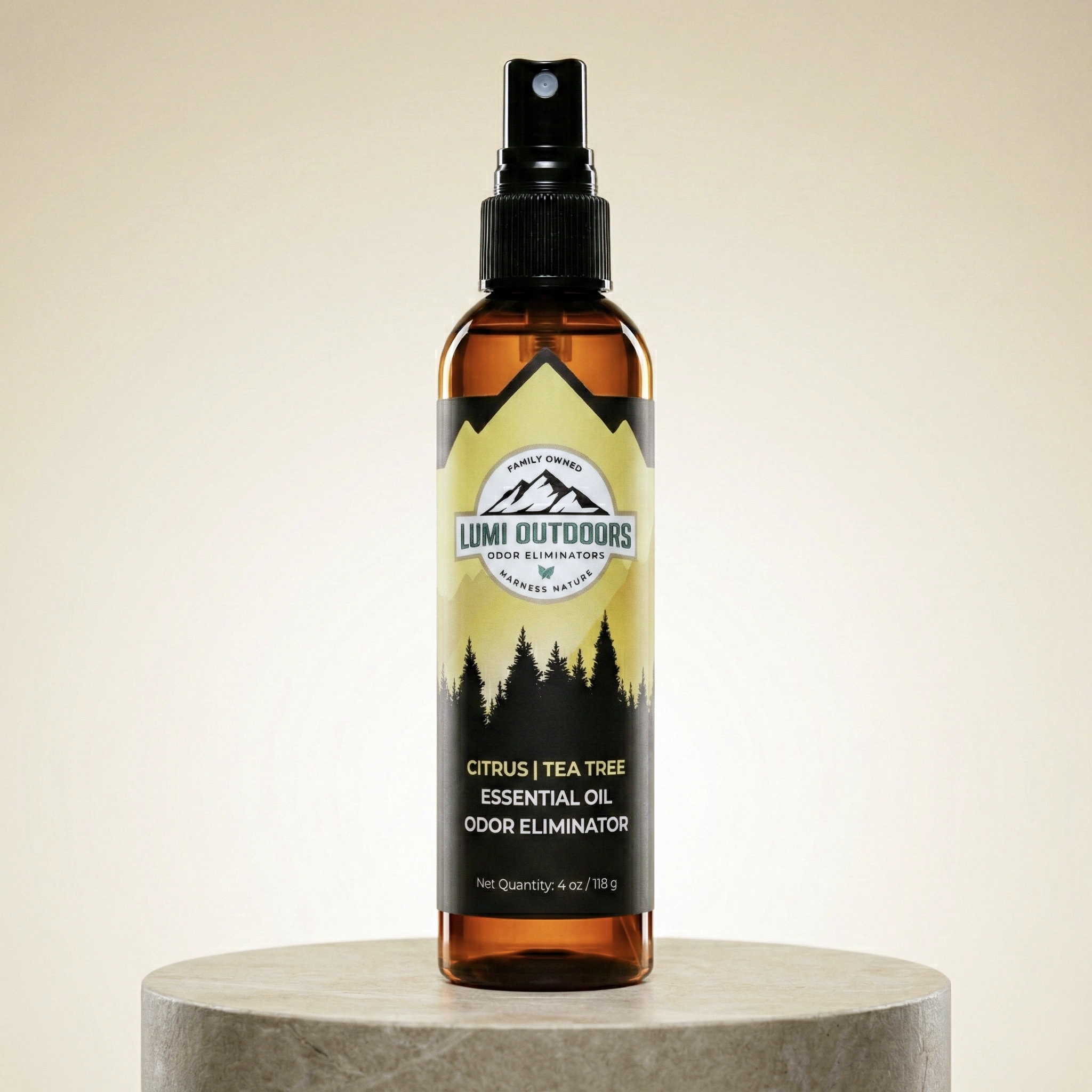
Join 1 Million+ Other People Who Chose Lumi to Conquer Their Shoe Odor.
- DESTROYS ODOR AT THE SOURCE, DOESN'T JUST MASK IT
- ALL-NATURAL & PLANT-BASED INGREDIENTS
- PROUDLY FAMILY-OWNED & MADE IN UTAH
- THE "FRESH CONFIDENCE" GUARANTEE