

Stop! How to Wash Hardened Concrete Off Boots Safely [Tested]
- Skip the Machine The abrasive sediment and heavy weight of concrete-caked boots will damage the drum and clog your home plumbing.
- Manual is Best Use plastic scrapers and lukewarm water to remove debris without scratching the leather or compromising the safety toe.
- Act Fast Cement is highly alkaline and dries out leather, so you must clean and deodorize immediately to prevent cracking and odors.

You just finished a long day on the job site. You're tired, your back hurts, and you look down to see your expensive composite toe boots are caked in grey sludge. It's tempting to just kick them off in the mudroom and deal with it tomorrow. But here's the thing: once that concrete sets, it's not just a stain. It’s a chemical reaction that starts eating away at your leather and stiffening your boots into cement blocks.
If you're thinking about just tossing them in the washing machine to save time, please stop right there. I've seen enough ruined appliances and "dead" boots to know that's a recipe for a very expensive mistake. We need to get that grit off without destroying the integrity of your footwear or your home plumbing.
Can You Wash Composite Toe Boots After a Concrete Pour in the Machine?
No, you should never put concrete-covered boots in a washing machine because the heavy sediment can destroy the drum, clog the drainage system, and the tumbling action will crack the stiffening concrete into the leather fibers. Hand cleaning is the only way to preserve the boot's safety rating and structural integrity.
Think about what concrete actually is. It’s basically liquid stone. When those tiny particles get inside your washing machine, they act like industrial-grade sandpaper. They'll scratch the finish on your drum and, even worse, settle in the pipes. Once that stuff hardens in your plumbing, you aren't looking at a simple cleaning job—you’re looking at a call to a plumber that’ll cost more than five pairs of new boots.
Plus, the "safety" in composite toe boots comes from the specific layering of materials. Soaking them in a high-heat wash cycle can warp those layers. It’s just not worth the risk. If you've ever read about why washing leather is a bad idea, you'll know that moisture control is everything for longevity.
What Tools Do You Need to Remove Hardened Concrete from Boots?

To safely remove hardened concrete, you need a plastic putty knife for scraping, a stiff-bristled brush for the crevices, and a large bucket of lukewarm water for rinsing. Avoid metal tools as they can gouge the leather and compromise the waterproof coating.
You don't need a fancy kit, but you do need the right basics. Grab a plastic putty knife from the garage. It’s firm enough to pop off the big chunks but flexible enough that it won't slice into the leather like a metal one would. You’ll also want a stiff-bristled brush—an old dish brush or a dedicated shoe brush works great for getting into the seams around the sole.
Finally, keep a large bucket of water handy. Don't do this over the sink. You want a bucket so you can dump the sediment-heavy water outside in the yard where it won't hurt anything. If you want to stop the moisture-induced odors before they start, you need a heavy-duty absorber. This is the one we keep by the door:
What You'll Need
- Plastic Putty Knife
- Stiff-Bristled Brush
- Extra Strength Shoe Deodorizer Spray Check Price →
- Large Bucket of Water
How Do You Remove Wet Concrete Without Damaging the Leather?
The best way to remove wet concrete is to hose the boots down immediately with low-pressure water and use a soft sponge to wipe away the residue. Do not let the water sit on the leather for too long, and avoid using high-pressure settings that can force grit deeper into the pores.
Time is your best friend here. If the concrete is still wet, you're in luck. The alkalinity in Portland cement is actually quite harsh on organic materials like leather. It sucks the natural oils right out, leaving the boots brittle.
Rinse them off outside with a garden hose. Use a gentle stream—not the "jet" setting. You want to float the concrete off the surface, not power-wash it into the grain. Once the visible grey is gone, wipe them down with a damp cloth. But here is the catch: now your boots are soaking wet. If you let them air dry without help, they'll start to smell like a swamp by morning. This is why many people prefer simple deodorizing steps that don't involve a full soak.
Use a dull plastic scraper instead of metal. Metal can gouge the leather or nick the composite toe cap, creating weak spots that let moisture in later. If the concrete is really stuck, a small amount of vegetable oil can help lubricate the bond between the leather and the dried cement.
What Is the Best Way to Clean Dried Concrete from Composite Toe Boots?

Remove dried concrete by gently tapping the boots together to loosen large pieces, then use a plastic scraper to pop off the remaining chunks. Finish by scrubbing the area with a damp, stiff brush and a pH-neutral soap to neutralize any remaining cement dust.
If you missed the "wet" window and woke up to find your boots looking like a statue, don't panic. Start by clapping the soles together. A lot of the dried concrete on the rubber will just shatter and fall off. For the leather parts, take your plastic putty knife and slide it under the edge of the concrete "scabs." They usually pop right off if the leather was oiled recently.
After the big pieces are gone, you'll see a grey haze. That's the fine dust. Use your stiff brush and a little water to work that out of the stitching. If you leave that dust there, it acts like tiny shards of glass, slowly cutting the threads every time you take a step. Scrub it until the water runs clear.
We compared our natural spray against the big-brand aerosols that people usually grab after a messy job. The difference isn't just in the smell—it's in the chemistry.
| Feature | Extra Strength Shoe Deodorizer Spray | Big-Brand Aerosol Sprays |
|---|---|---|
| Ingredient Base | Essential Oils & Natural Enzymes | Synthetic Fragrances & Alcohol |
| Odor Action | Neutralizes molecules at the source | Masks smells with heavy perfume |
| Safety Profile | Family-safe and non-toxic | Contains butane/propane propellants |
| Long-term Effect | Conditions and freshens gear | Can dry out leather and fabrics |
How Do You Stop Boots from Smelling After Working in Concrete?
To prevent odor after cleaning, stuff the boots with paper towels to absorb internal moisture and apply a high-strength deodorizer spray once they are dry. Always dry boots away from direct heat sources like radiators to prevent the leather from cracking.
Concrete work is sweaty work. Between the alkaline dust outside and the sweat inside, your boots are a prime target for that "locker room" funk. Once you've cleaned the outside, the real battle is the inside. The composite toe cap creates a little oven for your toes, trapping heat and moisture.
I always recommend using Natural Foot Powder as a preventative measure. It keeps your feet dry while you're actually in the pour. But if the damage is already done and the smell is setting in, you need something that actually neutralizes the scent rather than just masking it with a "fake flower" smell.
Is the natural route perfect? Mostly, but it does require you to be consistent with it. You can't just spray once a year and expect miracles. Here's the honest breakdown:
- Uses high-concentration essential oils for real odor elimination.
- Safe for all boot materials, including leather and composite.
- No harsh chemicals or synthetic propellants near your skin.
- Proudly made in the USA with natural ingredients.
- Requires regular application for the best results in extreme conditions.
Maintaining work boots isn't just about looks—it's about making sure that $150 investment lasts you two years instead of six months. Concrete is one of the toughest things a boot can face, but with a little patience and the right natural cleaners, you can keep them in the rotation for a long time. Grab a bottle of Extra Strength Shoe Deodorizer Spray to keep in your locker or truck; your family (and your nose) will thank you when you get home.
Tired of that "Work Boot Funk" in your mudroom?
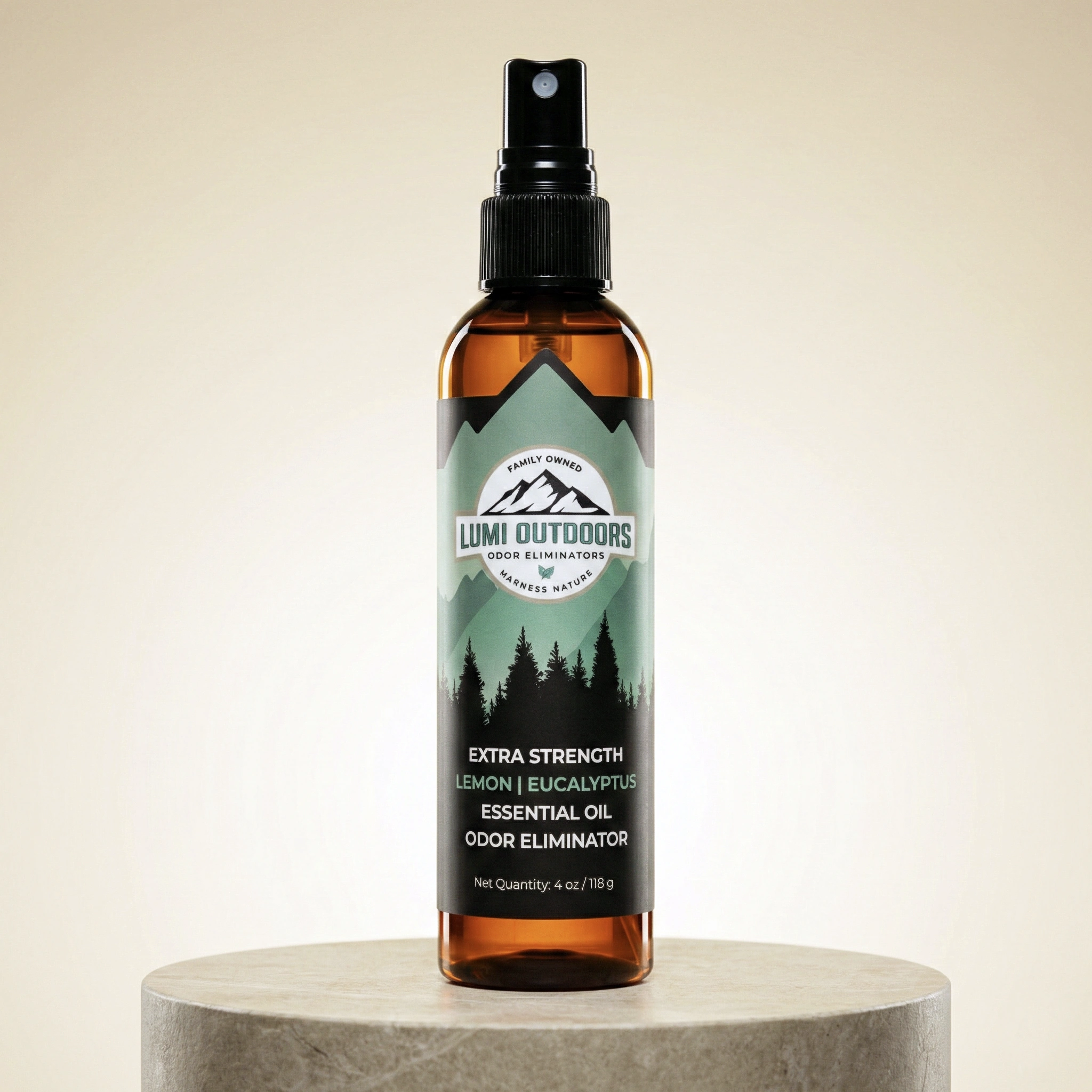
Join 1 Million+ Other People Who Chose Lumi to Conquer Their Shoe Odor.
- DESTROYS ODOR AT THE SOURCE, DOESN'T JUST MASK IT
- ALL-NATURAL & PLANT-BASED INGREDIENTS
- PROUDLY FAMILY-OWNED & MADE IN UTAH
- THE "FRESH CONFIDENCE" GUARANTEE