

Why Water Makes It Worse: 5 Easy Ways to Fix Stinky Rugby Cleats Instead
- Water is the Enemy Washing machines trap moisture in padding which actually feeds the odor instead of removing it.
- Dry First, Fix Later Newspaper and airflow are your best tools for removing the dampness that causes the stink.
- Nature Over Chemicals Natural essential oils neutralize odor molecules permanently rather than just covering them up.

If you've ever opened your kid’s rugby bag after a rainy Saturday morning match, you know that smell. It’s not just "gym" smell; it’s a thick, heavy scent that seems to have its own zip code. Your first instinct is probably to throw those muddy cleats straight into the washing machine. Stop right there. I’ve made that mistake, and trust me, it’s the fastest way to ruin expensive footwear and make the stench even more permanent.
Rugby cleats are built to be tough, but they aren't fans of a deep-sea dive. When you soak them in water, the thick interior padding acts like a sponge. Unless you have a professional-grade drying system, that moisture sits deep inside the foam for days. This creates a perfect, dark, damp playground for the very things that cause that eye-watering odor. Instead of a clean shoe, you end up with a soggy, structurally compromised cleat that smells like a swamp.
So, how do we fix this without destroying the cleats? We have to get smart about moisture and pH levels. Here are five ways to get those shoes back to baseline without a single trip to the laundry room.
Why Does Water Often Make Rugby Cleats Smell Worse?
Water trapped in the dense foam padding of rugby cleats provides the perfect environment for odor-causing organisms to thrive. Without rapid drying, the moisture remains deep in the shoe, leading to a persistent, musty smell that is harder to remove than the original odor.
Think of your cleats like a high-tech sandwich. You’ve got the outer synthetic or leather shell, the structural mid-sole, and the inner cushioning. When these layers get saturated, air can't circulate. I once tried to "wash" my son's cleats in the sink, and three days later, they were still damp. By the time they finally dried, they smelled like a wet dog that had been sitting in a hot car. It was a total disaster.
The goal isn't just to cover the smell, but to remove the moisture that allows the smell to exist. If you want to stop the moisture before it starts, you need a heavy-duty absorber. You don't need a chemistry degree to fix this. You just need a reliable formula that works while you sleep.
What You'll Need
- Old Newspaper
- Soft-Bristled Shoe Brush
- Extra Strength Shoe Deodorizer Spray Check Price →
- Microfiber Towel
What Is the Best Way to Dry Rugby Cleats Quickly?

The most effective way to dry rugby cleats is to remove the insoles, stuff the shoes tightly with plain newspaper, and place them near a fan or in a well-ventilated area. The newspaper draws moisture out of the interior padding, while the airflow prevents stagnant air from sitting inside the toe box.
Here is a trick I learned after years of sideline duty: keep a stack of old newspapers in the garage. As soon as the cleats come off, pull out the insoles—this is a non-negotiable step. Then, ball up the newspaper and cram it all the way into the toes. The paper acts as a wick, pulling the dampness out of the fabric and into the paper. Check them after two hours; if the paper is soaked, swap it for fresh dry sheets.
While you're at it, use a soft-bristled shoe brush to knock off the dried mud from the studs and the upper. This isn't just about looks. Dried mud can trap moisture against the synthetic material, preventing the shoe from "breathing." Once the mud is gone, use a microfiber towel to wipe down the exterior. These small steps ensure that the moisture is exiting the shoe from every possible angle, not just the ankle opening. It's a similar process to cleaning Hey Dudes without a washing machine, where keeping the structure dry is the top priority.
Don't fall for the 'freezer hack.' Freezing cleats only makes odor-causing organisms go dormant; they wake up and smell just as bad the moment they warm up on your feet. Stick to UV light and essential oils.
Can Baking Soda Truly Neutralize Cleat Odor?
Baking soda works by neutralizing the acidic molecules that make up most foot odors, effectively balancing the pH level inside the shoe. While it doesn't dry shoes as fast as newspaper, its chemical properties make it an excellent overnight treatment for lingering smells.
We’ve all seen the advice to just "sprinkle some baking soda in there." It works, but it can be a mess. My favorite way to do this without getting white powder all over the house is to fill two old socks with baking soda, tie them off, and slide them into the cleats overnight. This way, you get the pH-balancing benefits without having to shake out the shoes the next morning. It’s a classic household hack for a reason—it’s cheap and effective.
However, if you're dealing with "teenager-level" smells, baking soda might meet its match. Sometimes the odor is so embedded in the synthetic fibers that you need something with more "oomph." We compared our natural spray against the big-brand aerosols. The difference isn't just in the smell—it's in the chemistry.
| Feature | Lumi Extra Strength Spray | Big-Brand Aerosols |
|---|---|---|
| Ingredient Base | Essential Oils & Enzymes | Butane & Synthetic Fragrance |
| Odor Strategy | Neutralizes at source | Heavy masking perfume |
| Skin Safety | Plant-based & Gentle | Can cause irritation |
| Application | Non-aerosol mist | Chemical cloud/fumes |
How Do Essential Oils Help With Tough Shoe Smells?
Essential oils like lemon, eucalyptus, and peppermint contain natural compounds that neutralize odor molecules rather than just masking them with perfume. These plant-derived oils penetrate the shoe's fabric and provide a long-lasting freshness that synthetic air fresheners cannot replicate.
When you use a standard grocery store spray, you're usually just spraying a "fragrance" over the stink. It’s like putting a tuxedo on a goat; it’s still a goat. Using a high-quality product like Extra Strength Shoe Deodorizer Spray is different because the essential oils actually interact with the odor-causing substances.
I also love using these natural scents around the house. If the rugby bag itself has started to smell like the cleats, a quick spritz of Lavender Vanilla Room Spray can save the mudroom from being a "no-go zone." It makes the house smell like a home again, not a locker room. It’s the same logic we use when we try to keep Hoka foam fresh—you want something that works with the material, not against it.
What Is the Best Way to Prevent Future Odor?

The key to preventing cleat odor is a "dry-first" policy: never leave damp cleats in a gym bag and always allow them to air out in a sunlit or breezy spot immediately after use. Consistent use of a natural deodorizer spray after every session prevents odors from building up in the first place.
The "bag" is the enemy. When cleats sit in a zippered bag, they are basically in an incubator. Make it a rule: as soon as the car hits the driveway, the cleats come out of the bag. If the sun is out, let them sit on the porch for an hour. The ultraviolet rays from the sun are one of nature's best ways to keep things fresh, though you shouldn't leave them out all day as the heat can sometimes weaken the glue on the soles.
Is the natural route perfect? Mostly, but it does require consistency. You can't spray once every three months and expect miracles. Here is the honest breakdown of what to expect:
- Saves money by extending cleat lifespan
- Safe for kids and pets with no harsh fumes
- Neutralizes even the most stubborn 'swamp' smells
- Works overnight with zero scrubbing required
- Requires consistent use after matches for best results
- Does not replace the need for physical drying of wet shoes
At the end of the day, rugby is a tough, messy sport, and the gear reflects that. You don't have to choose between a clean-smelling home and your kid’s favorite sport. By ditching the washing machine and sticking to a routine of drying, brushing, and using plant-based deodorizers, you’ll extend the life of those expensive cleats and keep your hallway smelling like a normal human dwelling again. It’s about working smarter, not harder—and definitely not wetter.
Ready to banish the locker room smell from your hallway?
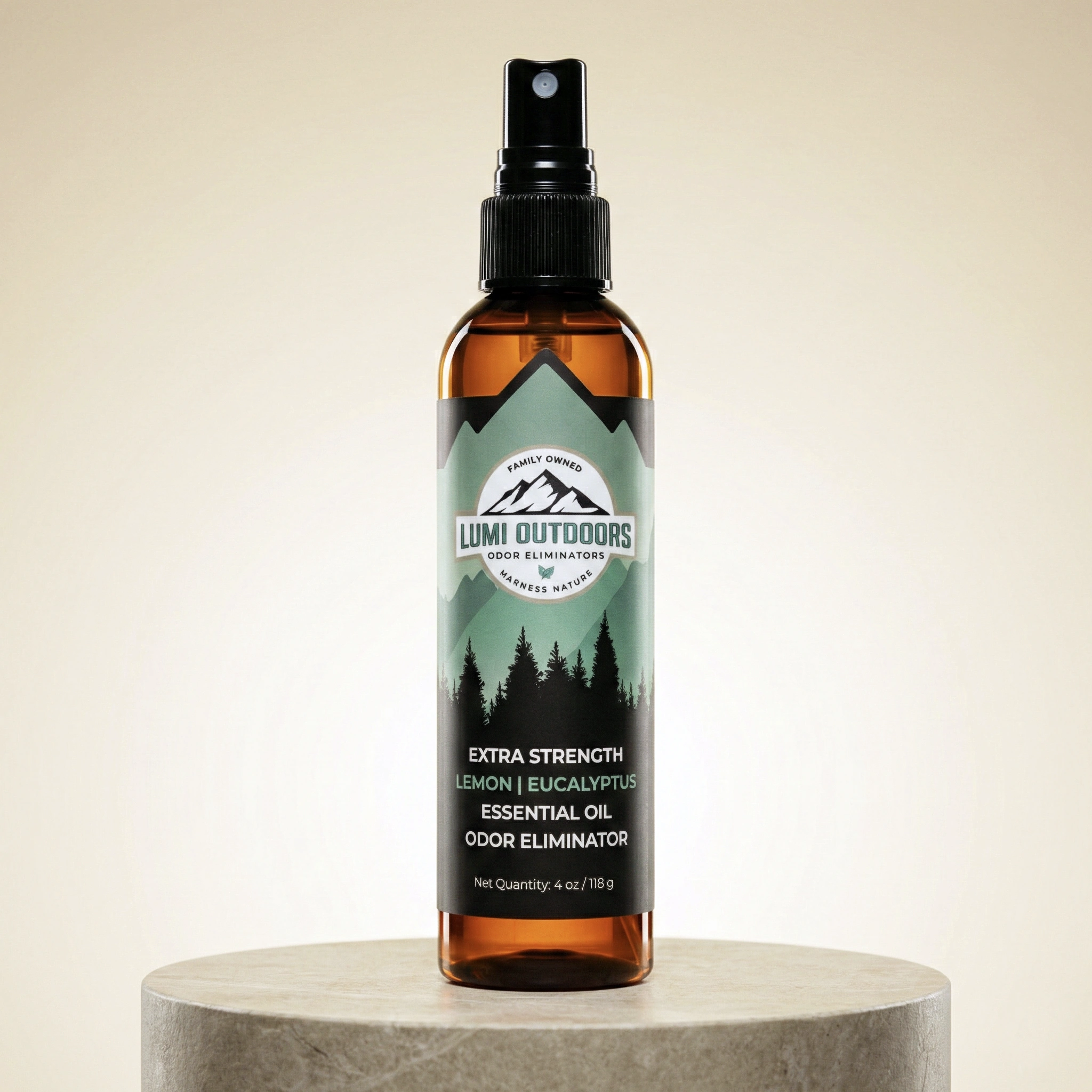
Join 1 Million+ Other People Who Chose Lumi to Conquer Their Shoe Odor.
- DESTROYS ODOR AT THE SOURCE, DOESN'T JUST MASK IT
- ALL-NATURAL & PLANT-BASED INGREDIENTS
- PROUDLY FAMILY-OWNED & MADE IN UTAH
- THE "FRESH CONFIDENCE" GUARANTEE